Fixing Those Annoying Cold Spots in Glass Annealing
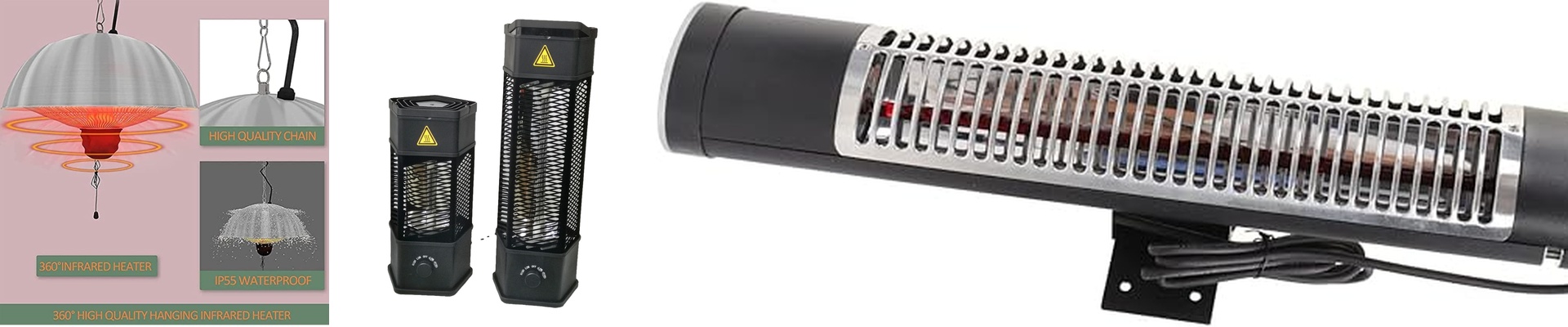
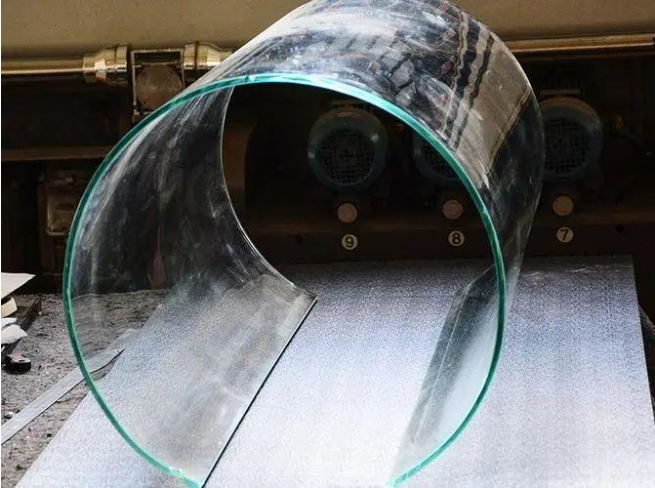
If you’ve ever worked with glassware that has a weird shape—maybe a really tight neck or a wide, flared base—you know the struggle. You put it in a standard kiln, but the heat just doesn’t reach everywhere. You end up with these “dead zones” where the glass stays too cool, and that’s usually where the cracks start. Standard convection heating just can’t get into those tight spots. It’s like trying to blow air into a narrow bottle; it just doesn’t penetrate. That’s why we use short-wave infrared (SWIR) heating tubes. Instead of just warming the air around the glass, SWIR actually sinks deep into the material. It’s faster and much more precise. You can hit the exact spot that needs heat without accidentally melting the rest of the piece. The secret is in the wavelength. These tubes run at higher temperatures, pushing out radiation in that 0.76 to 2.5 $\mu$m range. Glass just loves this wavelength—it absorbs it way more efficiently. When you set up a system like this, you aren’t just heating the surface. You’re driving energy right into the core. This helps the thick base and the thin walls cool down at the same pace, which is the only way to stop those dreaded stress fractures. Getting the layout right One heat source isn’t going to cut it. To really kill off those dead zones, we array multiple quartz tubes in a staggered or circular pattern. This creates a sort of “heat blanket” where the radiation fields overlap. The distance between the tube and the glass is your main lever here. Move them closer, and you get more intensity. But be careful. These tubes pack a massive punch in a tiny space. If you crowd them too much, you’ll end up with hot spots that can ruin the glass. You’ll want a control system that pulses the power to keep everything steady. The reality of the hardware Here’s the catch: quartz envelopes are great for heat, but they’re fragile. In a loud, vibrating factory full of dust, they can snap if you aren’t careful. I always suggest using shielded mounts. It’s a small detail, but it saves you from a lot of headaches. One last thing—high-intensity SWIR puts off a lot of waste heat. If your cooling fans aren’t up to the task, the ambient temperature in the kiln will climb until you start frying your own wiring. Make sure your cooling specs are beefy enough to handle the load.