
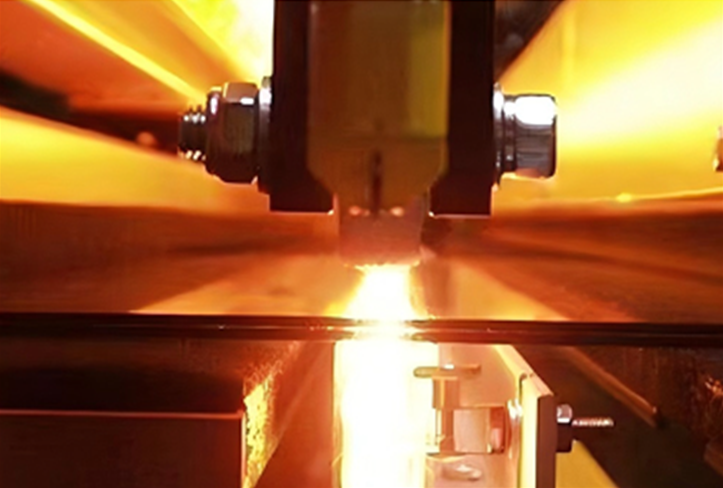
Why Fast-Response IR Lamps are the Secret to Smooth Glass Annealing
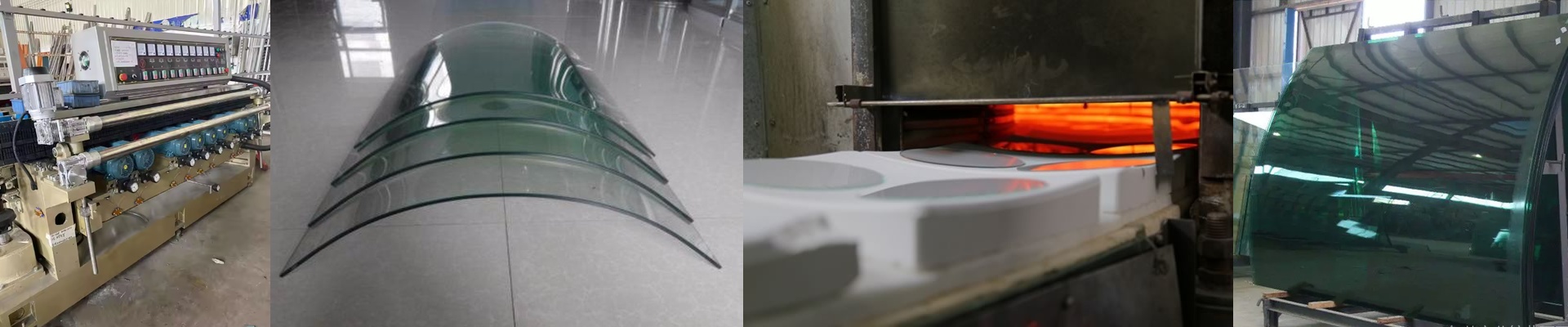
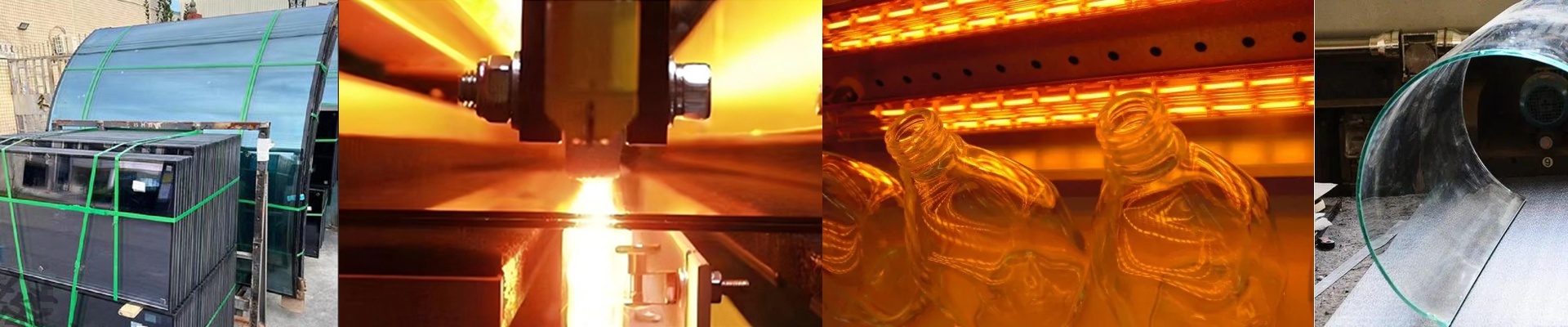
When you’re forming quartz tubes, that shift from hot to cold is where everything is won or lost. If you get it wrong, the glass fails. That’s why we lean on shortwave infrared (SWIR) lamps. They don’t mess around. Unlike those old-school ovens that have to heat up the air first, SWIR goes straight into the glass. There’s no waiting. You flip the switch, and the heat is there. Period.
Getting the Heat Right on the Fly
If you’re doing online annealing, you’re fighting internal stress. You need the glass to hit its softening point quickly, but you can’t just stop the line to let it happen. Resistive heating elements are way too sluggish for this. They have this “thermal inertia” that just slows everything down. But SWIR? It reacts in milliseconds. This means your PLC can tweak the heat in real-time as the tube glides through the zone. It’s a much more intuitive way to work.
The Hardware Side of Things
We build these lamps with high-purity quartz envelopes because, frankly, the heat is intense. The filaments are designed to be cycled on and off rapidly without giving up. One thing I love about this setup is the space you save. Since the heat transfer is so aggressive, you don’t need a massive, sprawling annealing tunnel. Your footprint shrinks, which is always a win on the shop floor. Just a heads-up: this kind of power puts a real strain on your electrics. Make sure your wiring and contactors can actually handle the current. If you skimp here, you’ll just end up burning out your terminals.
Stopping the Bottlenecks
Using fast-response IR lets you stop thinking in “batches.” No more stop-and-go. Everything just flows. It makes the whole process feel fluid, which also cuts down on the risk of thermal shock. Your production cadence stays steady. But here’s the trick: you have to balance the heat with your cooling. If they aren’t in sync, you’ll see warping. Just tweak your conveyor speed against the IR intensity until you hit that sweet spot on your annealing curve.