
Making Your Workshop Heat Actually Smart
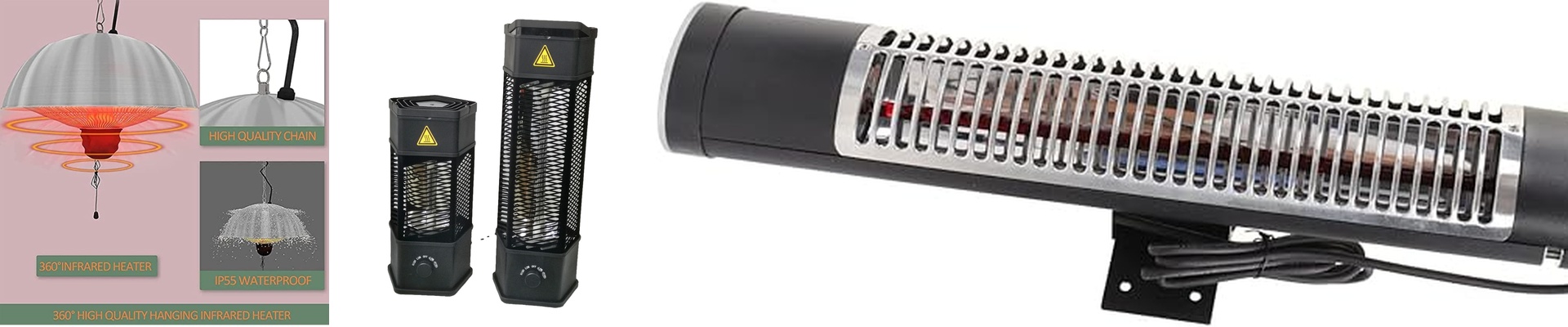
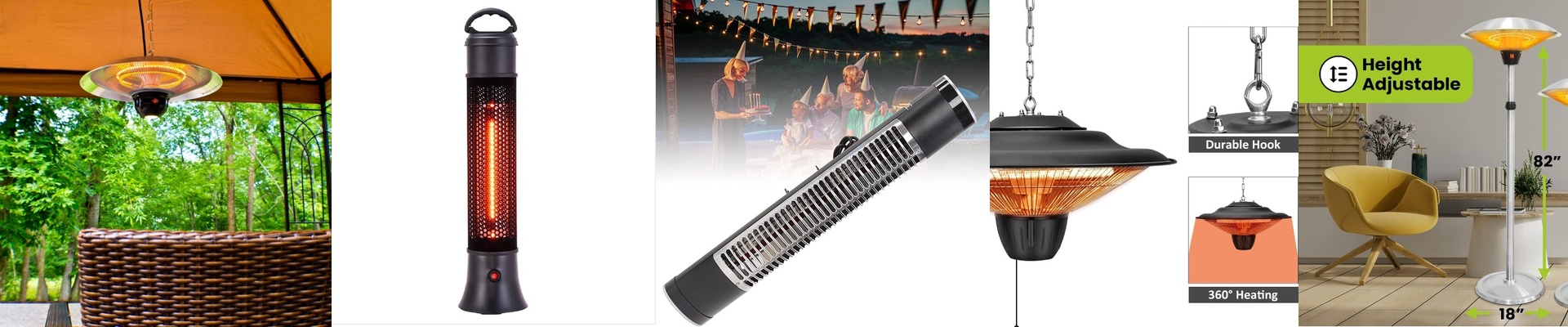
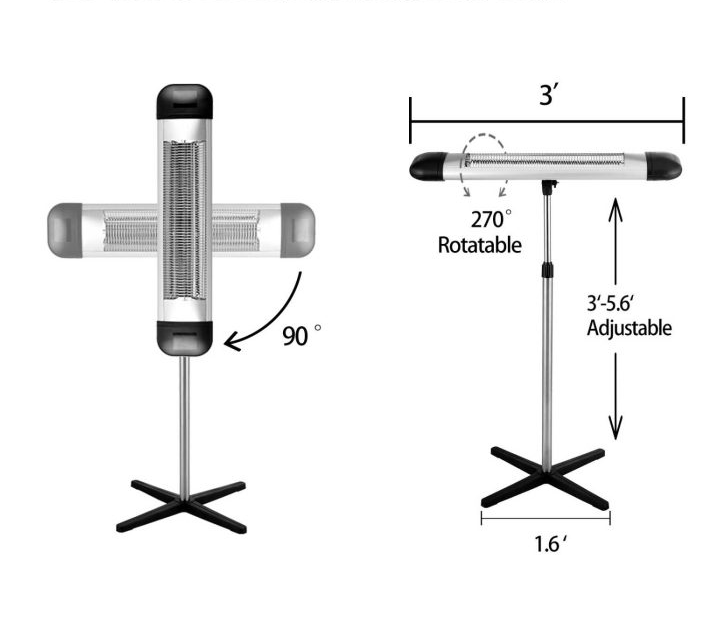
Let’s be honest: heating a workshop is usually a pain. You’re either freezing for the first hour of work, or you’re throwing money out the window by heating a massive room that you aren’t even in yet. I’ve found a better way. Instead of fighting the air, we use ceiling-mounted infrared (IR) heaters and hook them up to a smart home setup. The magic here is that IR doesn’t bother heating the air—it heats you and the floor. It’s the difference between waiting for a room to warm up and stepping into a beam of sunlight on a cold day.
Getting it Warm Before You Walk In
The best part is not having to stand around shivering while the shop warms up. By using things like Zigbee, Matter, or simple Wi-Fi relays, you can just tap a button on your phone while you’re still drinking your morning coffee in the kitchen. By the time you walk through the door, that freezing concrete slab is actually workable. It’s fast. Really fast. And it completely changes how you feel about working in the winter.
The “Don’t Burn Your House Down” Part
Now, here is where you have to be careful. You can’t just plug a heavy-duty workshop heater into a cheap $10 smart plug. You’ll fry it instantly. These heaters pull a lot of power, especially when they first kick on. We use high-amperage smart switches or dedicated contactors. Basically, we make sure the hardware can handle the “surge” without melting. To make it even easier, we add a few sensors. A PIR sensor tells the system if someone is actually in the room, and a temperature probe keeps an eye on the chill. This way, the heat only kicks in when it’s actually cold and someone is there to enjoy it. No more wasting electricity on an empty room.
The Reality Check
Is it perfect? Not quite. The biggest worry is your Wi-Fi. If your router decides to take a nap, you’re locked out of your app. That’s why I always put a manual override switch right by the door. If the tech glitches, you just flip a switch and get warm. Simple. One last tip: these high-power heaters can be “noisy” electronically. If you mount your smart sensors too close to the power lines, they might get twitchy. Just give them a little breathing room, and you’ll be golden.