


Damp basement air has a way of sinking into your bones. It makes every task feel slower and steals the rest from your breaks. When the space is cold, tools get clumsy, glue and finishes act up, and moisture just keeps clinging to walls and workpieces. A standard forced-air heater stirs up dust and noise, yet still leaves the floor feeling chilly. In a basement workshop, comfort isn’t a perk—it’s what keeps the work consistent.
What matters, technically
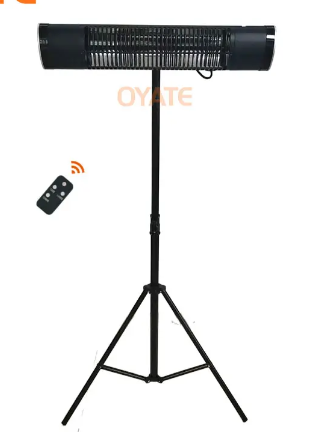
We built this wall-mounted electric infrared heater around a carbon fiber element. It delivers radiant warmth the way the sun does—hitting surfaces first, not the air. The result is direct, directional heat that gets to people and workbenches fast. Match the wattage to your room size and circuit capacity, then fine-tune comfort with the adjustable thermostat. The housing is solid, the electrical connections are straightforward, and the whole package is meant for workshops where reliability beats flash.
Why it fits the basement
In a basement, you’re fighting two things at once: cold and humidity. Radiant infrared heats objects and floors first, so you feel warm sooner—even when the air sits still. That direct warmth helps cut the clammy feeling on your skin. And because the unit doesn’t push air around, it doesn’t keep kicking up dust and debris into your workspace. Wall-mounting keeps floor space open for tools and movement. The low-profile design stays out of the way while still covering the work area evenly.
What to keep in mind
For the best results, mount the heater on a dry wall with clearance from combustible materials, and keep it out of direct water spray. It’s designed for indoor, dry-to-damp locations, not for fully exposed outdoor conditions. Plan your circuit load so the heater has its own dedicated line, and aim the infrared beam so it hits the main workbench and the paths you walk most. With placement dialed in, you get warmth right where you need it—without the noise, drafts, and dust that come with forced-air systems.