
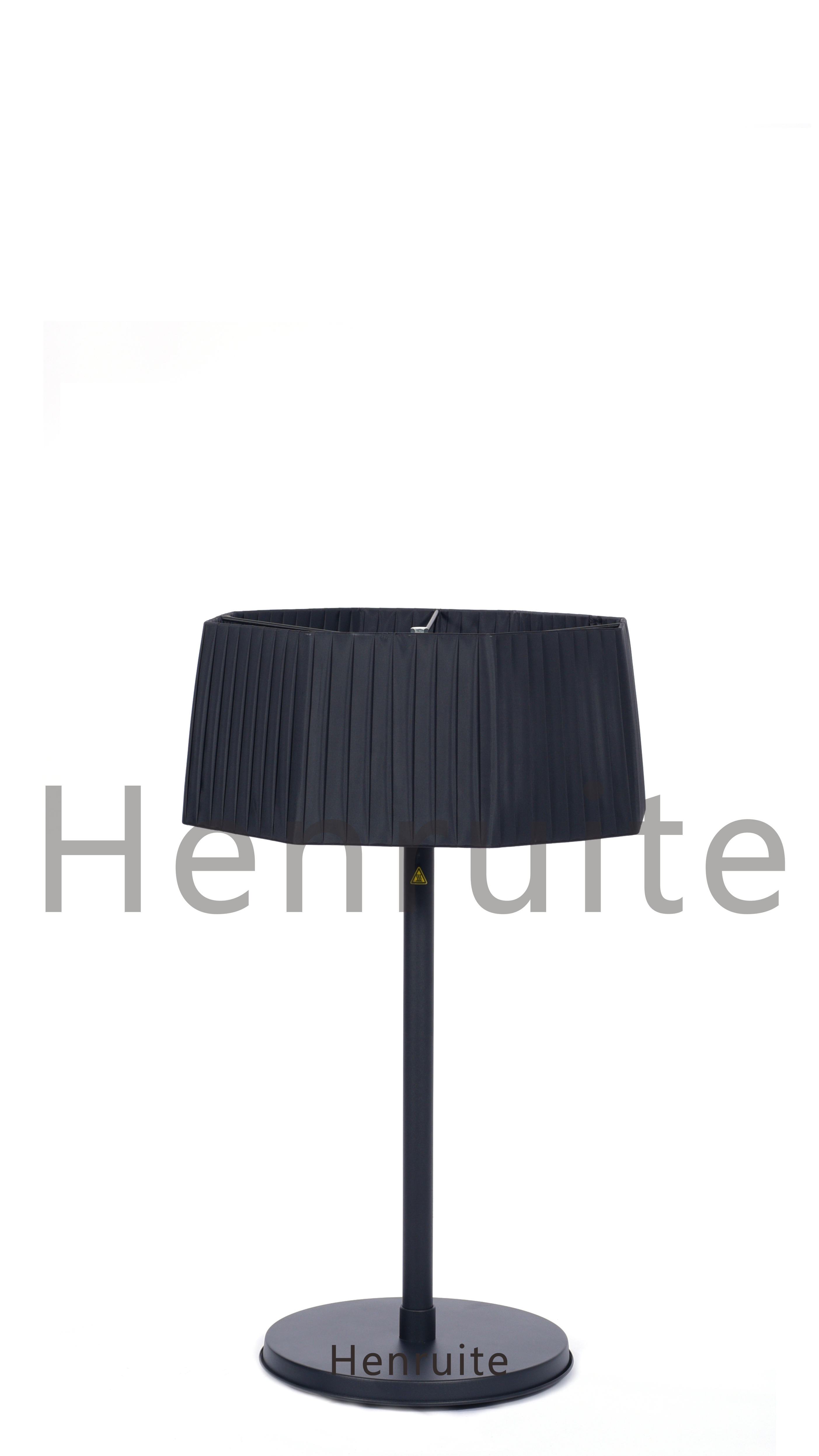
The lights drop, the screen flickers on, and you settle in—only to be pulled out of it by the soft rush of a forced-air heater kicking on. That faint hum and the stir of air are enough to steal your attention from dialogue and music. In a home theater, quiet is part of the show.
What matters, technically
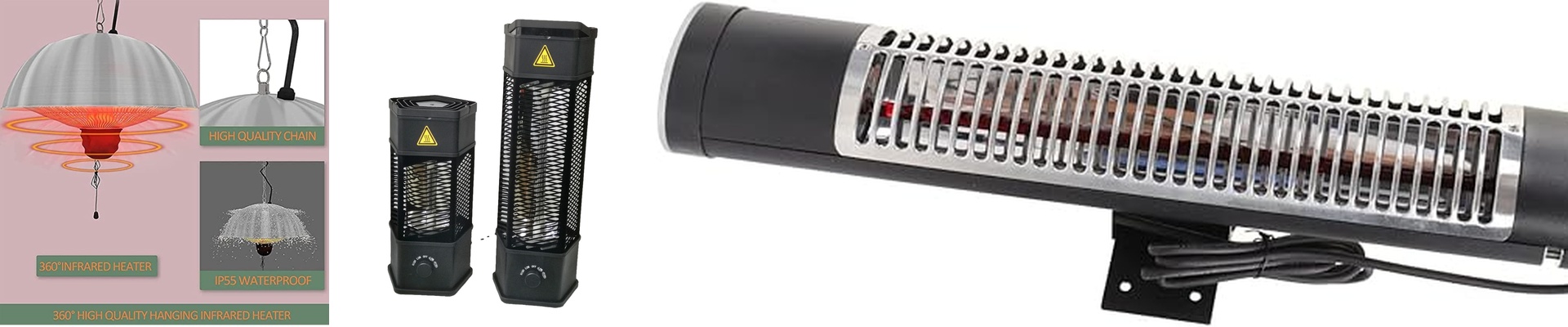
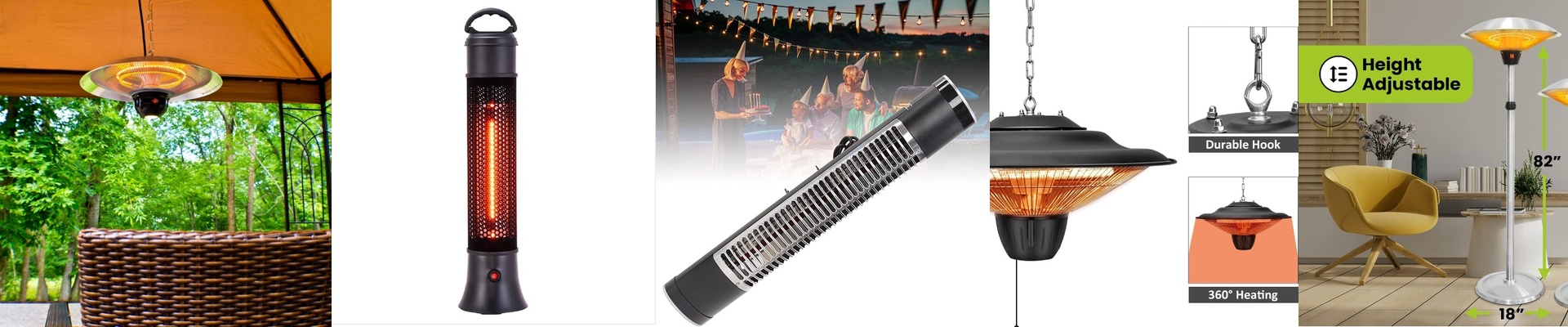
Infrared heaters put out radiant heat, delivering warmth directly to people and objects—much like the sun. No fan means no mechanical noise. In small-room setups, you’ll often see quartz tubes or carbon fiber elements: they come up to temperature fast and give you directional warmth. A typical model runs on standard 120V, draws between 750W and 1500W, and has a low profile so it can sit beside a sofa or under a console.
Why it fits the room
Home theater immersion depends on clean sound and a temperature that stays steady. Infrared warmth reaches you without stirring the air, so the room’s acoustics stay undisturbed. You feel the heat within seconds, not minutes, and it stays concentrated around the seating. Since there’s no cycling of air, you’re not pushing dust around, and you avoid the drafts that leave people feeling too hot or too cold. The room feels still, focused, and cozy—exactly the kind of environment a cinematic experience needs.
What to keep in mind
Infrared heat is directional, so placement matters. Aim the unit at the main seating area and keep it at least three feet from any obstructions. These are designed for indoor, dry spaces. The outer housing stays cool, but the heating element itself gets hot—don’t touch it while it’s running. For the best result, treat the infrared heater as targeted comfort and pair it with a gentle, whole-room temperature approach, rather than expecting it to heat the entire house.