


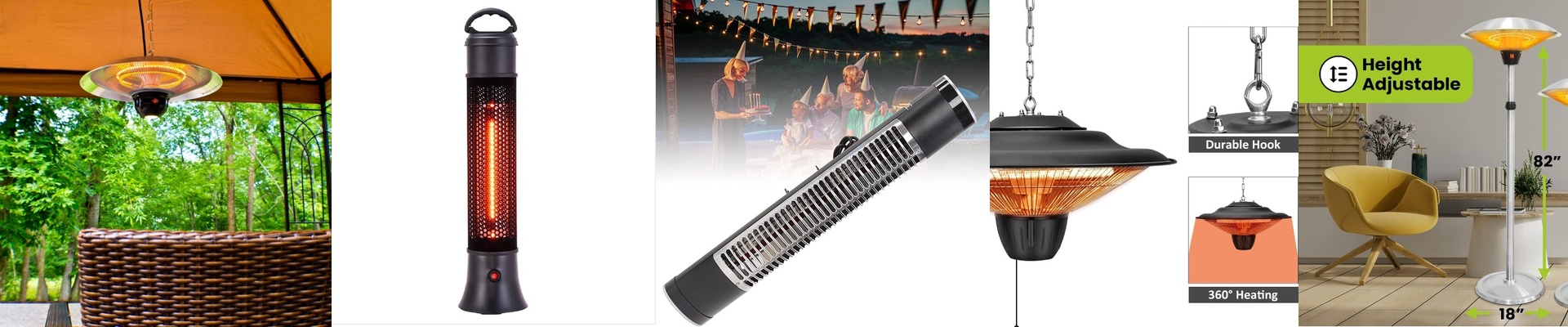
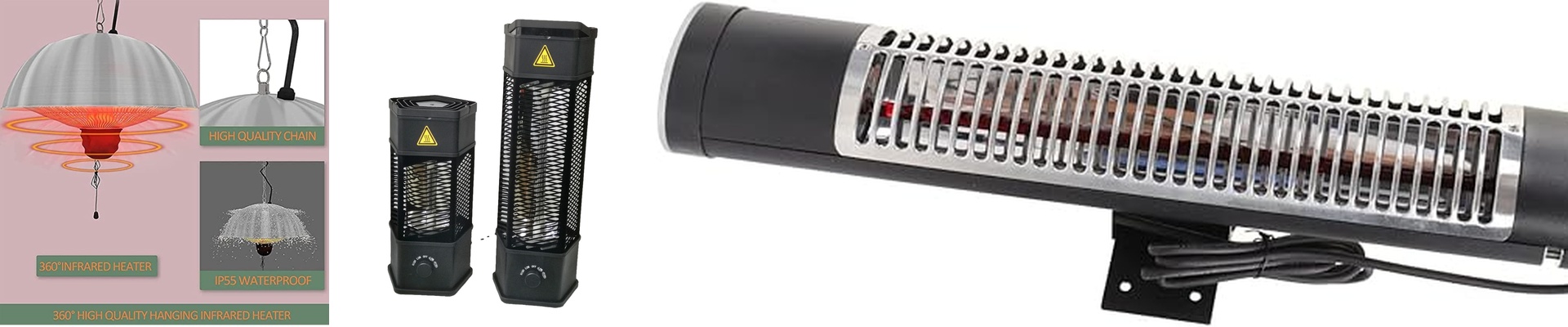
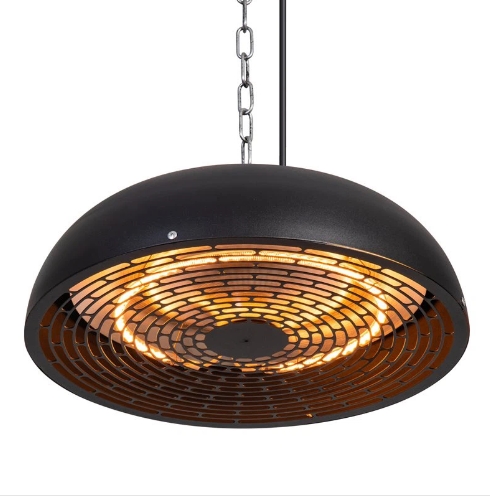
When the house finally quiets down at night, the last thing you need is a heater that clicks, hums, or keeps cycling on and off. You just want warmth that shows up quietly and feels natural. Infrared bedroom heaters do exactly that—radiant heat in the same way the sun warms you, but without the light, the noise, or moving air.
What matters, technically
Infrared heaters warm people and objects directly, not the air around them. In a bedroom, that translates to feeling heat within seconds, even when the room air is still cool. Many units use a carbon fiber element or a quartz tube to produce medium-wave infrared. That wavelength penetrates superficial tissue and delivers a gentle, deep warmth. The reason you feel comfort so fast is simple: the heat travels across the room at the speed of light. Quiet operation is built into the design. No fan, no compressor—just the faint, soft click of the thermostat as it holds your set temperature. Typical bedroom models run at 400–1,500W, plug into a standard outlet, and come with an adjustable thermostat, tip-over protection, and overheat protection.
Why it makes sense in a bedroom
That sun-like warmth isn’t just cozy. Radiant heat helps increase blood flow to stiff joints and tired muscles, so you can actually relax and recover after a long day. Because the warmth is directional, you can place the heater where you need it—near the bed, by a reading chair, or at a desk—and get steady comfort without drafts. You also get practical control. The thermostat keeps the temperature steady, so you’re less likely to wake up because the room turned cold. And since the heater doesn’t dry out the air, your skin and throat stay comfortable.
What to keep in mind
Infrared warmth works best in line-of-sight. Walls, curtains, and furniture absorb and re-radiate some heat, but you’ll notice cooler spots if the unit is blocked or aimed poorly. For the best result, position it to hit your main sitting or sleeping area and keep a few inches of clearance around it. And yes, the heat itself is quiet—but the thermostat can click when it cycles. If you’re extremely sound-sensitive, put the unit a little farther from the head of the bed and run it at a steady, moderate temperature instead of wide swings.