In a salon or spa, warmth isn’t just a comfort—it’s part of the treatment. When a client lies still under an infrared heating lamp, they’re expecting a steady, even heat that helps muscles release and the mind settle. If the heat is patchy, too harsh, or slow to respond, the session loses its rhythm, and the practitioner ends up wasting time.
What matters under the hood
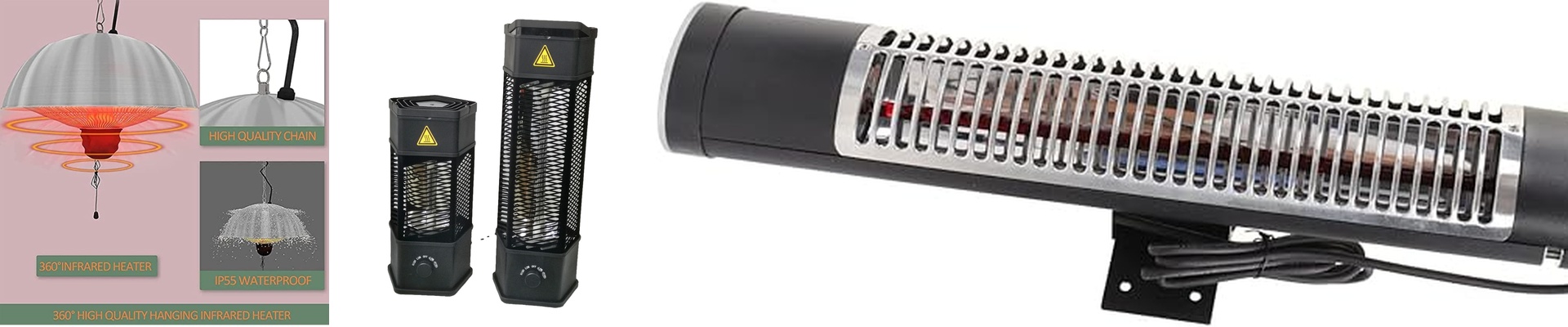
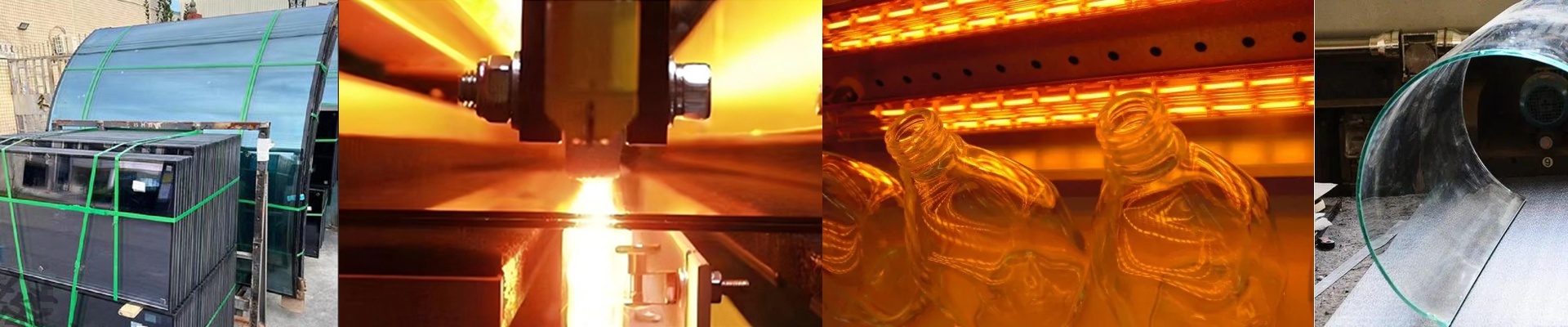
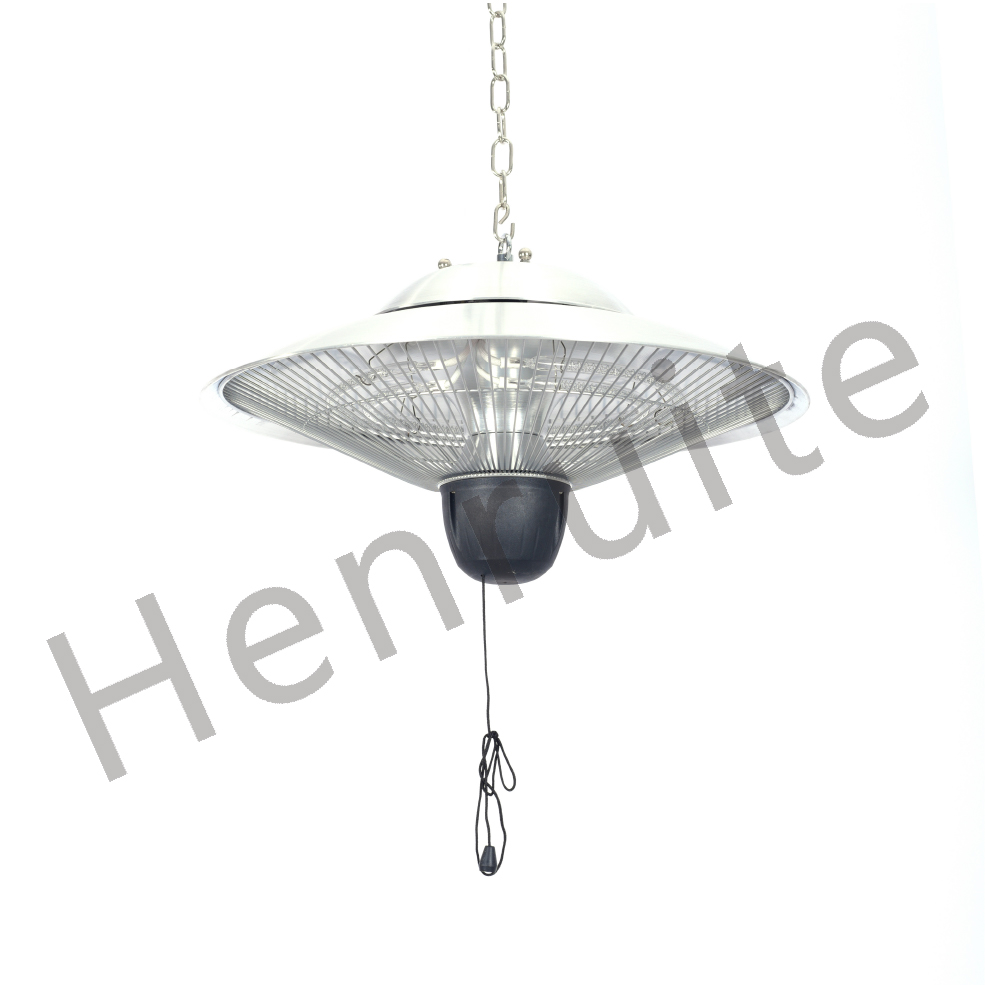
We build these electric heaters around dependable infrared output, with 12V and 24V versions so they can run off common low-voltage supplies. The core uses a quartz tube and a focused reflector to push radiant warmth outward, so you get fast heat-up without blowing air around. Switch it on, and you have immediate warmth. You can hold the lamp closer, too, without that harsh blast of hot air you get from convection heaters. The low-voltage design keeps the electrical footprint small, so the fixture stays compact and easy to position over the treatment bed.
Why it fits the therapy room
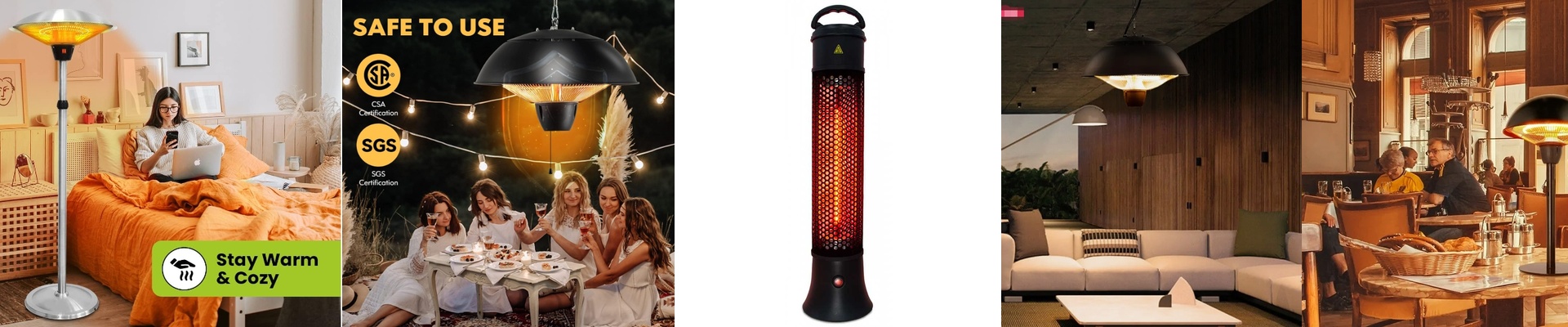
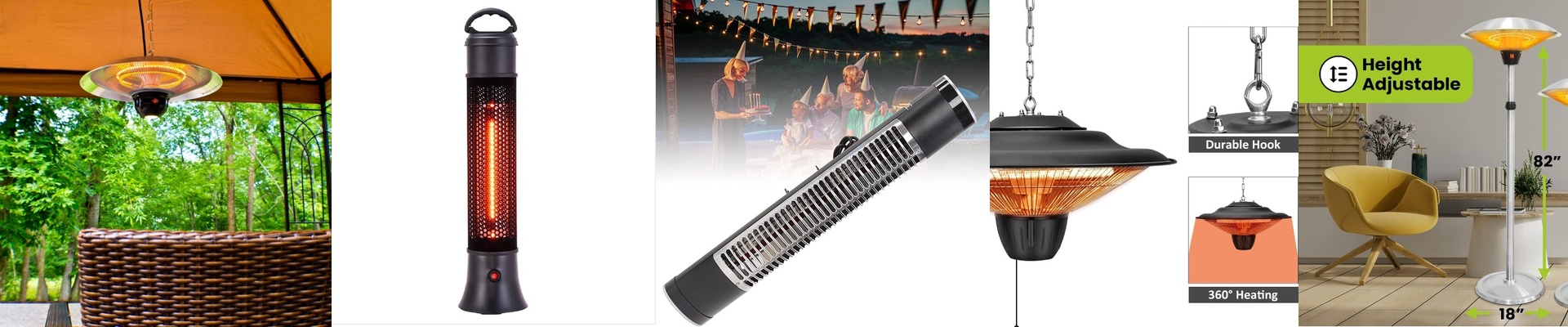
In a commercial therapy setting, infrared warmth helps clients settle faster, which supports better circulation and easier muscle release. Because the heat arrives almost instantly, you can keep sessions moving without waiting for the room to warm up—and without wrestling bulky heaters around. The lamp’s directional heat lets you warm exactly what you want—shoulders, back, legs—while the surrounding air stays comfortable. Over time, the low-voltage approach can help trim overall energy draw, and the straightforward, solid build means fewer interruptions for replacements.
The practical stuff
These heaters are meant for steady, controlled use, but they do need proper mounting and clearance. Keep the lamp at a safe distance from skin and linens, and stick to the recommended voltage to avoid dimming or overheating. For the best control, pair the unit with a compatible thermostat or dimmer so you can dial the intensity for different treatments. If your space runs humid, confirm the IP rating and pick a model rated for damp locations.