

Factory Ceiling Radiant Heaters: Keeping the Power On, Even When the Air Isn’t
Let’s talk about heating a factory when moisture is the enemy. I mean, the kind of damp that hangs in the air, shows up on metal, and makes you nervous about anything plugged in. In those spaces, warmth is only useful if it comes with real electrical safety. These ceiling radiant heaters were built for exactly that tension—delivering direct infrared heat while keeping the electrical side completely isolated, even in wet conditions. If you’re the engineer responsible for heating a large, humid area, you don’t just need heat. You need heat you can trust when the air itself is working against you.
Here’s what makes them tick
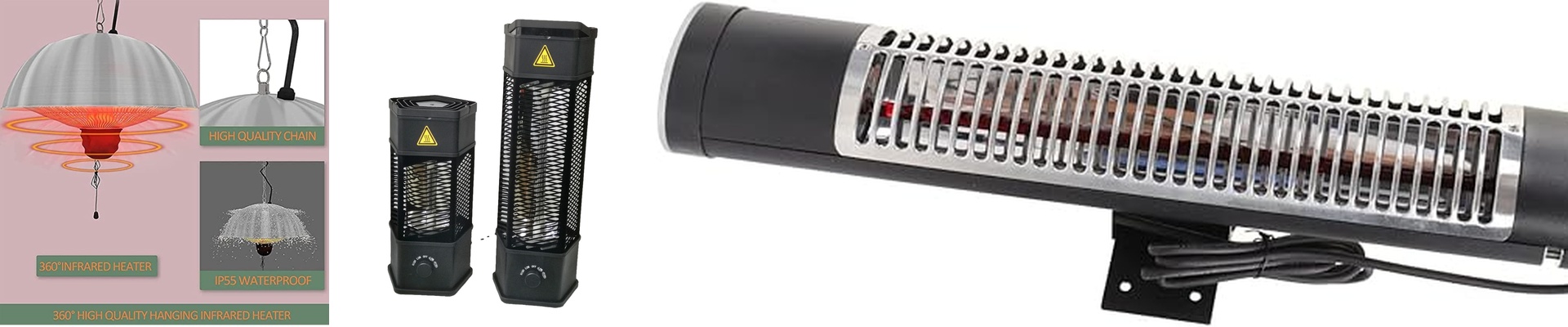
These units run on industrial power—typically 400V. That voltage matters because it lets you push serious power across long cable runs without the performance sagging. The result? Consistent warmth across a big factory floor, not a hot spot near the source and a cold zone a few meters away. And the footprint? Intentionally compact. The heating elements sit inside sealed quartz tubes, often around 300mm. That small size concentrates the heat and sends it downward with real intensity, without eating up valuable ceiling space.
The safety story is in the build
At the heart of it is the sealed construction. The outer envelope is high-purity quartz, chosen because it handles rapid temperature shifts and shrugs off moisture. Inside, a halogen-filled atmosphere protects the filament, helping it last longer and stay steady. The whole assembly wraps around a fully insulated electrical core. Even the connections are treated like a real industrial setup—secure, tight, and built to hold steady when things vibrate. Nothing is left exposed. The design keeps the electrical parts tucked away from the environment outside.
Where this shines—and why it feels different
In damp spaces, condensation can kill conventional heaters. With this sealed, insulated approach, these radiant heaters are right at home in humid workshops, washdown areas, and even industrial spots near bathrooms. And the warmth itself? It’s direct. Infrared heats objects and people, not the air. So you feel the heat where you need it, without stirring up drafts or pushing moisture around. One thing to keep in mind: because the output is focused, you’ll want a properly sized electrical circuit and a clear installation path. But when it’s dialed in, it’s the kind of solution that just works—quietly, safely, and without drama. For engineers facing tough, wet spaces, that’s the point: warmth you can count on, without the risk of equipment failure or safety headaches.