Why Recessed Infrared Heaters Actually Work in Changing Rooms
If you’ve ever spent time in a high-traffic changing area, you know the struggle. Between the high ceilings and the doors constantly swinging open, the heat just… vanishes. Most people try to fix this with forced-air systems. But here’s the problem: those systems heat the air. And since hot air loves to climb, it just floats up to the ceiling where it does absolutely nothing for the people standing on the floor. That’s why we use recessed infrared ceiling heaters. Instead of fighting the air, we just ignore it.
Heat You Can Feel Instantly
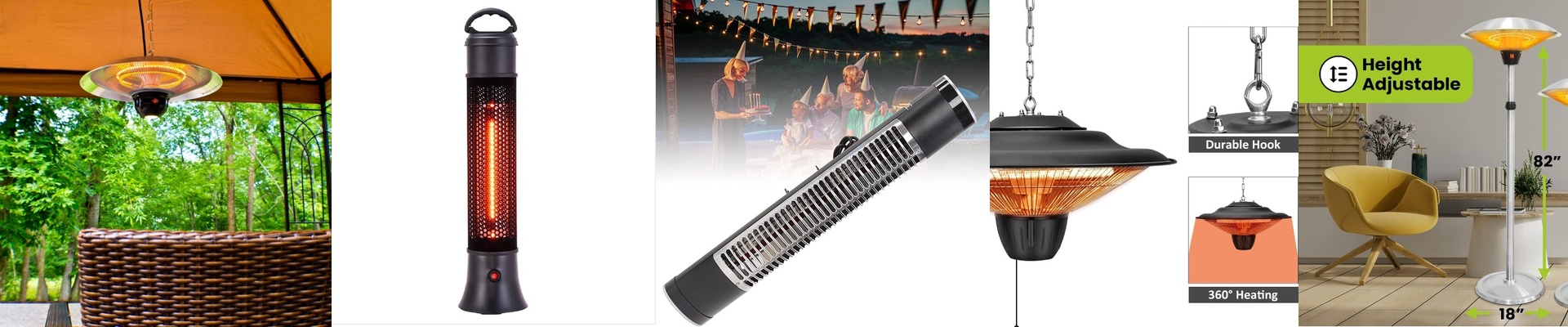
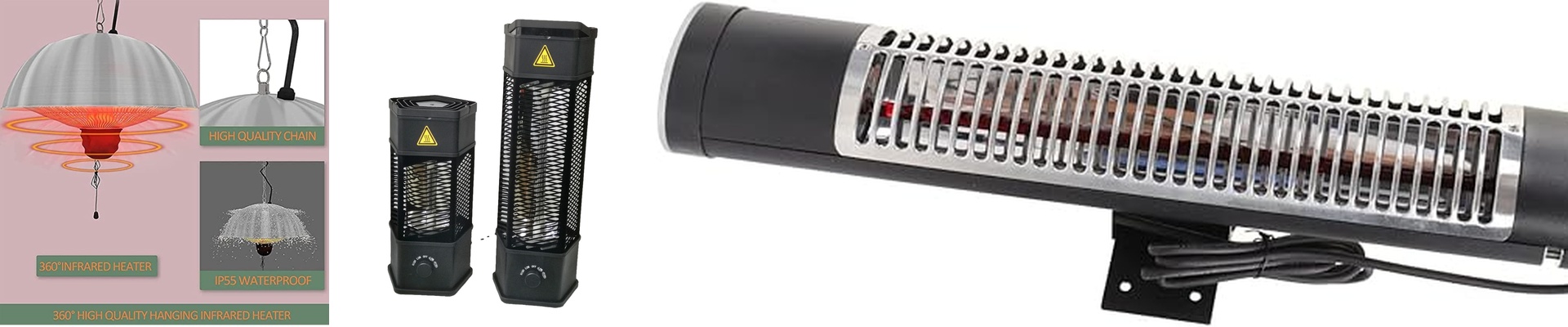
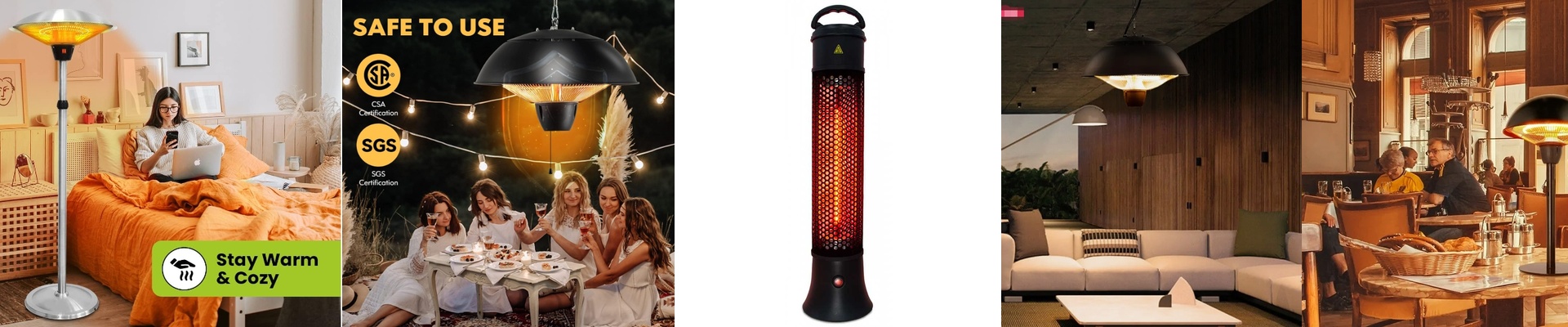
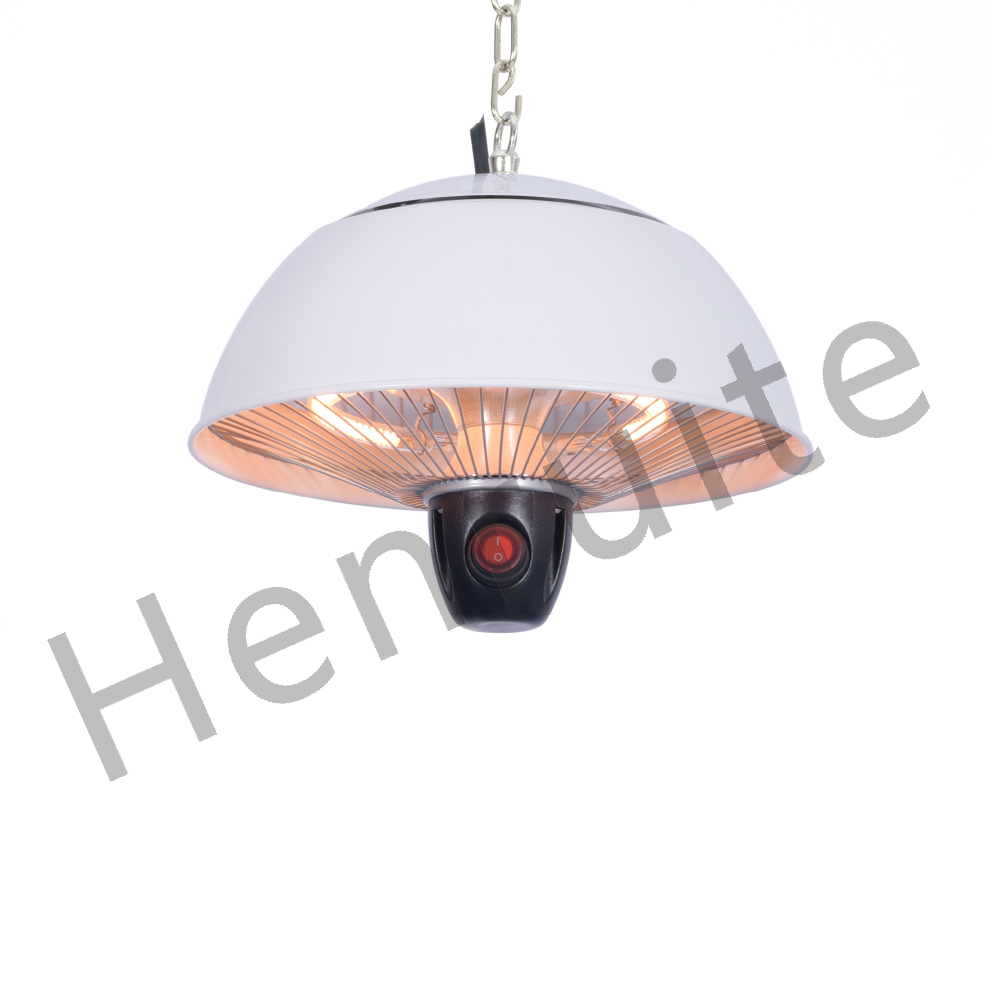
Think of it like the sun. You can be standing in freezing air on a winter day, but the moment you step into a patch of sunlight, you feel that warmth hit your skin. That’s exactly how this works. These heaters send out short-wave radiation that travels straight down. When it hits a person—or a locker, or a bench—it creates heat on contact. No waiting for the room to “warm up.” You feel it in seconds. We tuck these units up into the ceiling so they stay out of the way and keep the room looking clean, but we angle the beams to make sure the heat actually lands where people are standing.
The Nitty-Gritty on Setup
On the technical side, we run these on standard industrial voltages so we don’t overload the system. One thing we always watch for is the ceiling height. The higher the heater is mounted, the more power we need to make sure the heat is still punchy by the time it reaches the floor. We also don’t leave these running 24/7. That would be a waste of money and a quick way to burn out the equipment. Instead, we wire them into motion sensors or timers. If nobody is in the room, the heat stays off. Simple.
The “Warm Pool” Effect
There is one catch: infrared heat is zonal. It creates a “warm pool” directly under the heater. If you take two big steps to the left, you’re going to feel the temperature drop. It’s not like a blanket of air that fills the whole room. Because of that, you can’t just throw one massive heater in the middle of the room and call it a day. You’ll end up with a few toasted people and a lot of shivering ones. The trick is to map out the floor plan and install a grid of smaller heaters. That way, no matter where someone is standing, they’re always in a warm spot.