
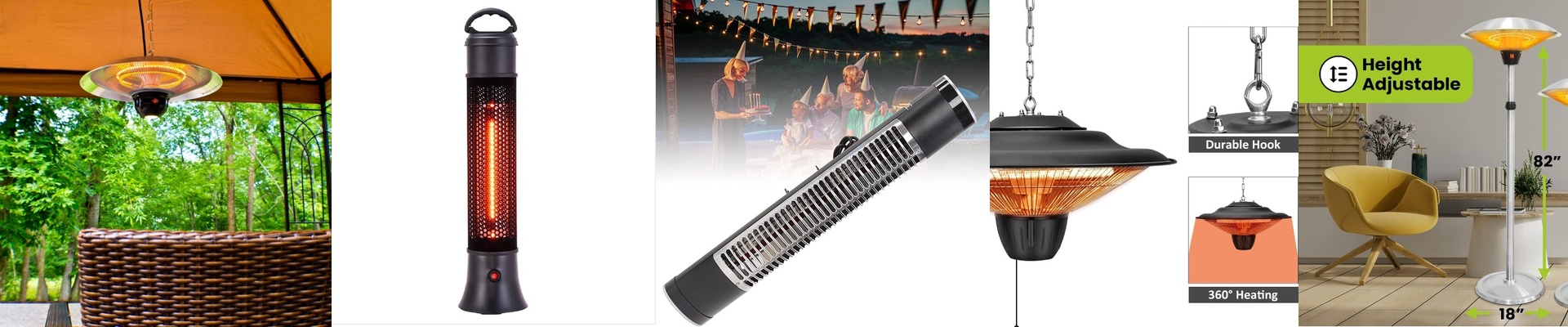
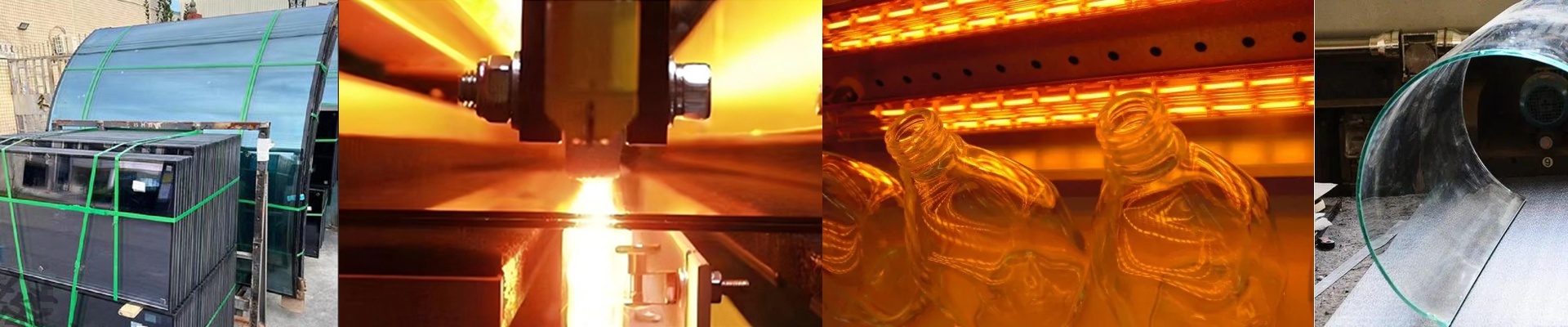
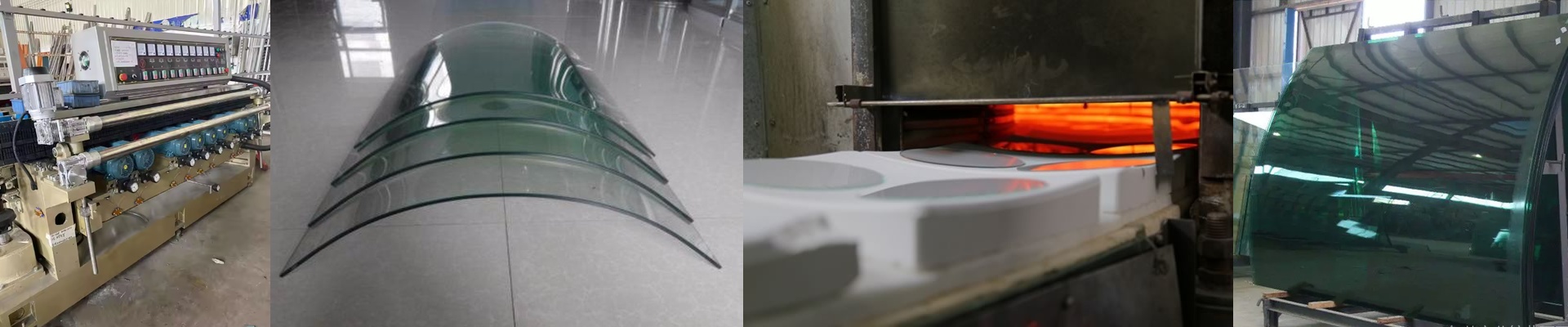
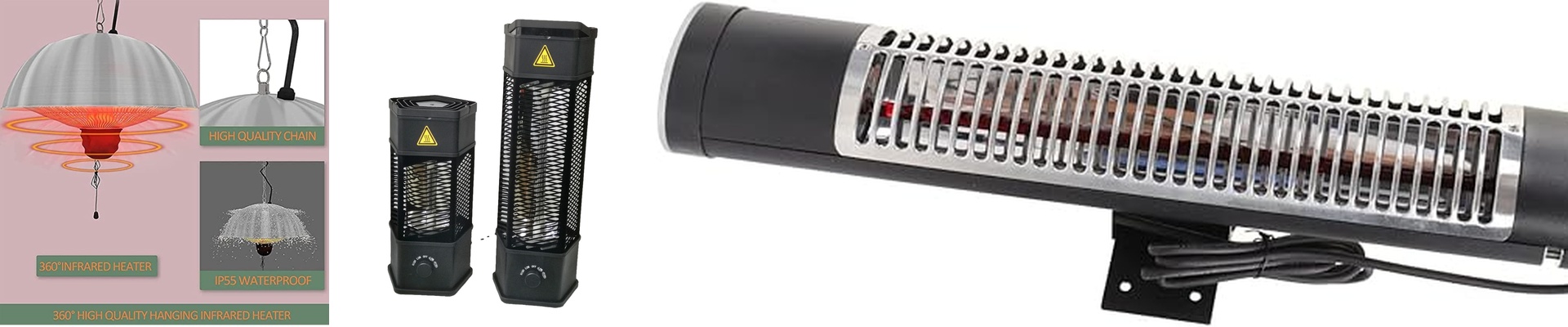

Putting infrared heaters in a place with high ceilings is a bit of a nightmare if you don’t do it right. Most of these units just burn out way too fast. Why? Because dust and moisture settle right on the heating elements, and that’s where things go south. We decided to fix this by building anti-fog and splash-proof seals directly into our high-ceiling models. It stops the tubes from failing before their time. The battle against moisture Here is the problem: water and hot quartz tubes don’t mix. Not even a little bit. If a tiny splash hits a surface that’s 600°C, the glass just cracks. It’s called thermal shock, and it’s an instant kill for your heater. To stop that, we use specialized gaskets and sealed housings. It keeps the water away from the electrical junctions, which means no short circuits and no nasty corrosion eating away at your terminals. Then there’s the fog. If you’re running a humid warehouse, condensation builds up on the lens and reflector. It creates this thin film that basically blocks the heat from getting through. Instead of making you hire someone to climb a 10-meter ladder just to wipe down a lens, we added a hydrophobic coating. Water just beads up and rolls right off. The heat stays consistent, and you don’t have to deal with the headache of constant cleaning. Finding the right balance Now, you can’t just seal a unit airtight. If you do, you’ll trap all that heat inside and fry the electronics. So, we went with vented housings. They let the air breathe but still keep the liquids out. Just a heads-up: make sure you leave enough clearance when you mount them. If you crowd them too much, you’ll get “heat soak,” and that defeats the whole purpose. What this actually means for you At the end of the day, these tweaks just make the heaters last longer. You aren’t constantly swapping out broken elements or dealing with unexpected downtime because of a little humidity. You just get a steady, warm floor space and one less thing to worry about on your to-do list.