

Getting Your Short Wave Quartz Lamps to Play Nice With Your Power Grid
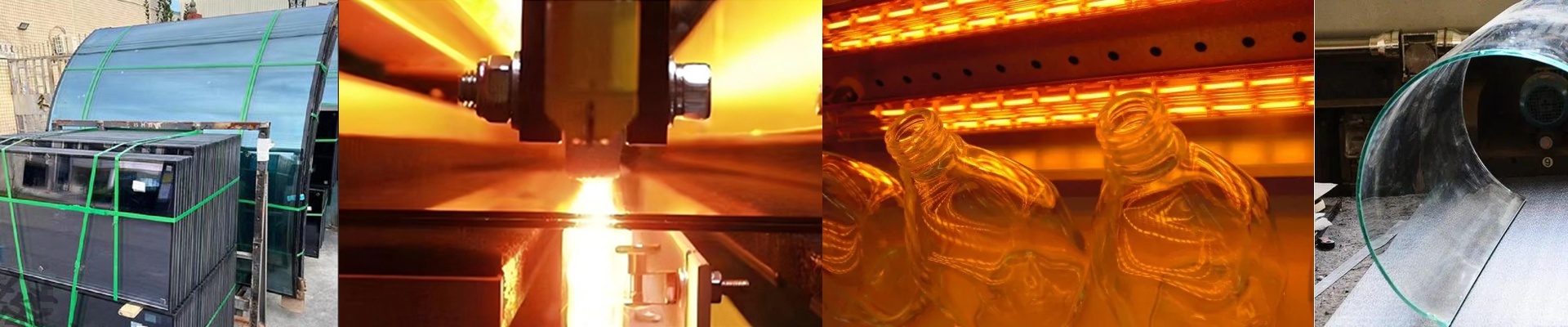
Here is the deal with short wave quartz lamps: you’ve got a tungsten filament inside a quartz tube. When you run a current through it, you get this intense heat that sinks deep into your materials almost instantly. It’s powerful stuff. But if you’re setting up production lines across different countries, you can’t just treat voltage as a footnote. It’s the difference between a lamp that lasts for years and one that pops the second you flip the switch.
The Voltage Headache
We build these lamps to fit whatever grid you’re dealing with. Maybe it’s a standard 110V setup in the States, or those heavy-duty 480V and 575V lines you find in Canadian or European plants. Now, you might think a transformer solves everything. It doesn’t. If you plug a 110V lamp into a 480V line?**Boom.**It’s gone. But it works the other way, too. If you try to run a high-voltage lamp on a low-voltage line, it’ll never get hot enough to actually do its job. You won’t get that “short wave” magic because the filament just isn’t hitting the right temperature. To fix this, we mess with the length and thickness of the filament. If you need 2kW of power, we tweak the internal resistance so it hits that mark perfectly, whether you’re plugging into 480V or 575V.
The Quartz Trade-off
We use high-purity quartz because it can take a beating. These lamps go from cold to blistering in a few seconds—that’s a lot of thermal shock. But there’s a catch. The more heat you cram into a tiny space, the more stress the glass feels. If you’re pushing for maximum heat density in a short tube, you have to be careful. One tight mounting clip or a single oily fingerprint on the glass during install can create a weak spot. And that’s usually where the lamp fails.Handle them with care.
Making it Fit
Nobody wants to spend hours hacking a lamp into a machine. That’s why we offer different end-cap options. Whether you’re using R7s or some weird industrial connector, we make sure it’s a snug fit. Why? Because at high voltages, a loose connection can cause arcing. It’s dangerous and messy. Just make sure your wiring and contactors are actually rated for the lamp’s voltage. If they aren’t, you’ll get voltage drops, and your heating efficiency will tank. It’s a simple detail, but it’s the one that usually trips people up.