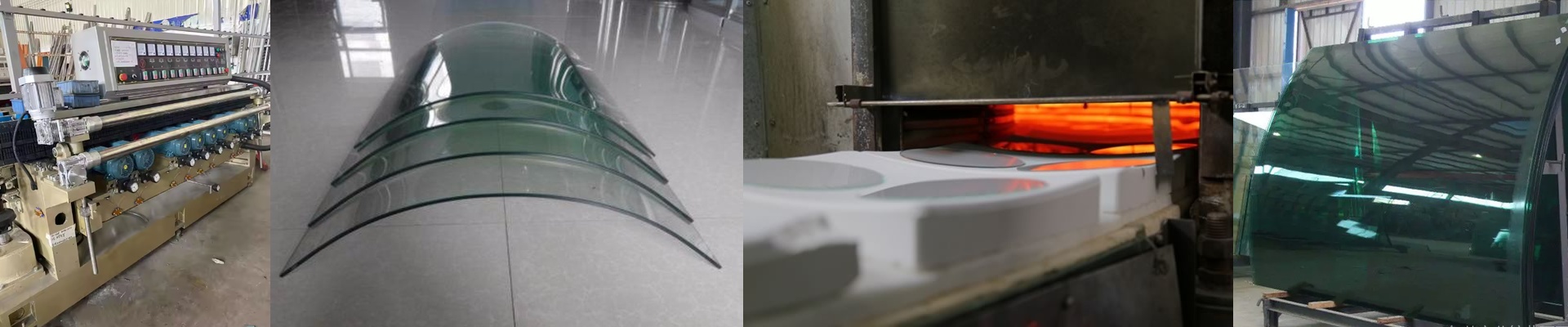
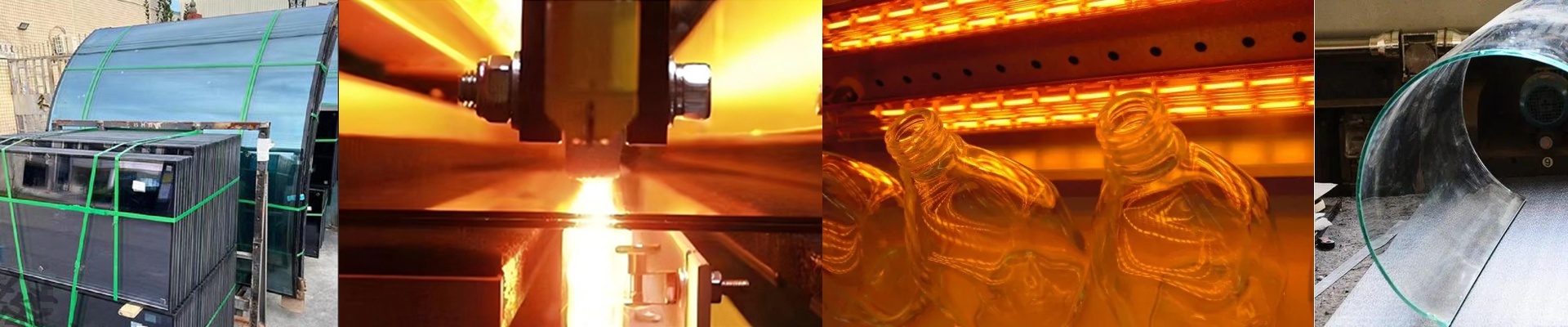
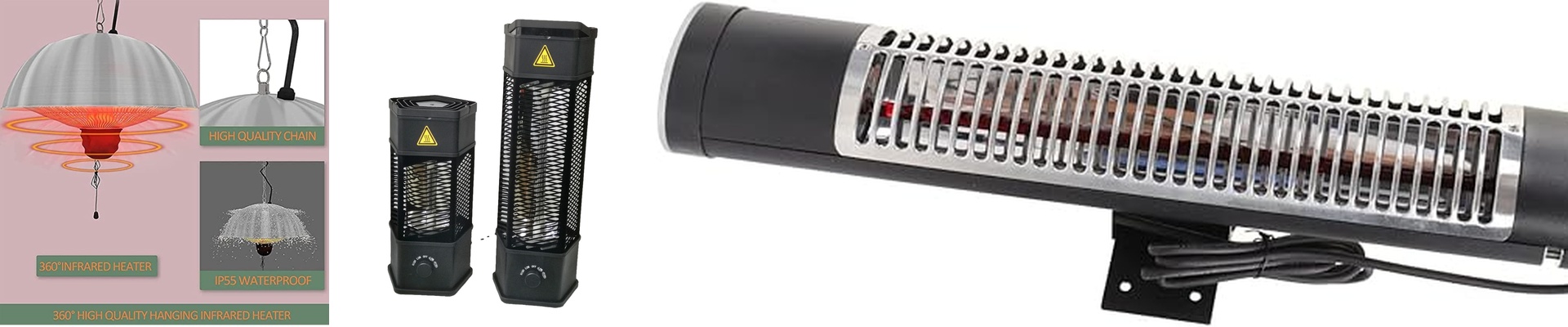
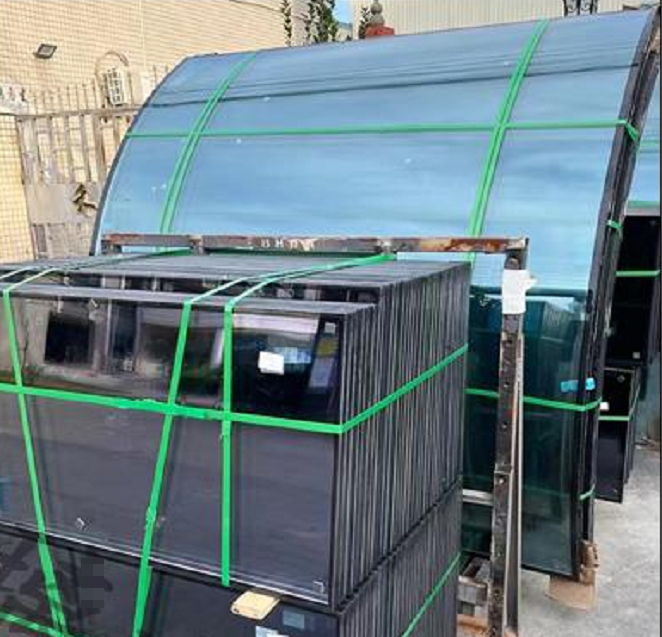
Out on the glass line, heat isn’t just heat. It’s control. One hot spot in tempering, one lag in lamination, and you’re staring at scrap—stress fractures, optical distortion, weak edges. That’s why the quartz heaters we build are designed around one idea: delivering heat the same way, every time. What actually matters under the hood We run short-wave infrared elements with fast response and high emissivity, so the energy goes into the glass, not the air around it. Power density lands at 10–60 kW/m², and we keep the hot zone tight so temperature spread across the face stays within ±2%. We match industrial voltages—240/380/480 V—and use standard flange and bracket interfaces, with termination options that hold up to continuous duty. The payoff is predictable ramp-up and stable holding temps, which means repeatable curing profiles and a controlled thermal history in tempering and bending. Why this makes a difference on the floor In glass processing, yield lives and dies on heating precision. Tight thermal uniformity keeps thermal stress in check, so fewer parts get flagged after quenching. Fast response cuts cycle time on lamination and coating drying, so you hit throughput without cranking oven temperatures across the line. You also save energy because the heat is applied on demand, not wasted preheating big chambers. And when the heater drops into the same footprint and mounting as the original module, changeover is straightforward—less downtime. The things you’ll thank yourself for planning early Quartz heaters deliver real intensity, and that intensity needs disciplined thermal management. Clearance to nearby components matters, and the target has to have the right thermal mass and emissivity—reflective or thin substrates can run hotter than you expect. Plan wiring and cooling for peak load, and confirm compatibility with your PLC control and safety interlocks. Set it up right, and these heaters run reliably. Treat the environment as part of the system, not an afterthought.