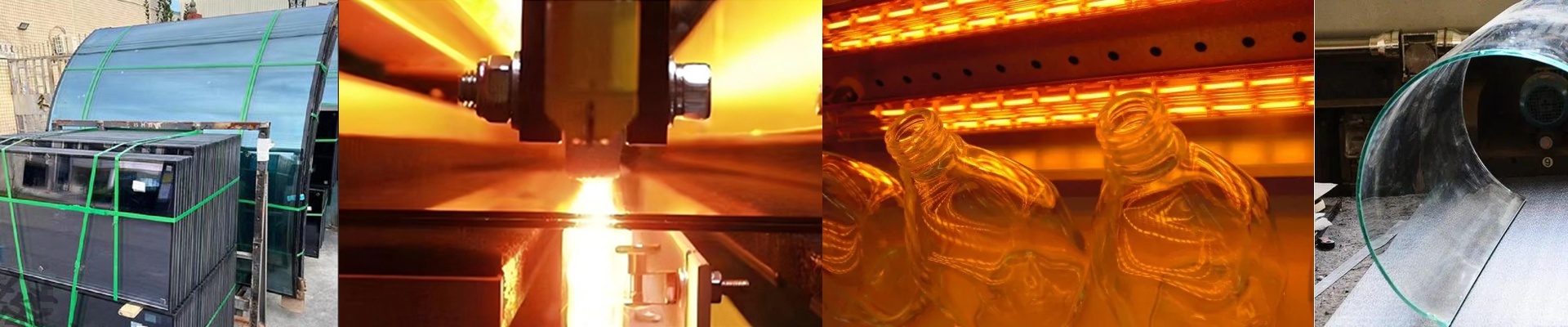

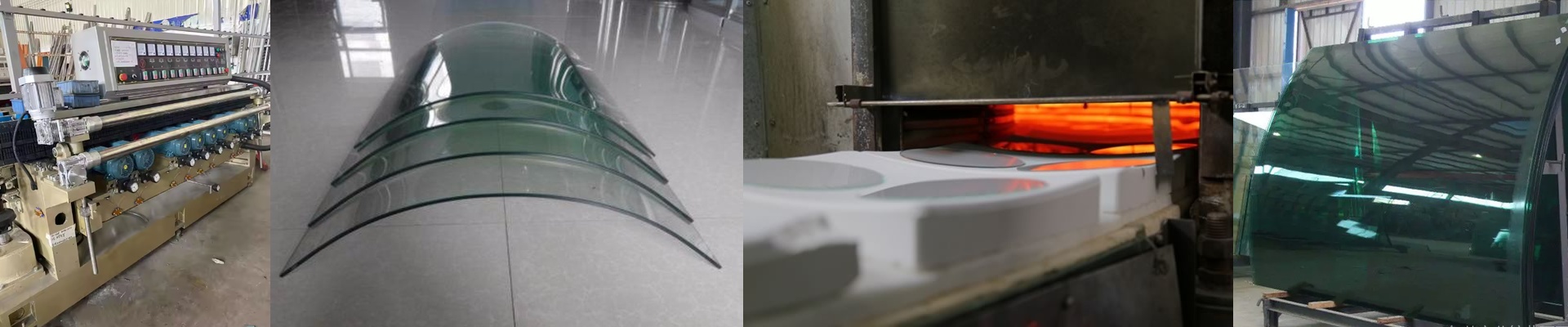
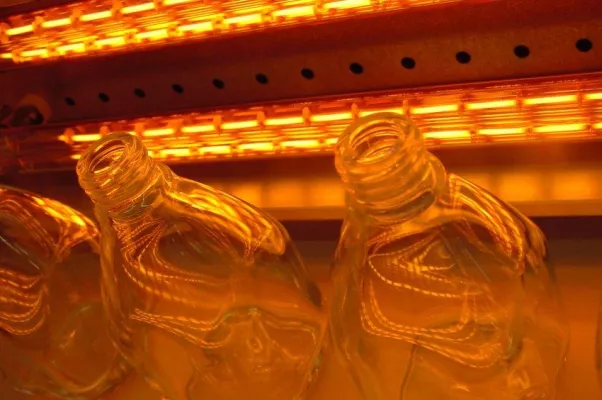
On the shop floor, heat isn’t just a setting—it’s the difference between good glass and scrap. A cold spot during bending shows up as optical distortion. A lamination cure that lags brings the whole line to a halt. When the oven heater can’t keep up, you pay for it in rework, wasted energy, and missed deliveries. What matters under the hood We run quartz glass oven heaters built for industrial work: fast response, high emissivity, and tight thermal uniformity across the hot zone. The elements are sized to your chamber—matched voltage and power density—so setpoint comes up quickly without overshoot. Terminations and mounting are set up to drop straight into existing frames and racks. The control side stays practical: thermocouple input, stable output, and profiles you can count on shift after shift. Why this plays in real processes In bending, even heat distribution keeps thermal stress down and keeps the shape repeatable, part after part. In tempering, the preheat has to be fast and uniform so the quench can do its job without edge defects. During EVA/SGP/PVB lamination, the cure profile needs a stable dwell—no spikes, no dips—so you don’t chase bubbles and haze. For coating drying, the heater delivers controllable heat that drives off solvents without crazing. The payoff is shorter cycles, fewer rejects, and a lower kWh per square meter. The details that bite you if you ignore them These heaters are tough, but the oven atmosphere matters. High humidity and certain volatiles can shorten service life, so confirm compatibility with your process chemistry. Leave proper clearance to surrounding components, and double-check wiring and control compatibility at install. Matching termination and control strategy helps prevent hot spots and keeps the element protected.