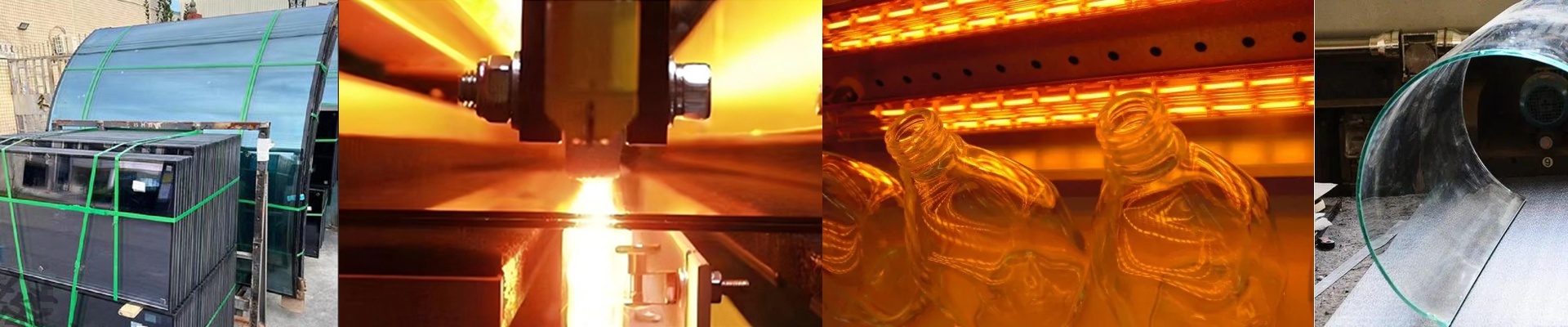
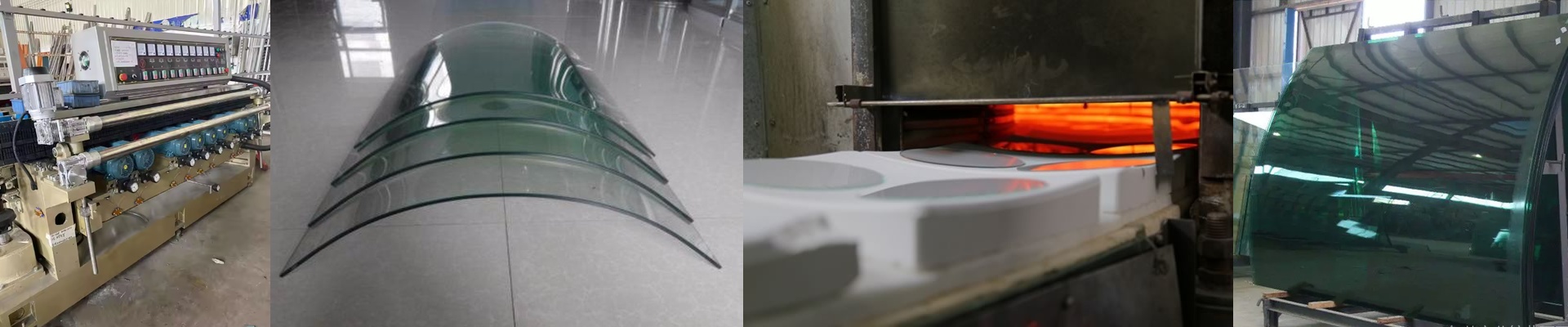

The furnace door opens on the line, and you already know before you look—temperature profile is off again. You see the stress fractures after quenching, or the lamination film flowing uneven because the hot zone won’t hold a stable, repeatable pattern. Every minute spent chasing setpoints is a minute lost to scrap and rework. Safety distance for glass heating isn’t some abstract number in a manual. It’s the physical gap that keeps the heat source from driving thermal shock into the glass—while still delivering the energy needed for tempering, bending, lamination, and coating drying. What matters, technically We build heating modules around controlled radiation and tight thermal coupling. Quartz short-wave emitters give rapid response with high power density; medium-wave elements lay down even coverage for thicker stacks and slower ramps. The trick is matching emissivity and heat flux to glass thickness and coating sensitivity, then keeping the safety distance that prevents hot spots and convection spikes. Voltages and watt densities are chosen around the duty cycle of your line—240V to 600V configurations, compact form factors, and terminations that survive repeated thermal cycling. Why it works where the glass meets the heat In tempering, the right safety distance keeps surface heating uniform, so the quench produces consistent compression and fewer edge cracks. In bending, it stabilizes the sag profile and cuts down optical distortion. For EVA/SGP/PVB lamination, it holds a flat thermal front that minimizes bubbles and voids. The payoff is faster cycle times with fewer rejects, lower energy use per square meter, and maintenance intervals you can plan around. You get repeatable glass processing that runs shift after shift without chasing drift. Here is what to watch for Installation has to respect clearance to the glass, the conveyor, and the insulation. Clearance shapes airflow, so recirculation and shielding need tuning to your oven geometry. Modules fit most OEM frames, but verify mounting, connectors, and control interfaces before you changeover. Commissioning is short—just enough to dial in ramp rates and dwell profiles. Once set, the system runs with minimal adjustment and predictable wear.