
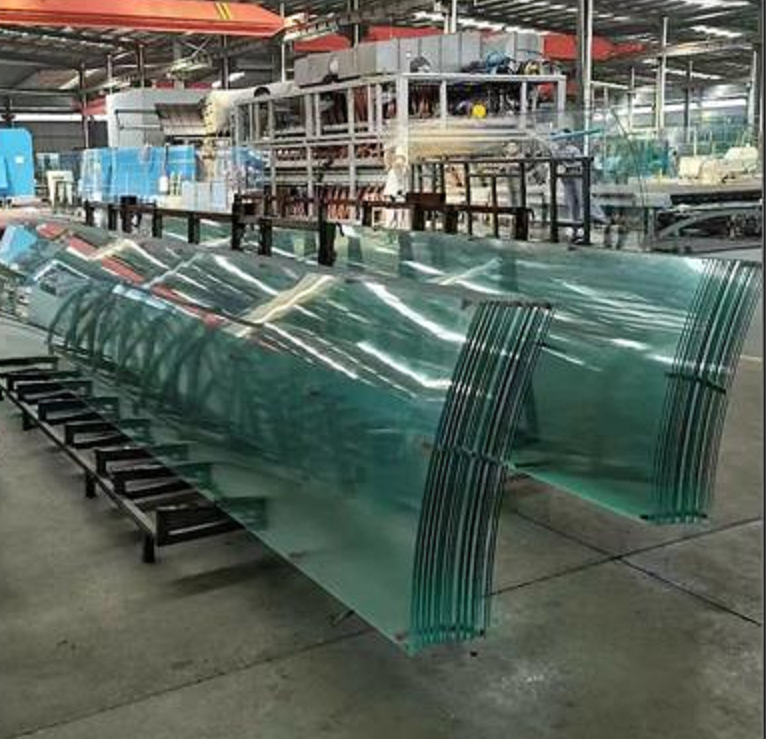
The Tug-of-War Between Clear Patterns and Strong Glass
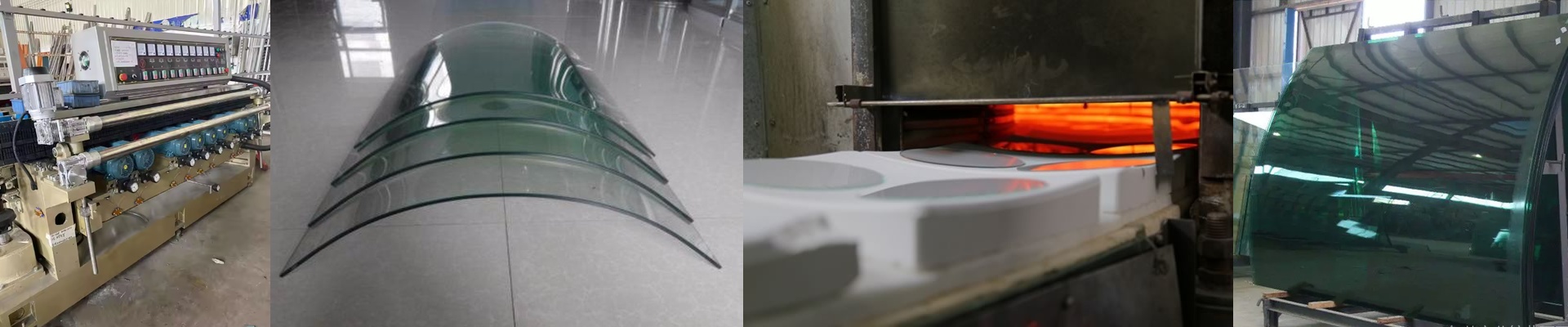
If you’ve ever run an integrated tempering process for silk-screened glass, you know the headache. It’s a balancing act. You need enough heat to bake the ink in so the design looks sharp, but if you push the glass surface too hard, you’re asking for trouble—uneven stress, structural cracks, the works. We’ve found that single tube infrared lamps are the best way to stop that tug-of-war.
Getting the Heat Exactly Where It Needs to Be
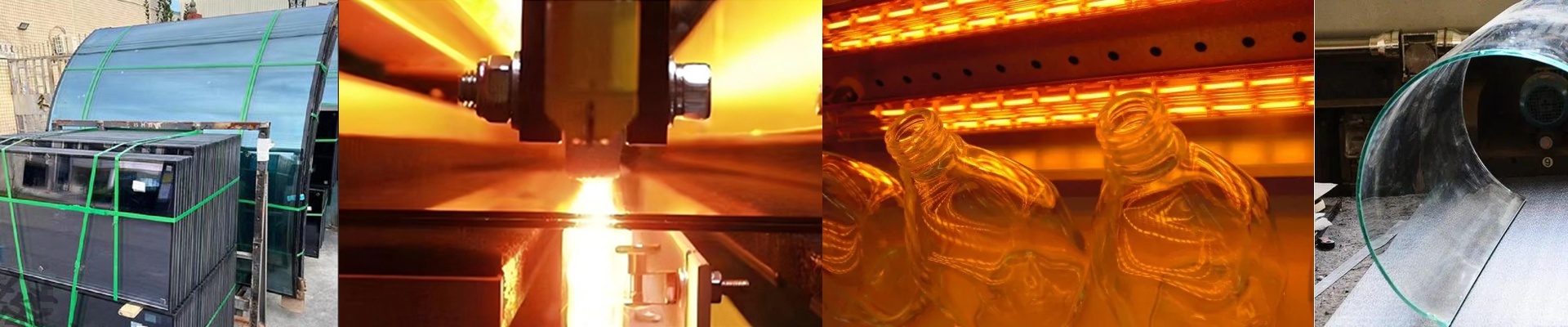
Here is the trick: single tube IR lamps let us hit the ink layer without soaking the entire slab of glass too early. You can tweak the wattage and the distance between the tube and the glass to dial in the heat flux. Short-wave tubes with high wattage hit the surface fast. It’s like a flash—it locks the design in place before the glass even hits its full tempering temp. But you have to be careful. Crank the power too high? You’ll burn the ink. Leave it too low? Your pattern will smear the second it hits the furnace. It’s all about that sweet spot.
The Nitty-Gritty Hardware
We stick with quartz envelopes for these tubes. They let the heat through way better. Now, keep an eye on your connection points. That’s where things usually go south. Using standard industrial connectors keeps you from dealing with arcing and keeps the current steady when things get hot. And for heaven’s sake, watch your voltage. One bad power spike and your filament is toast in seconds.
Real Talk: Life on the Shop Floor
These lamps pack a massive amount of heat into a tiny space. Because of that, your cooling fans and vents need to be up to the task. If the housing gets too hot, your connectors start to degrade, and then you’re in for a bad day. The good news is that swapping out a single tube is easy. But here is the part everyone forgets:**clean your reflectors every week.**Just a bit of dust buildup can kill your efficiency by 15-20%. When that happens, the lamps have to run hotter just to keep up, which eats through your tube life way faster than it should.