Getting Medium-Wave IR Right for Mobile Glass Repair
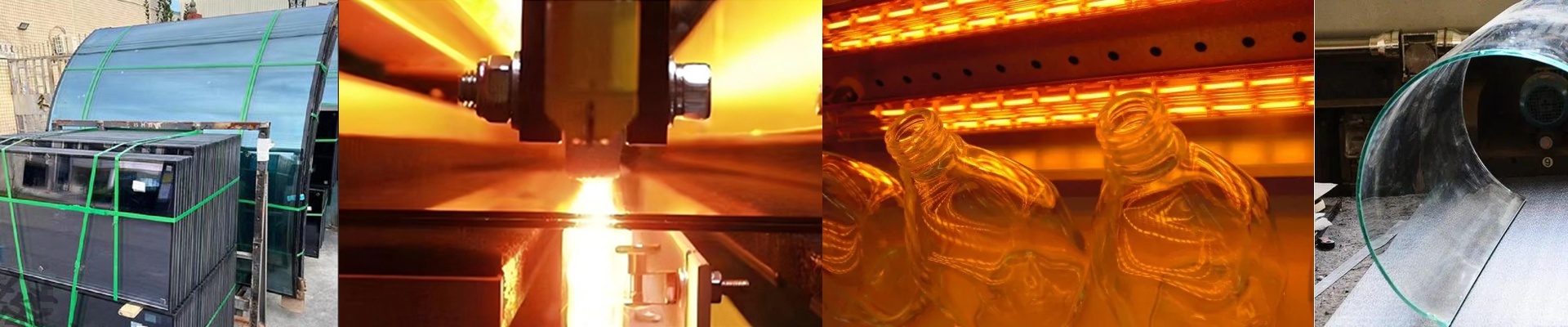
Trying to cram high-output heating elements into a mobile glass repair bracket is a bit of a headache. You’re basically fighting two things: a tiny footprint and limited voltage. For this kind of work, we stick with medium-wave infrared (MWIR) lamps. Short-wave is usually too aggressive—it’s like trying to warm a sandwich with a blowtorch. Long-wave, on the other hand, just doesn’t dig deep enough. Medium-wave hits that sweet spot where you can soften the adhesives without accidentally scorching the edges of the glass. The struggle with small spaces Here’s the thing: when you shrink a lamp to fit a portable bracket, you lose surface area. To get the heat you actually need, you have to crank up the wattage per centimeter. That creates a really concentrated heat zone. You’ll need a power supply that can handle those spikes. If you’re working with a limited voltage rail, we can tweak the filament winding. That way, you hit your target temperature without popping a circuit breaker the second you flip the switch. Hardware that actually lasts We use quartz envelopes because, let’s be honest, workshops are rough. These lamps need to take a beating. The connection points are usually where things go south. I always recommend using secure, vibration-resistant terminals. If you’re moving around a job site, the last thing you want is a lamp shaking loose while you’re mid-repair. And a word of warning on the housing. When you have that much heat in such a small box, the bracket itself starts to soak up the thermal energy. You can’t just toss these into a plastic frame—you’ll melt your equipment. Stick with aluminum heat sinks or some active venting to keep your electronics from cooking. Making it work in the real world In glass repair, you’re looking for a consistent soak. We position the MWIR lamps so the heat hits the bond line directly. It makes the process way faster and keeps the bracket light enough to hold in your hand. Just keep an eye on your spacing. The closer the lamp is to the glass, the faster it works. But if you get too close, you risk creating localized hotspots. It’s all about finding that balance.