
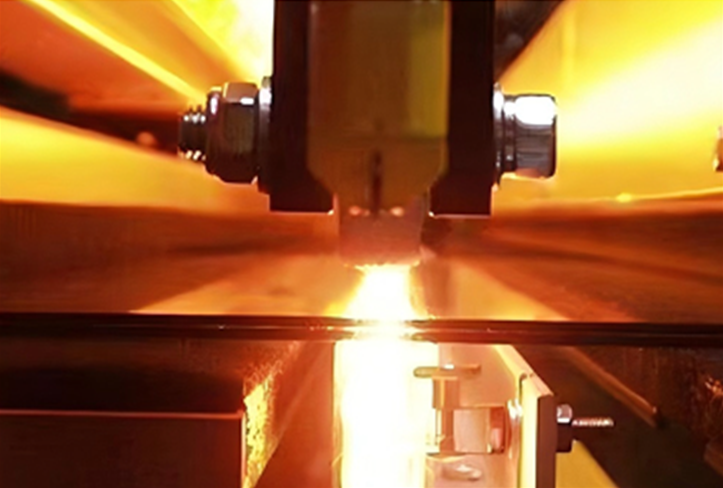
Stop the Chips: Why we preheat glass before cutting
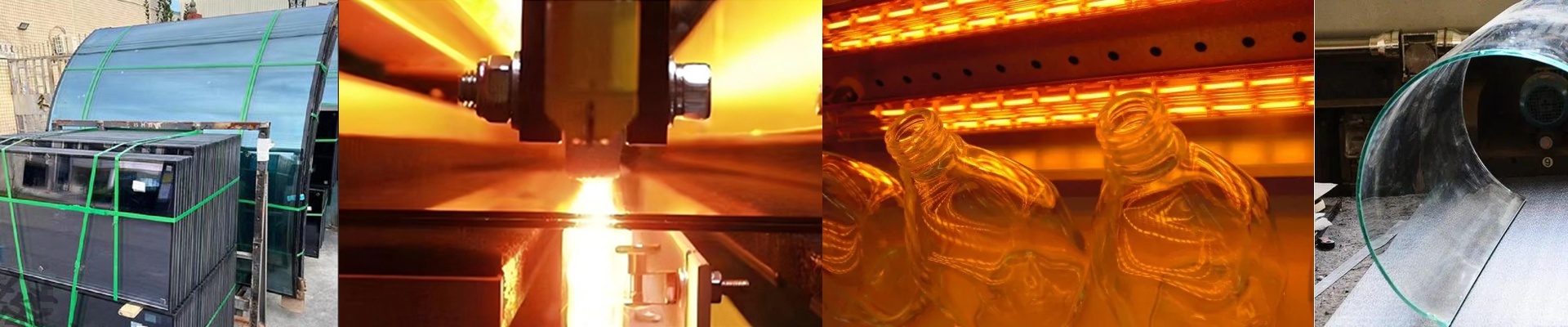
Glass is stubborn. If you try to cut a cold bottle, it doesn’t always play nice. You get those annoying little chips or corner breakouts that ruin the edge. It’s frustrating, and frankly, it’s a waste of material. The trick to fixing this is infrared (IR) preheating. Basically, we warm up the surface of the glass right before the blade hits. This makes the material a bit more forgiving and eases the stress on the glass. The result? A clean, crisp break and way less scrap piling up in the bin. How the heat actually works We use short-wave IR lamps because they don’t mess around. They punch right through the surface of the glass. Unlike a big oven that just heats the air, IR puts the energy exactly where it needs to go. It creates a targeted “warm zone” at the cut line. When the glass is warm, the molecular bonds loosen up. Instead of a violent shatter, the tool can guide a controlled fracture. It’s the difference between snapping a frozen twig and bending a fresh one. Finding the sweet spot You can’t just blast it with heat and hope for the best. There’s a balance here. If you don’t get it warm enough, you’re still dealing with chips. But if you go overboard? You risk warping the bottle. We usually aim for a window between 150°C and 300°C, depending on how thick the glass is. Plus, you have to think about your line speed. If your conveyor is flying, you need more powerful lamps. The glass only spends a few seconds under the heater, so it has to soak up that heat fast. The messy side of engineering Here is the part they don’t always tell you: high-intensity lamps gethot. Seriously hot. If you cram too many of them into a small space, you’ll end up frying your wiring and killing your sensors. You’ve got to plan for good shielding and some beefy cooling fans to keep the rest of the machine from cooking. And one last thing—keep those quartz tubes clean. If dust builds up on the lamps, they can’t radiate heat properly. The system then tries to compensate by running even hotter, which just burns out your lamps faster. A little cleaning goes a long way.