
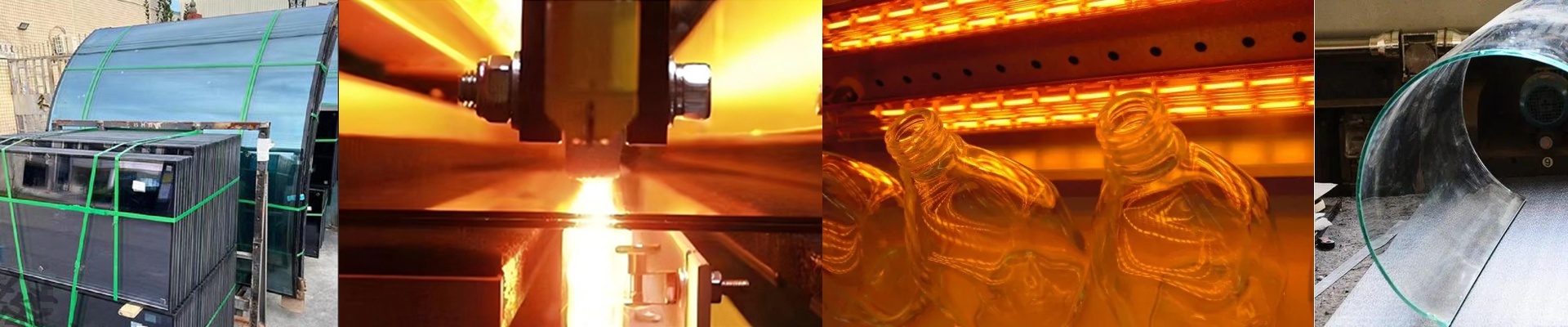
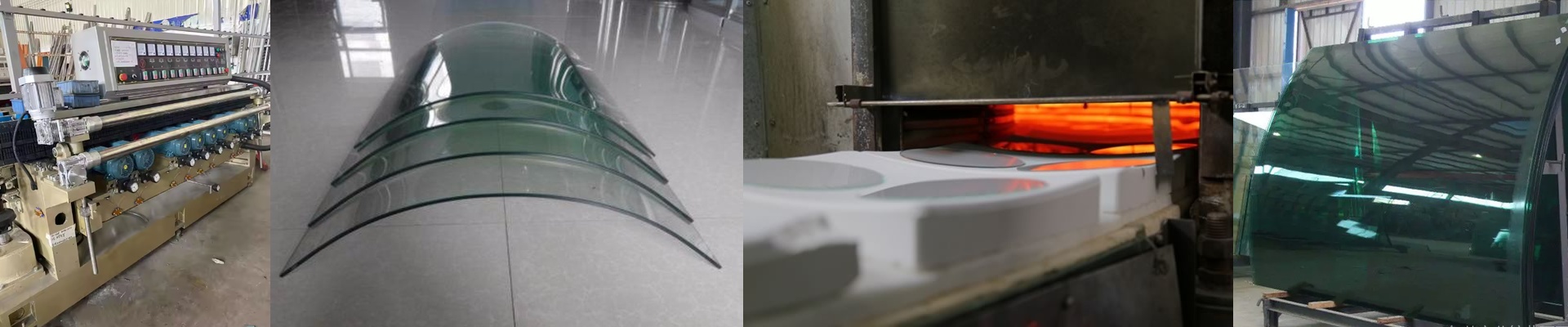
Buying a new heating element won’t magically fix a bad heat profile. In the world of glass bending, the gap between a perfect curve and a shattered piece of glass is tiny—sometimes just a few degrees of difference across the surface. We see it all the time: a shop swaps out their lamps or resistors, only to find the glass is still sagging or stressing. It’s frustrating. And usually, the part wasn’t the problem. The reality of how glass heats up Glass is stubborn. It doesn’t just soak up heat evenly. You’re working with specific viscosity curves, which means if your furnace has a cold spot, the glass stays too stiff. On the flip side, if it’s too hot, the whole thing loses its strength. This isn’t about how many watts your heaters have. It’s about how that energy actually reaches the glass. We look at things like how the furnace walls reflect heat and where the radiation is actually hitting. Putting a high-wattage lamp in a chamber that doesn’t reflect heat well is basically just paying for electricity you aren’t using. Why we show up in person We aren’t interested in just shipping you a box of parts and hoping for the best. We come to your shop with thermal imagers and pyrometers to map out exactly what’s happening inside your furnace. We hunt for those “burn out” zones where the heat just isn’t penetrating. More often than not, the hardware is actually fine. The real culprit is usually the control logic fighting against the thermal mass of the machine. You might think you need more power, but what you actually need is a better way to move the heat around. The risk of pushing too hard It’s tempting to just throw more kilowatts into a smaller space to get your ramp-up speed faster. But that puts a massive amount of stress on your electrical junctions and cooling systems. If we decide a higher density heater is the right move, your ventilation has to be able to keep up. If it can’t, you’re looking at warped furnace frames or fried wiring. We make sure the heat load and the cooling capacity actually play nice together before we touch a single part.