

Shortwave Infrared for Glass Coating: Cutting Drying Time, Boosting Adhesion
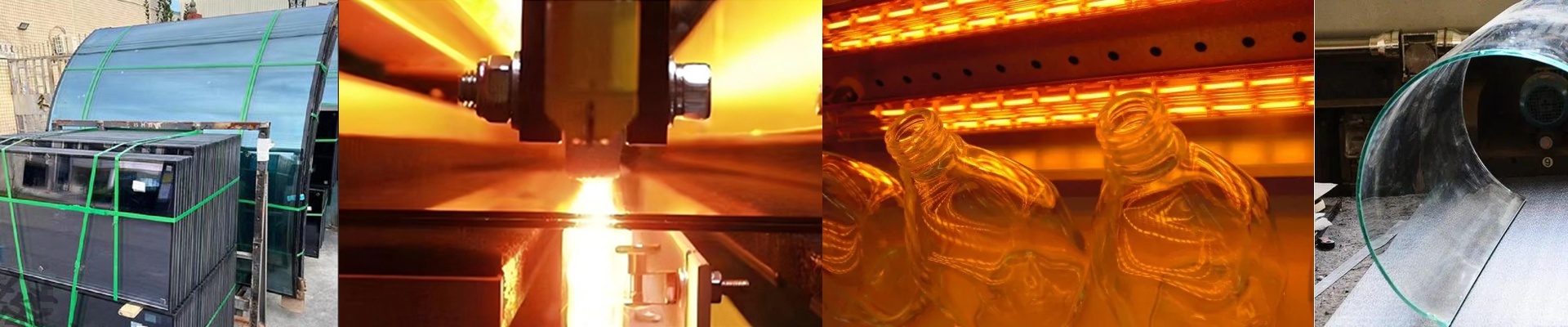
We built these shortwave infrared halogen lamps for one reason: to dry and cure glass coatings faster—without ever compromising the bond. Here’s the difference. Traditional hot air ovens rely on convection, which is slow and only heats the surface. Our shortwave IR delivers concentrated radiant energy straight into the coating. That means shorter drying times and a bond that sticks like it should.
Power, Voltage, and Form Factor
We packed these lamps with serious power, but kept them compact. A typical unit runs at 2500W, wired for 400V, to deliver the heat flux needed for rapid drying. The tube is about 300mm long, which fits neatly into standard coating zones. The payoff? High intensity without the headache of reworking your entire line.
Material and Design: Halogen, Quartz, and the R7s Base
Inside, you’ve got a halogen-filled quartz envelope. Quartz handles sudden temperature shifts and transmits IR cleanly. The halogen cycle keeps the filament stable at high heat, so the output stays steady over the life of the lamp. And the R7s bi-pin base? It’s the practical choice on the floor. Easy to wire. Secure in the reflector. And quick to swap when it’s time.
Why Shortwave IR Beats Hot Air
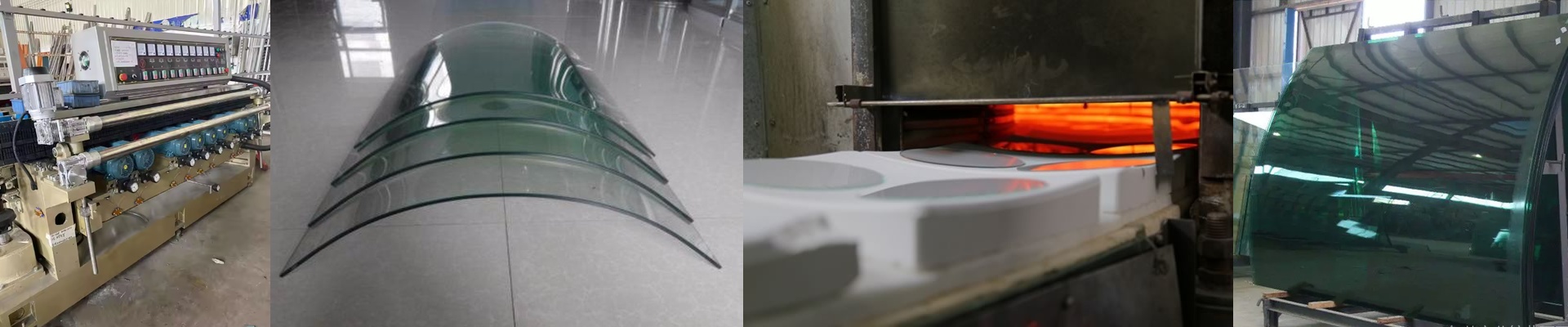
On glass, shortwave IR penetrates the nano-coating fast and heats it from within. Solvents vanish and curing kicks in within seconds, not minutes. The result is a stronger bond and adhesion that’s roughly three times better than hot air drying. That’s because the coating cures evenly, without scorching the surface.
The Trade-Off, and How to Handle It
Let’s be real: that much heat density means you need proper cooling and thermal management. Plan your airflow and reflector geometry so the lamp stays within its thermal limits. Do that, and you get faster cycles, lower energy use, and a process that stays consistent—day after day, right there on the shop floor.