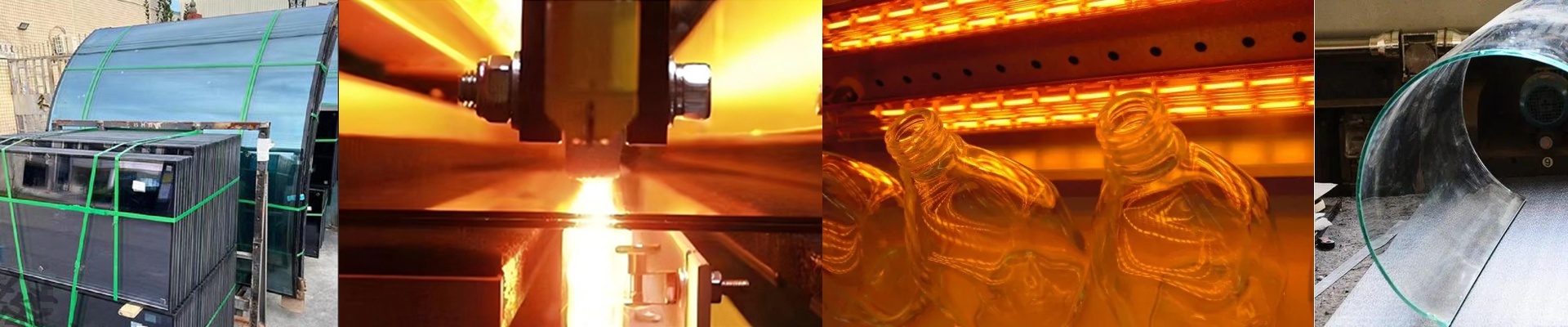
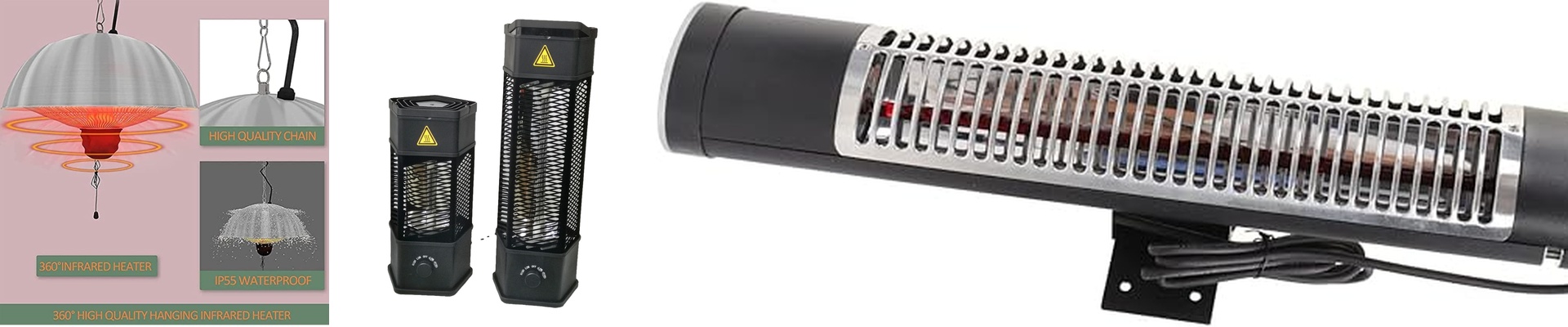

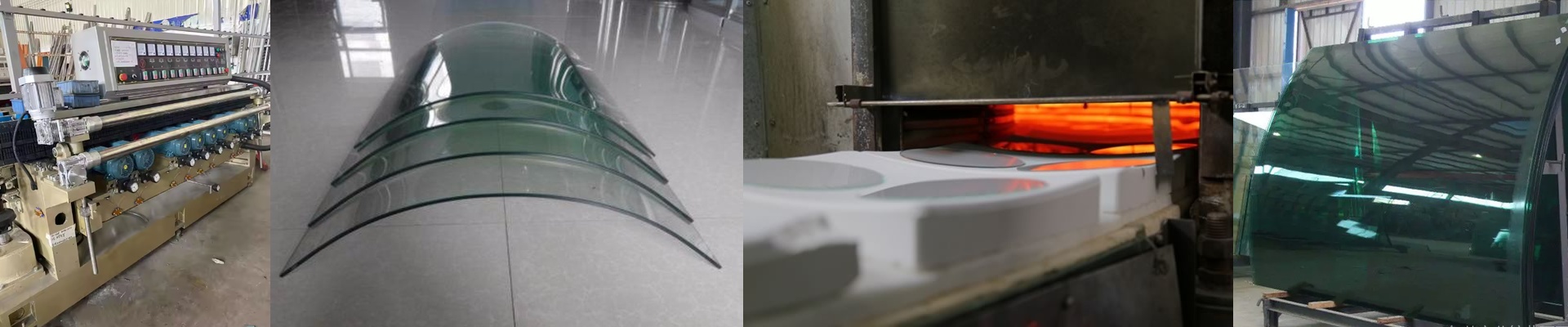
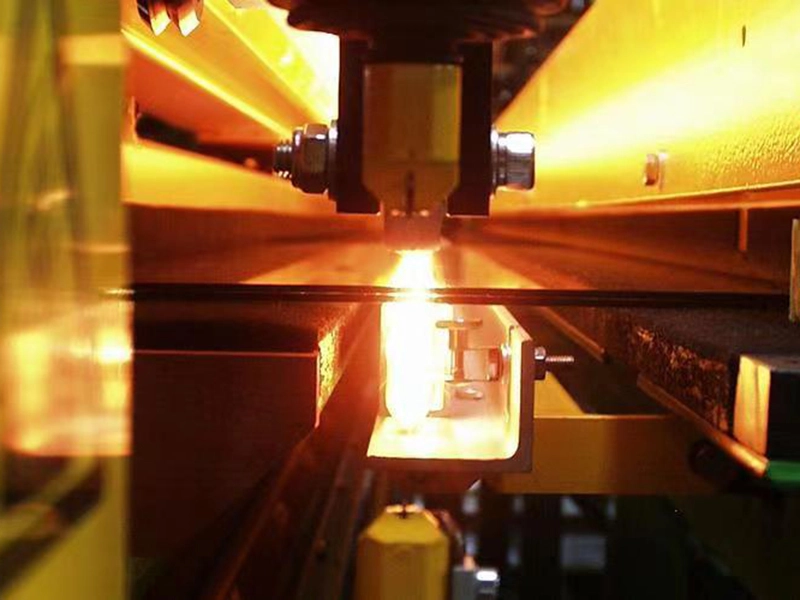
On a glass transfer printing line, the printer is rarely the bottleneck. The dryer is. If the ink layer doesn’t get through its full cure window quickly and evenly, you’ll see ghosting, adhesion failures, and edges that stay tacky. In high-mix production, that’s scrap, rework, and missed takt time. Here’s what matters technically. We design transfer printing dryers around short-wave NIR (near-infrared) emitters. Glass is largely transparent to these wavelengths, while the ink absorbs them hard. That means you heat the coating directly, not the substrate, so you can drive the ink temperature up without overheating the glass and creating thermal stress. The system is built as modular heating zones. Each module has independent power control and a defined irradiance profile, so you can match the cure curve to the ink chemistry and the print density. Output is sized for industrial duty: 24 kW per module, 400 V three-phase, in a compact footprint that drops into existing lines. Quartz windows and the reflector geometry keep the energy where it should be, and the temperature feedback loop is closed at the emitter—no guessing from ambient air. Transfer printing on glass needs a fast, repeatable thermal process. NIR gives you rapid energy delivery, so the ink hits cure temperature in seconds and the line can run at full speed. Because the heat is targeted, the glass stays cooler. That helps you avoid bow and warp that can wreck optical clarity. Zoned control also lets you fine-tune for edge effects—thicker ink at the perimeter, thinner in the field—without over-curing the center or under-curing the edges. In practice, you get fewer rejects, adhesion that holds, and a dryer that keeps pace with the press instead of dragging it down. The short version?The dryer has to match the ink and the line, not the other way around. NIR drying isn’t a simple plug-and-play swap for every oven. You have to hold the emitter-to-glass gap to preserve the irradiance profile, and the conveyor has to keep the glass flat and stable. If the glass flutters, the energy dose changes. The dryer is also sensitive to ink chemistry. Some binders cure with convection heat, others with radiant absorption, so we match wavelength and power density to the ink. Plan for clean quartz surfaces, and confirm your line’s voltage and cooling capacity before integration.