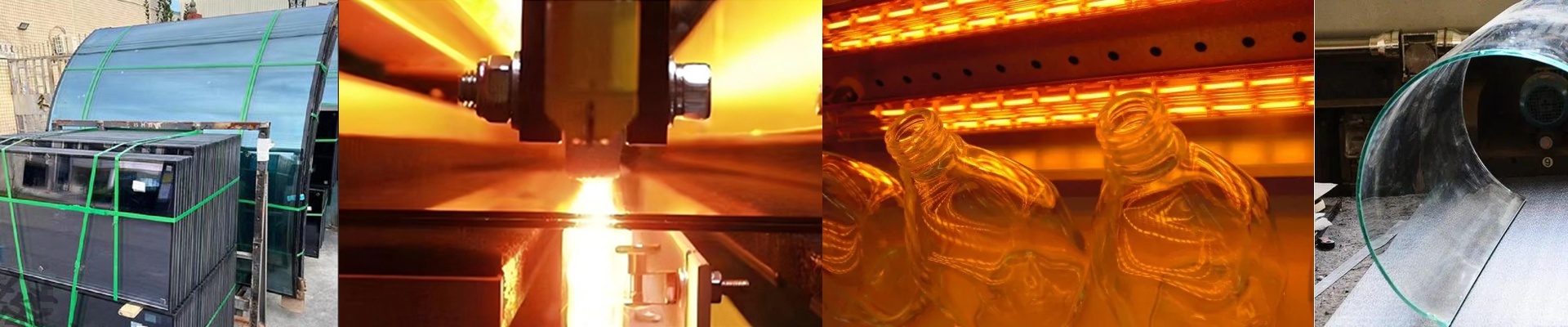



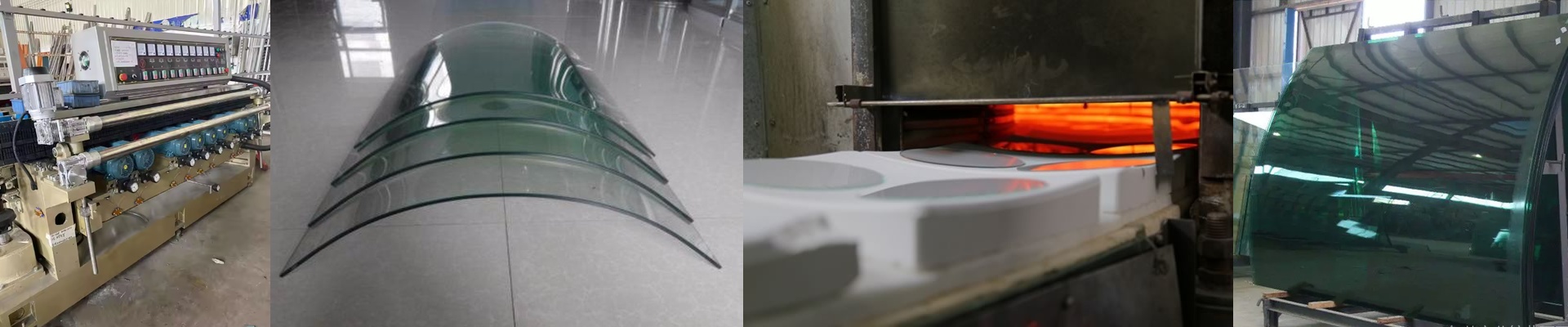
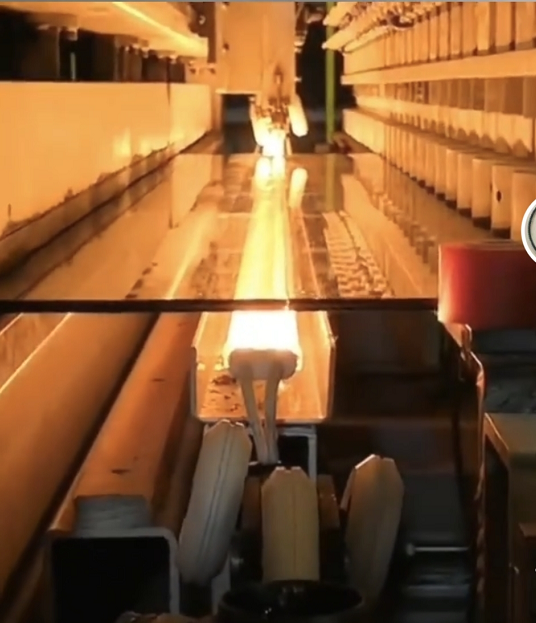
On the glass tube line, the cutting station is where you balance speed against control. If the heater doesn’t pull its weight, the score line comes out ragged, micro-cracks spread, and scrap starts piling up. You need a heat profile that stays steady, reacts fast, and keeps the line moving without second-guessing. What matters under the hood We run short-wave quartz infrared emitters that dump energy straight into the glass wall. You can spec them at 230 V or 400 V, and we tune the power density to the tube diameter and wall thickness—typically 2–6 kW per module. The heating zone is sized to give you a narrow, uniform thermal band so the glass hits scoring temperature quickly while the ends stay cool. Control comes through a solid-state relay with PID feedback from a pyrometer, holding setpoint within ±10 °C even when the line speed changes. The quartz envelope handles thermal shock well and keeps emissivity consistent, so output stays stable through the usual thermal cycling. Why it plays well on the floor It’s practical. Short-wave energy heats the glass directly, not the air around it, so you waste less heat and cut kWh per cut. Tighter temperature control gives you a cleaner score line, fewer edge defects slipping downstream, and higher finished-goods yield. The quartz emitters and solid housing also mean fewer service calls, which translates into fewer spare parts on the shelf and less technician time. The result is fewer emergency stops, more uptime, and a steady drop in per-piece cost. What you’ll want to keep an eye on Installation is straightforward, but the heater has to be aligned to the tube axis and focused right on the scoring point. Miss by a few millimeters and the score will wander. Keep the reflectors clean and stick to a schedule for checking pyrometer calibration—dust and misalignment will drift your thermal profile. If you run multiple tube diameters, plan the changeover with preset positions and documented power curves. Make sure the power supply and connector specs match your machine, and confirm clearances so nothing contacts the moving cutters.