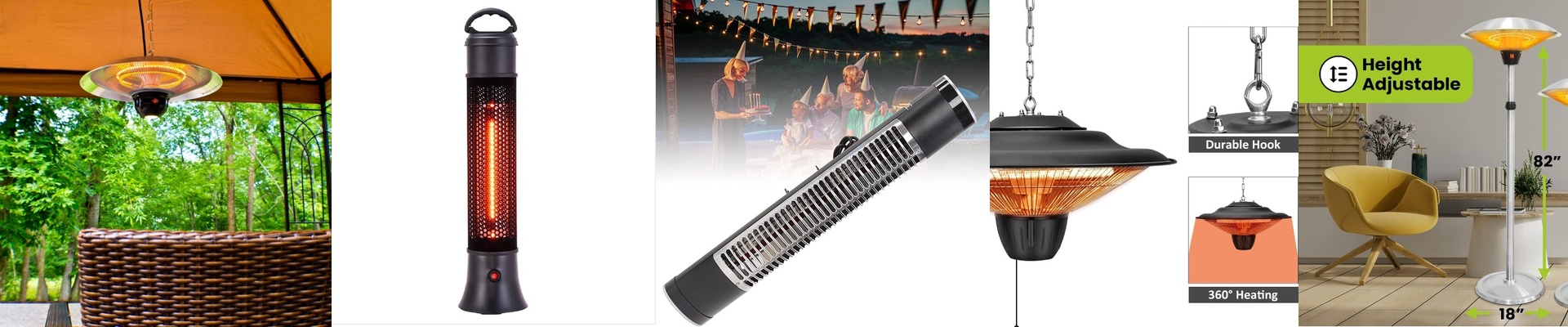
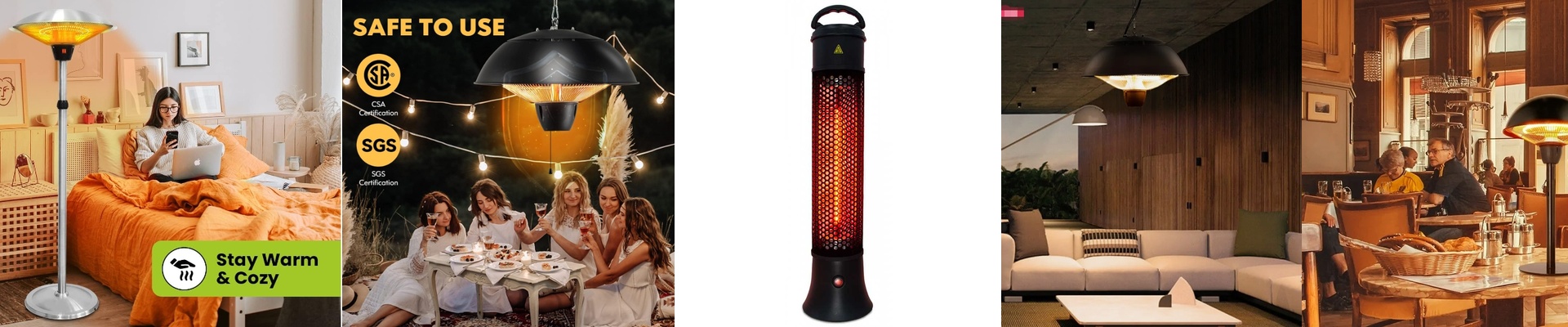
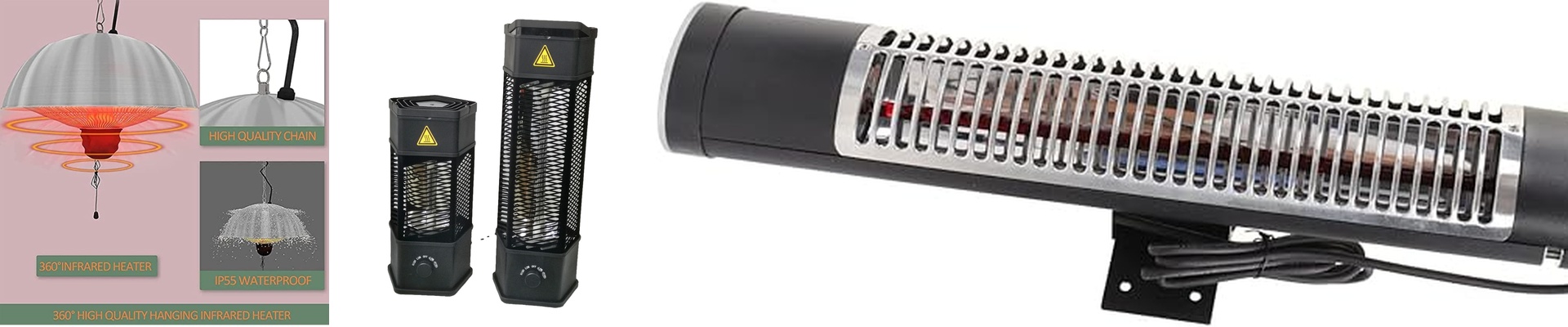
Stop Letting the Cold Kill Your Patio Profits
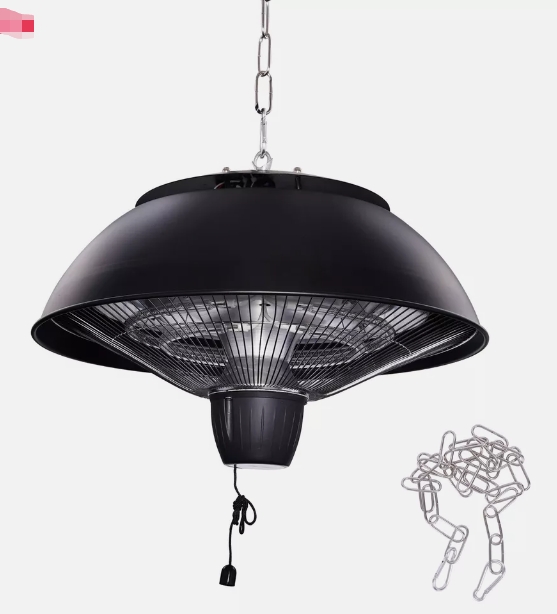
It sucks when you’ve got a beautiful outdoor space, but the second the temperature drops, your guests scramble for the indoor booths. Or worse, they just don’t show up at all. You’re losing money every time a table stays empty because it’s too chilly. We fix this with ceiling-mounted infrared heaters. Here is the secret: most heaters try to warm up the air. That’s a waste of time and money, especially outside where the wind just blows the heat away. Infrared is different. It warms people and objects directly.
How it actually works
Think of it like the sun. When you step into a sunbeam on a crisp autumn day, you feel that instant warmth on your skin, even if the air is still cold. That’s exactly what these heaters do. By mounting them on the ceiling, we create a “heat throw” that comes from above. Your guests feel cozy and warm, but they don’t feel that weird, drafty breeze you get from those standing propane towers.
Getting the layout right
You can’t just throw a few heaters on the ceiling and hope for the best. That’s a recipe for disaster. If you put a high-powered unit too low, you’ll literally bake the tops of your guests’ heads while their feet are freezing. Too high? The heat vanishes before it ever reaches the table. We spend a lot of time on the “heat map.” We usually go with a staggered grid. It ensures there are no awkward cold spots, so every single seat in the house feels just as comfortable.
The bottom line
When people are warm, they linger. They order that extra round of cocktails. They actually look at the dessert menu. If you can turn your “seasonal” patio into a year-round money maker, the equipment usually pays for itself in a single winter. But, there is one catch. These systems pull a lot of power. Before you dive in, we need to look at your breaker panels. If your wiring isn’t up to the task, you’re going to trip the power right in the middle of a Friday night rush. It’s a bit of an upfront investment in your electrical setup, but it’s the only way to make sure the lights—and the heat—stay on.