

Why we basically torture our bathroom heaters
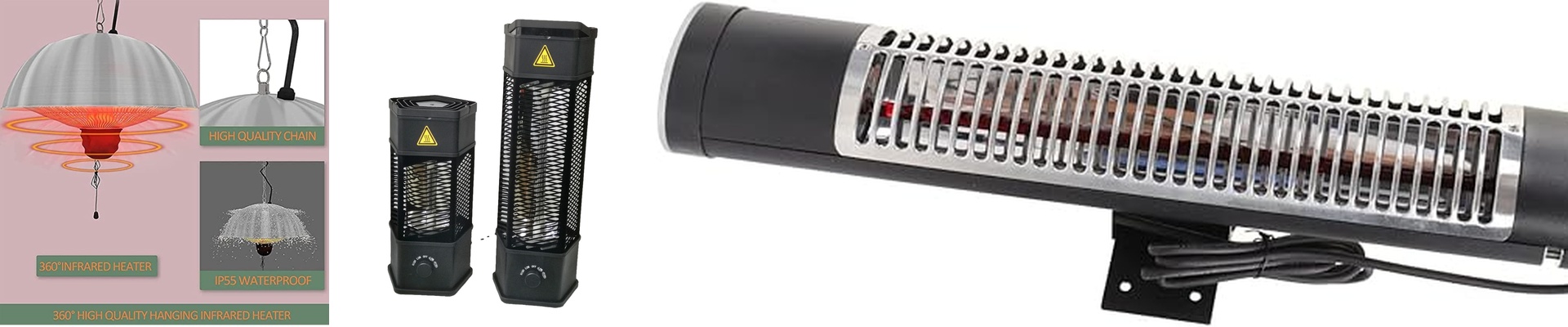
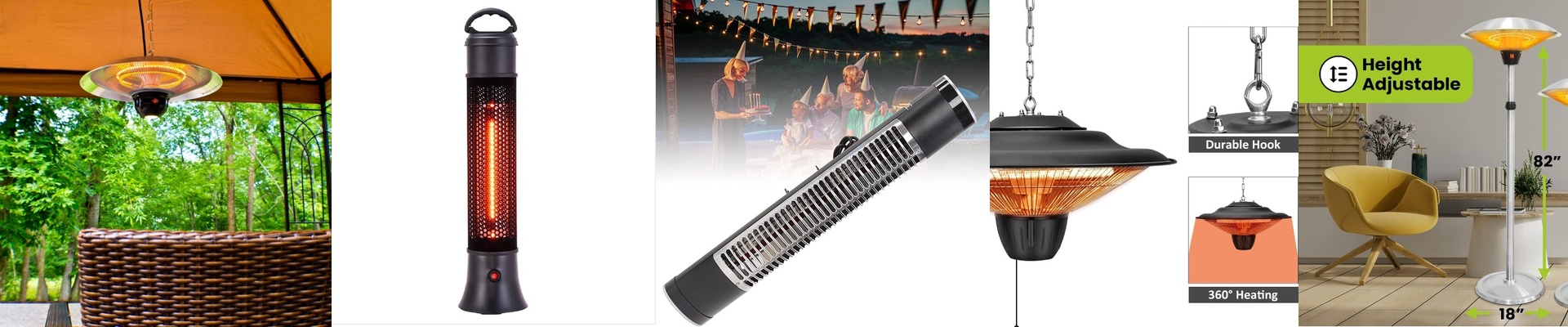
Let’s be honest: bathrooms are a nightmare for electronics. You’ve got thick steam, wild temperature swings, and water vapor that seems to get into everything. If you’re selling an IP65-rated infrared heater, just splashing some water on it isn’t enough. We don’t want to find out if a unit is “good enough” after you’ve already installed it. That’s why we put them through damp-heat aging tests. We basically try to break them in the lab so they don’t break in your customer’s house.
The hidden problem with humidity
Here’s the thing about water vapor: it doesn’t just sit on the surface. It sneaks in. Over time, moisture can crawl past seals and settle right on the heating element’s terminals. That leads to oxidation. And when you’re dealing with high-voltage circuits, any bit of corrosion creates resistance. Resistance creates heat. Lots of it. Before you know it, the terminals burn out or the fuse pops. To stop that, we cycle our heaters through extreme heat and humidity for days. If a seal is going to leak, we want it to happen here, not in the field.
The IP65 balancing act
Now, an IP65 rating is great. It means the unit is dust-tight and can handle a jet of water. To get there, we use heavy-duty gaskets and sealed cable entries. But there’s a catch. When you seal a unit that tightly, you’re also trapping the heat inside. If the internal wiring isn’t up to the task, that “heat soak” can actually make the insulation crack and degrade. Our aging tests make sure the internals can take a beating from both sides—the steam outside and the heat inside—without shorting out.
Real-world reliability
We aren’t interested in “theoretical” durability. That doesn’t help anyone. We care about what actually happens when things go wrong. By forcing these heaters to fail in our lab, we make sure the ones you install won’t trip breakers or—even worse—leak current into the chassis. It’s the only way to be sure the hardware survives a real, steam-filled bathroom.