
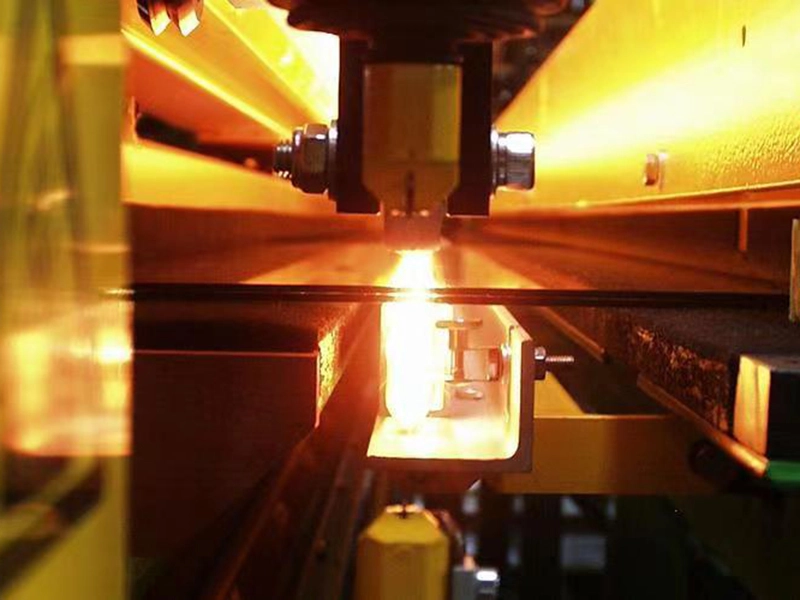
Stop Your Glass from Cracking During Tempering
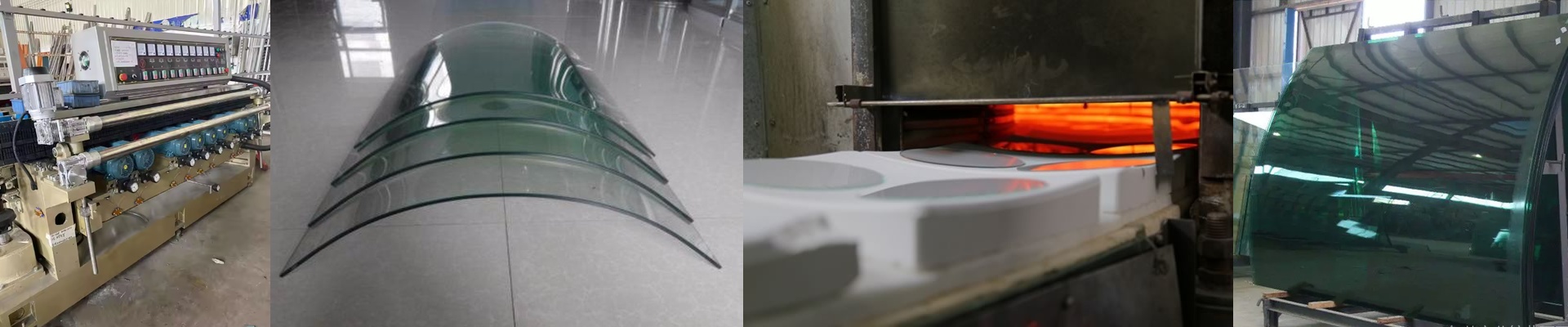
Anyone who’s worked with glass knows the frustration. You’re in the tempering phase, things seem fine, and then—snap. A crack ruins the whole piece. Usually, it’s because the temperature shift was just too aggressive. The surface gets too hot before the middle can keep up, and the glass simply gives up. To fix this, we use quartz infrared lamps. The secret isn’t just the heat; it’s how fast you can turn that heat on and off.
Why Speed Matters
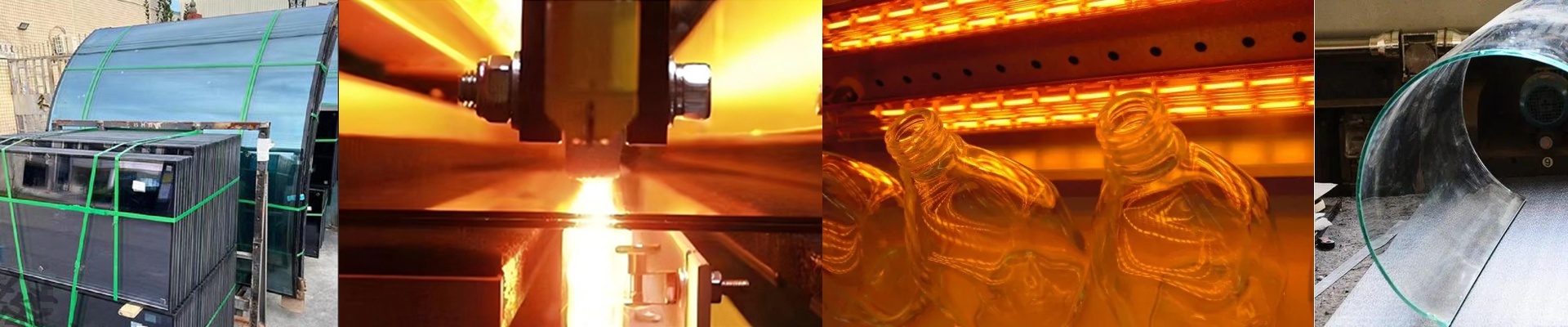
Think of it like a light switch. Old-school resistive heaters are like heavy cast-iron pans—they stay hot long after you turn the stove off. That lag is what kills your glass. Quartz lamps are different. They have almost no “thermal mass,” meaning they react instantly. When your PLC tells the power to drop, the infrared radiation stops right then and there. No lingering heat. No guessing. This lets you keep the temperature in a very tight window, giving the core of the glass time to catch up without scorching the surface.
The Gear Under the Hood
We use high-purity quartz for the envelopes because they can handle the brutal internal heat needed for shortwave IR. This lets the filament run hotter and push more energy into the glass in a fraction of the time. You get a ton of power without needing a massive machine. But a heads-up: these things getscary hot. The quartz can take it, but your wiring and sockets might not. If you use cheap housings or the wrong wattage rating, you’re going to see things start to melt. Check your sockets. Seriously.
Making it Work in Your Oven
To actually put these into a production line, you’ll need a fast-switching power supply—usually SCR controllers. This is what lets you tweak the wattage on the fly based on how thick your glass is or how fast the line is moving. One last thing to watch out for: your cooling system. If your fans or vents aren’t beefy enough to handle the heat bleeding off the lamps, your baseline temperature will start to drift. And once that happens, your whole tempering cycle is out of whack.