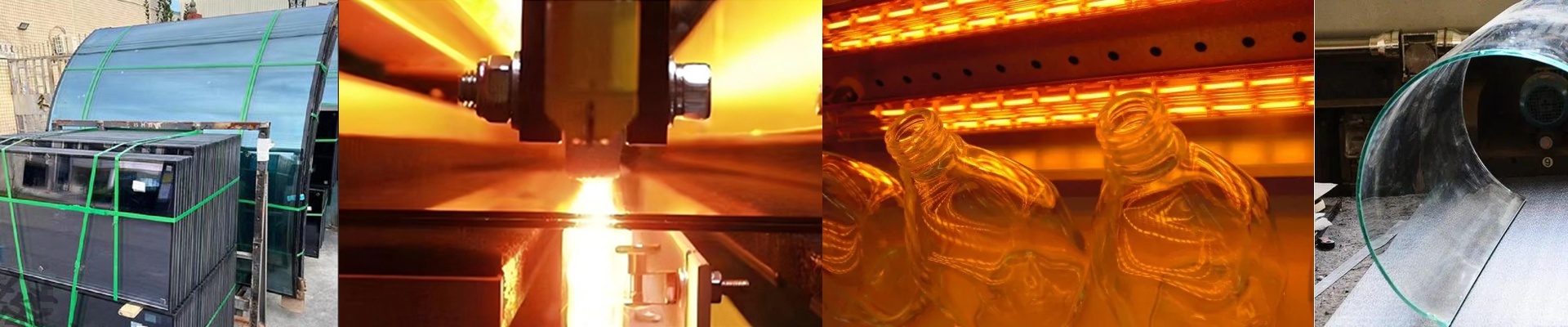

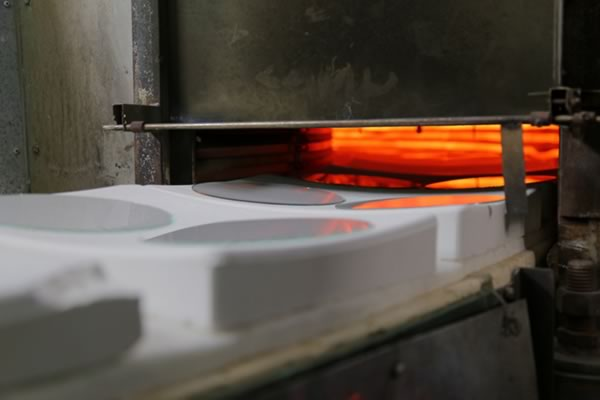
Cutting ultra-thick glass is a nightmare for your equipment. If you’ve ever tried to score a cold, heavy plate, you know the feeling. The glass fights back. It resists the blade, and before you know it, your cutting wheel is chipped or completely burnt out. It’s frustrating and expensive. We found a way around this. We put high-penetration quartz infrared heaters right in the cutting path. Here is how it actually works. Most heaters just warm up the surface, which doesn’t do much for thick glass. You need shortwave infrared radiation. Instead of bouncing off the top, this energy sinks deep into the glass. It basically softens the material right where the score line is going to be. By the time the blade hits, the glass isn’t fighting you anymore. The blade just glides through. It feels effortless. To get this right, we use quartz tubes with high power density. We pack a lot of wattage into a small space so the heat stays focused exactly where it needs to be, rather than wasting energy on the rest of the plate. One heads-up: you have to get your power supply exactly right. If the specs don’t match, you’ll either end up with glass that’s too cold to cut or a filament that pops the second you flip the switch. The best part? Your tools actually last. Because you aren’t slamming a tungsten carbide or diamond edge into a rigid wall of cold glass, the wheels hold up much longer. You get way more meters out of every single blade. But there is a trade-off. These lamps get hot—really hot. If you skimp on the cooling fans or heat sinks, your sockets will degrade or your machine frame might actually warp. Also, keep an eye on the surface temperature. If the glass gets too hot too fast, you risk thermal shock. Nobody wants to see a massive plate spontaneously crack right in the middle of a cut.