Getting the Heat Right: A Real Talk on Medium Wave Quartz Tubes
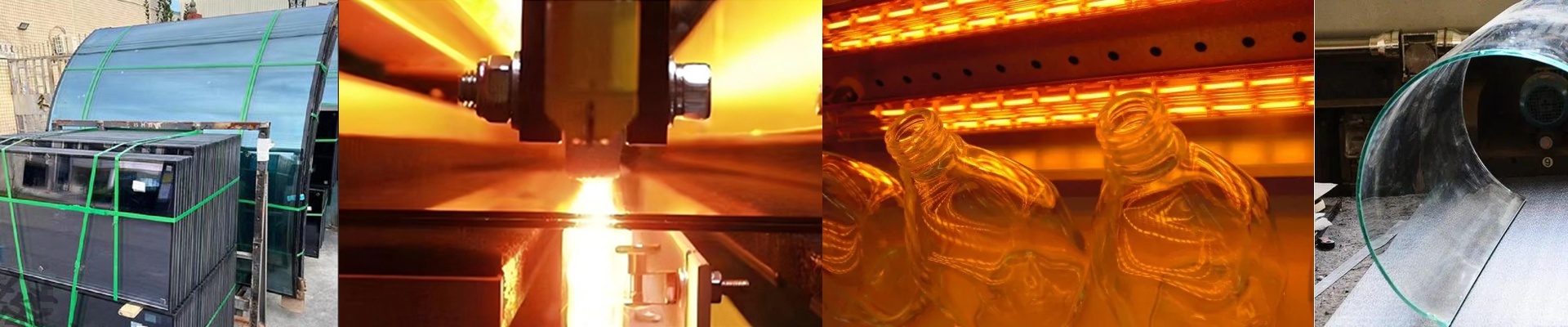
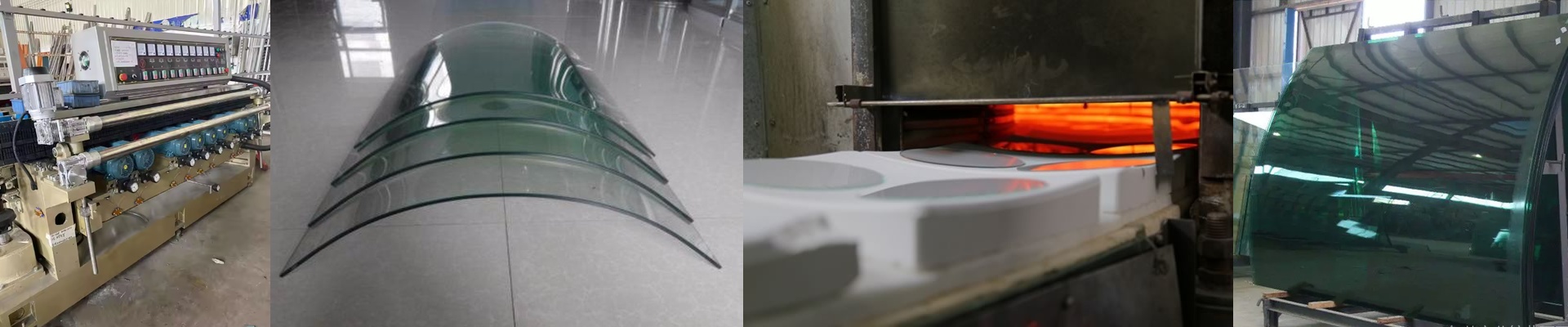
If you’ve ever tried using a standard, off-the-shelf quartz heater in an R&D lab, you know the frustration. They’re designed to be uniform. But when you’re messing around with new glass materials, “uniform” is usually the last thing you actually want. You need gradients. You need to push the material to its breaking point or watch exactly how it shifts phases. A generic tube just won’t cut it.
It’s Not Just About the Size
Most shops will ask you for the length and diameter and call it “customization.” That’s basic. We look atpower density. Here’s the thing: by playing with the wire gauge and how tightly we wind the filament, we can actually move the heat around. If you need a scorching hot spot right in the center that fades out toward the edges, we just wind it tighter in the middle. It kills that annoying “cold-end” effect you get with the cheap stuff. Instead of guessing, you get a thermal map that actually fits your material.
The Reality of Quartz and Heat
We use high-purity quartz because, frankly, we don’t want your tubes warping the second you crank up the wattage. We stick with medium wave radiation because it digs deeper into the glass—which is a lifesaver if you’re working with thick-walled samples. But there is a catch. Quartz has some thermal lag. These tubes don’t snap to temperature as fast as a halogen lamp does. You’ll need to be mindful of that ramp-up time when you’re tuning your PID, otherwise, you’re going to overshoot your target and potentially ruin a sample.
Making the Lamp Fit Your Life
For the engineers in the trenches of glass research, the last thing you want to do is rebuild your entire machine just to accommodate a lamp. So, we do the opposite. We build the lamp to fit your machine. Need a specific voltage to match an old power supply? A weird footprint so you can fit a sensor in there? We can wire it. Plus, when the power density is dialed in correctly, you don’t have to mess around with bulky external shielding. The heat goes exactly where the material is. Your electronics stay cool, your energy bill stays lower, and your workspace doesn’t feel like a sauna.