
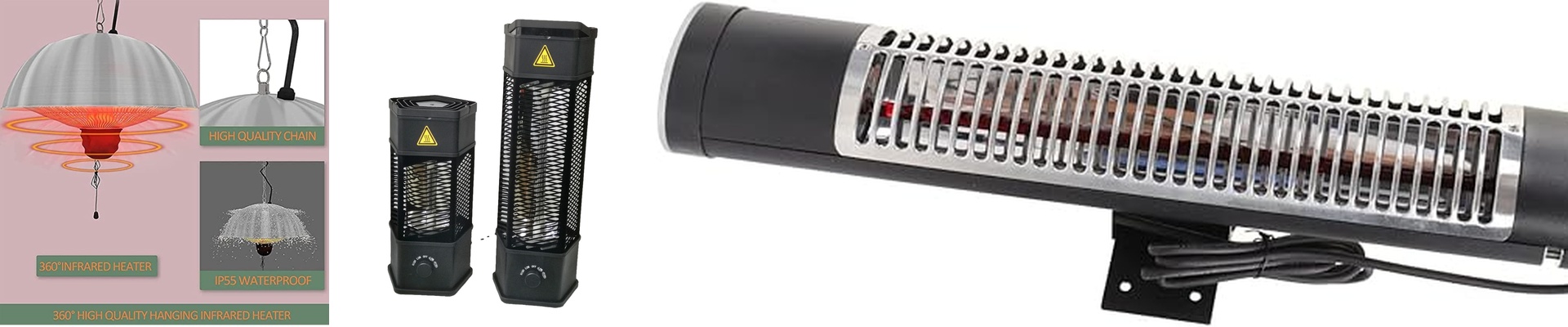
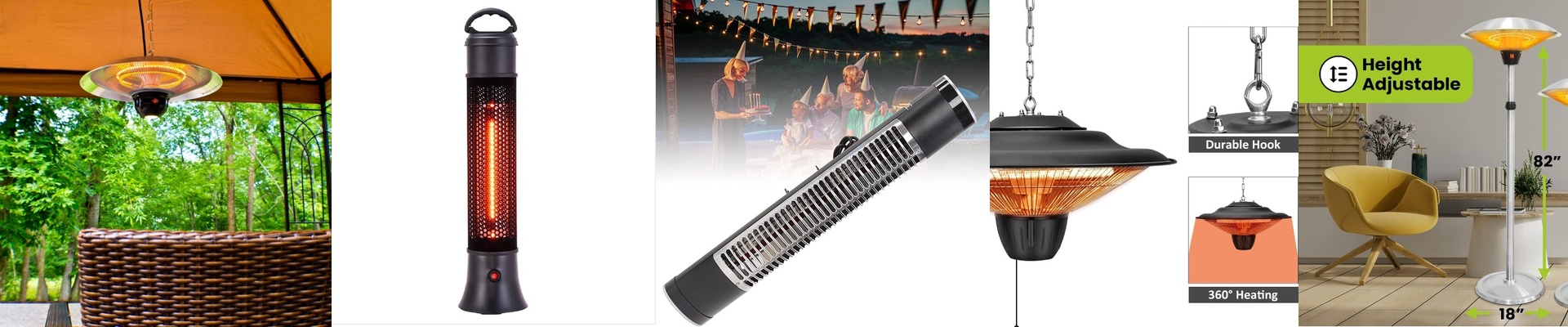
Why Your IP55 Table Heaters Keep Dying (And How to Fix It)
If you’ve dealt with IP55 infrared heaters, you know the frustration. You buy a unit, it works great for a while, and then—bam. It quits. Here is the secret: it’s almost never the heating element that gives out. The real culprit is the lead-wire entry point. Think about it. You’ve got a quartz tube getting incredibly hot, right next to where the electrical wires plug in. Most companies just slap some basic adhesive on that joint. But when that heater goes through constant heat cycles, that cheap glue bakes, gets brittle, and cracks. Once a tiny crack opens up, moisture sneaks in. Then comes the oxidation, a short circuit, and a dead heater.
The trick to a seal that actually lasts
We do things a bit differently. Instead of the generic silicone you find in cheap OEM builds, we use high-grade ceramic-epoxy composites. Why? Because of how things expand when they get hot. If your sealant expands faster than the quartz glass, it literally pulls away from the tube. That creates a gap. And that gap is exactly where your shorts start. We use materials that move with the glass, keeping everything tight. It stops the “wicking” effect too. You know, when moisture basically crawls along the wire insulation and drips straight into the heart of the heater. Not ideal.
The IP55 trade-off
IP55 is great for dust and those low-pressure water jets you deal with during a wash-down or on a humid factory floor. But there’s a catch. When you seal a unit that tightly, you’re trapping heat around the lead wires. If you’re running these things 24/7 at max wattage, that insulation can still fry over time if the housing isn’t vented right. **Pro tip:**Don’t just look at the room temperature when picking your cable jackets. Look at the actual operating temp of the machine. It’s a huge difference.
It’s all in the process
You can buy the fanciest wires and the highest-quality tubes in the world, but it doesn’t matter if the potting process is rushed. We obsess over the curing time and the pressure of the seal. It ensures the lead-wire stays exactly where it belongs, so you aren’t putting mechanical stress on the quartz seal when you’re installing it. It’s a small detail, but it’s the difference between a heater that dies in six months and one that keeps humming along for three years.