Why we don’t mess around with quartz in bathroom heaters
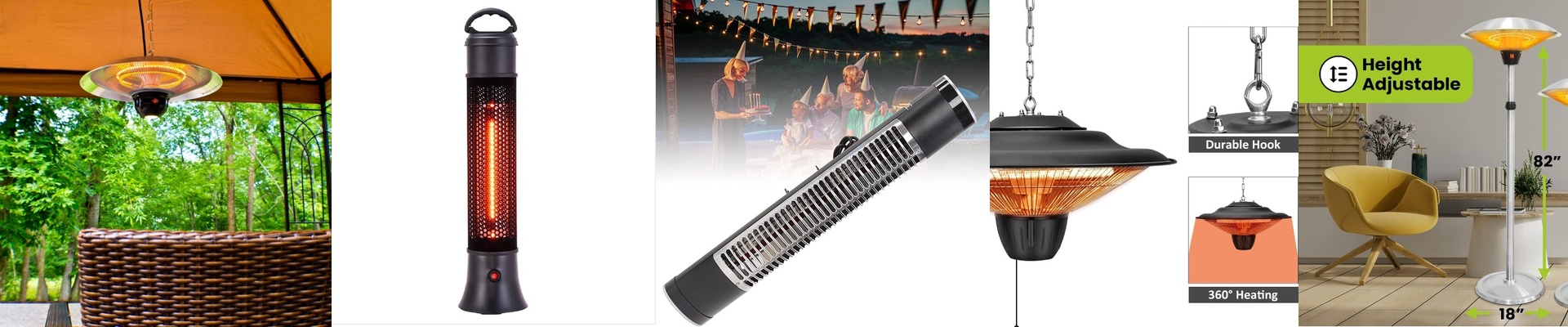
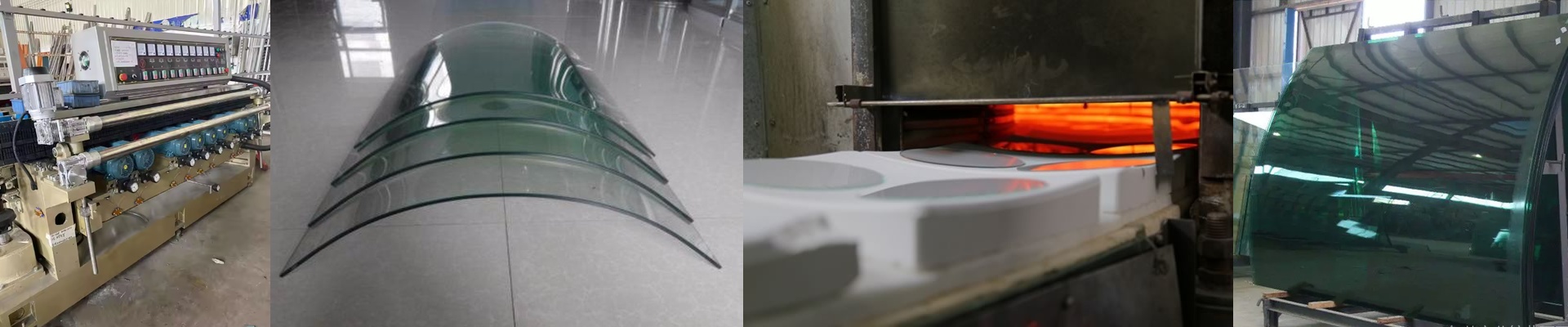
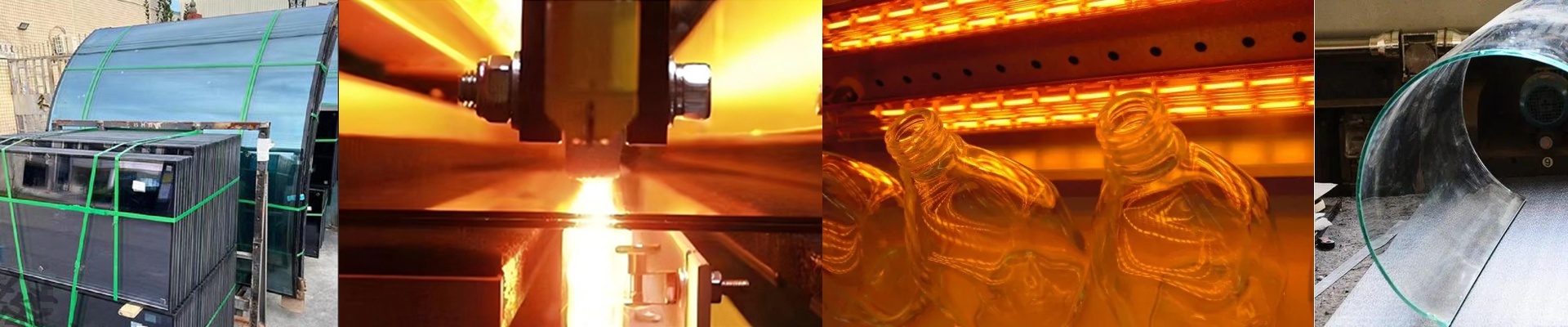
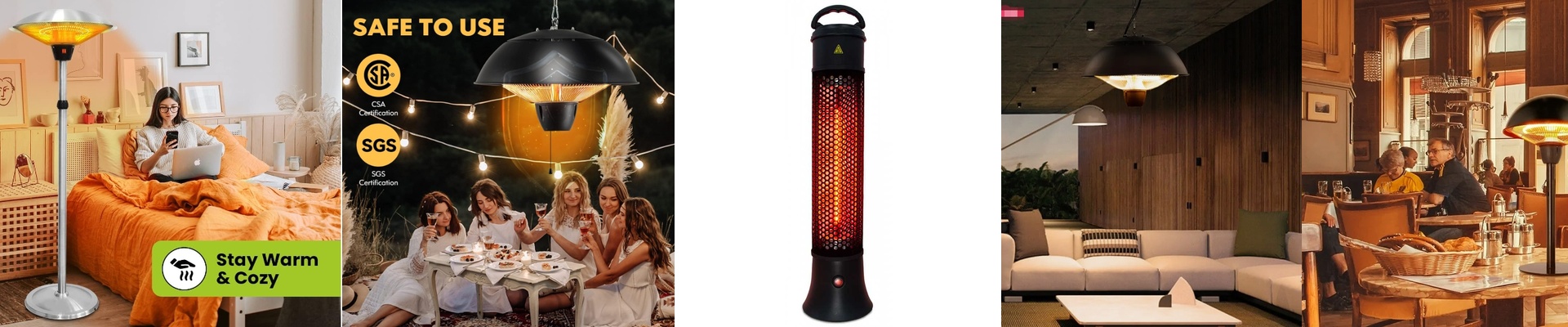
Bathrooms are tough on gear. You’ve got steam everywhere, and the temperature swings are brutal. Imagine a heating element glowing at 800°C, and then—bam—a stray splash of cold water hits it. With regular glass, that’s a recipe for disaster. It shatters. That’s why we use explosion-proof quartz. It’s not just a feature; it’s about making sure your morning shower doesn’t turn into a safety hazard. The “Thermal Shock” Problem Here’s the thing: even good quartz has its limits. When moisture settles on a hot tube, it creates these tiny, freezing cold spots. The inside is screaming hot, the outside is cold, and that tension puts a massive amount of stress on the glass. We use a specific type of quartz that’s engineered to handle this. If it ever does crack, it doesn’t just explode into a thousand sharp shards. It’s designed to fail safely, or better yet, just shrug off the stress entirely. Getting the heat to you (fast) We stick with high-purity quartz for a simple reason: it lets short-wave infrared radiation fly right through. Instead of wasting time heating up the air in the room, the heat hits your skin almost instantly. It feels like stepping into sunlight. Most of our tubes run between 400W and 800W, and we pair them with mirrored reflectors to make sure that heat is aimed exactly where you want it. The reality of installation You can’t just toss these into any old fixture and hope for the best. Precision matters. If the tube isn’t aligned perfectly in the reflector, you get hotspots that can actually melt the housing. And if you’re going for a high-wattage setup to get that “instant warm” feeling, you’ve got to check your wiring. If the gauge is too thin, those terminal blocks will overheat. Cheap tubes are a gamble. They burn out quickly or crack the moment things get steamy. When you’re installing something directly over a shower, using explosion-proof quartz is just the only way to do it right.