
Let’s Talk About That Blinding Bathroom Heater Light
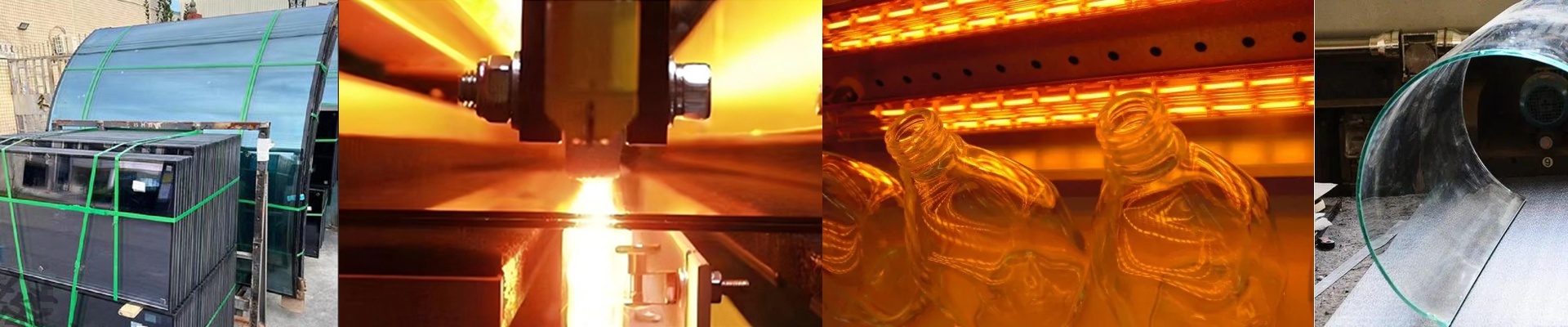
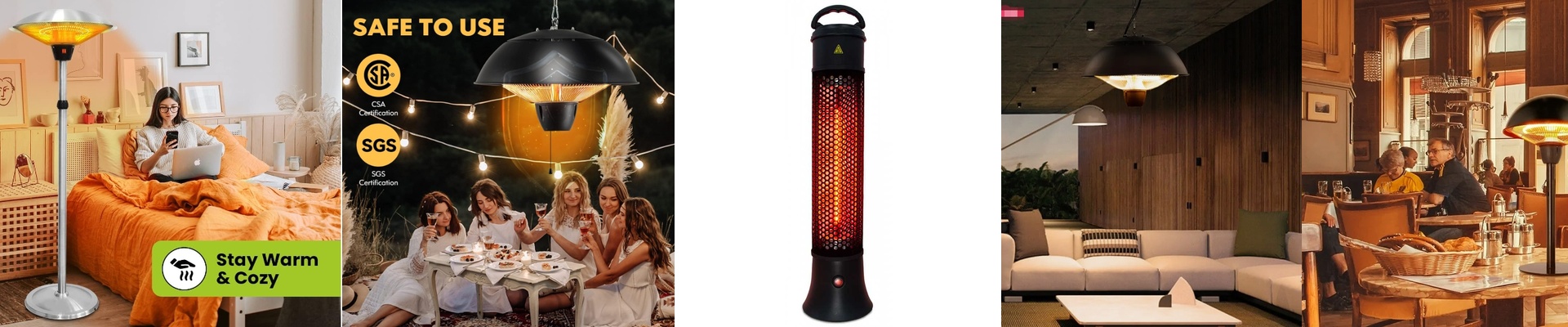
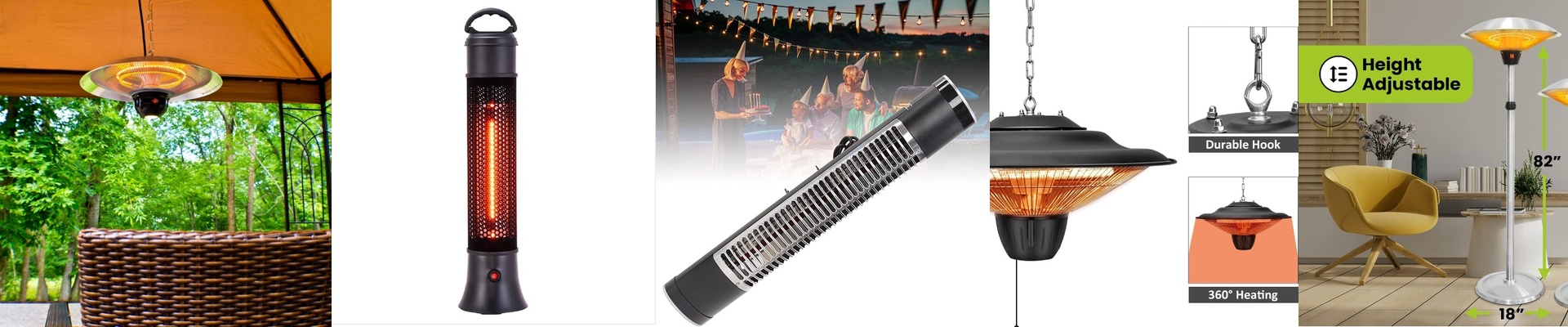
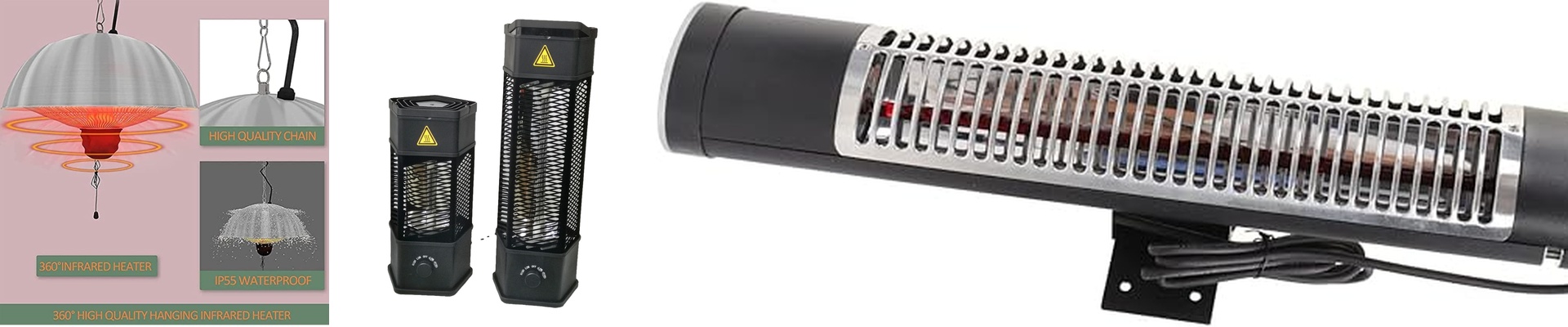
Ever stepped into a bathroom, flipped on the wall heater, and felt like you were staring directly into the sun? Most of these heaters use short-wave infrared. It’s great because it warms you up the second you turn it on, but that glare is a real problem. It’s harsh. And if you’ve got a baby in the house, those sensitive little eyes really shouldn’t be dealing with that kind of intensity. Here is how we fix that. Taming the Glow We don’t just “turn down the brightness”—that would kill the heat. Instead, we use specific coatings and tinted quartz glass. Think of it like sunglasses for your heater. It blocks the blinding white light but lets the actual heat waves slide right through. You still get all that cozy warmth, but instead of a flashlight in your face, you get a soft, low-frequency glow that doesn’t strain your eyes. What’s Under the Hood We use high-purity quartz tubes to keep the heat steady. We also pay a lot of attention to how the heating element is wound. If it’s not perfect, you get “hot spots,” and that’s usually when a heater burns out way too soon. Since bathroom walls are usually cramped, we keep the unit small. But since it gets hot, we can’t just use cheap plastic. We stick to aluminum or high-grade, heat-resistant polymers so the casing doesn’t warp or melt when you’re using it. And for the practical stuff? We use standard R7s snap-in connectors. If the bulb ever goes, you can swap it out in seconds without a headache. A Couple of Things to Watch Out For Instant heat is amazing, but it comes with a catch. These things get intense. If you mount the heater too close to a wall that can burn, or if you don’t leave enough room for air to move, the thermal cut-off switch will probably trip and shut everything down. Also, make sure your wiring can actually handle the peak wattage. If the wires are too thin, you’ll get voltage drops, and your lamp will start flickering. Nobody wants a strobe light in their bathroom.