Getting Low-E Glass Preheating Right (Even at 3 Meters)
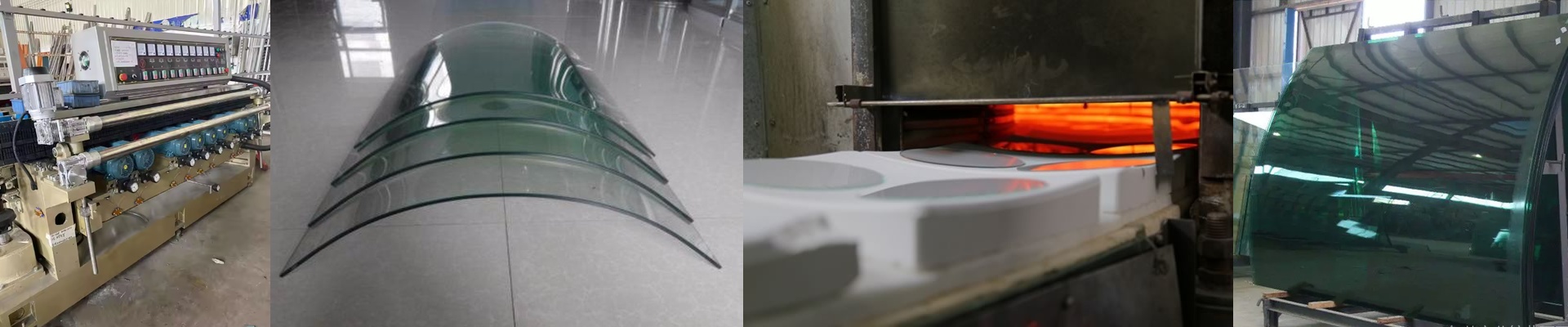
If you’re working with wide-format Low-E glass, you know the struggle. Trying to heat a 3-meter span without leaving cold spots is a nightmare. Most off-the-shelf heaters just can’t handle that kind of scale, which is exactly why we build our twin-tube infrared elements.
The struggle with the “Big Stuff”
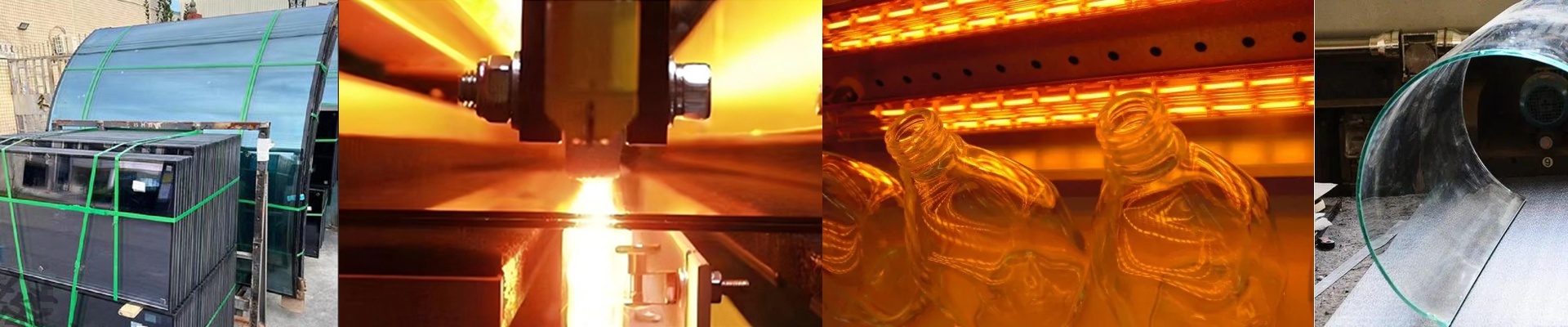
Here’s the thing: standard infrared lamps aren’t meant for these lengths. Once you push past 3 meters, you start fighting voltage drops and shaky filaments. It’s a mess. We fixed this by using a twin-tube setup. By doubling the radiating surface in one compact spot, we keep the heat steady from one end to the other. No more worrying about edge-curl or those annoying uneven coatings you get when you try to stagger a bunch of shorter lamps. It just feels consistent.
What goes into the build
We don’t cut corners on the materials. We use high-purity quartz because it can actually take the thermal beating these units go through. Plus, we can tune the wattage per meter to fit your specific line speed. We also beefed up the electrodes and seals so the lamps don’t just burn out at the connection points. And since these things are huge, we include custom mounting brackets. Without them, the quartz would eventually sag under its own weight once it gets hot.
A few things to keep in mind
Now, there are some trade-offs. Running a 3-meter continuous element pulls a lot of power. You’ll want to double-check your transformers and wiring. If you don’t, you risk overheating your control cabinet, and nobody wants that. Then there’s the distance. These lamps pack a punch, so you have to get the spacing just right. Too close? You’ll fry the Low-E coating. Too far? Your cycle times crawl. The easiest way to handle this is to plug in a PID controller with a thermocouple. It keeps the surface temp locked in so you can actually stop worrying about it.