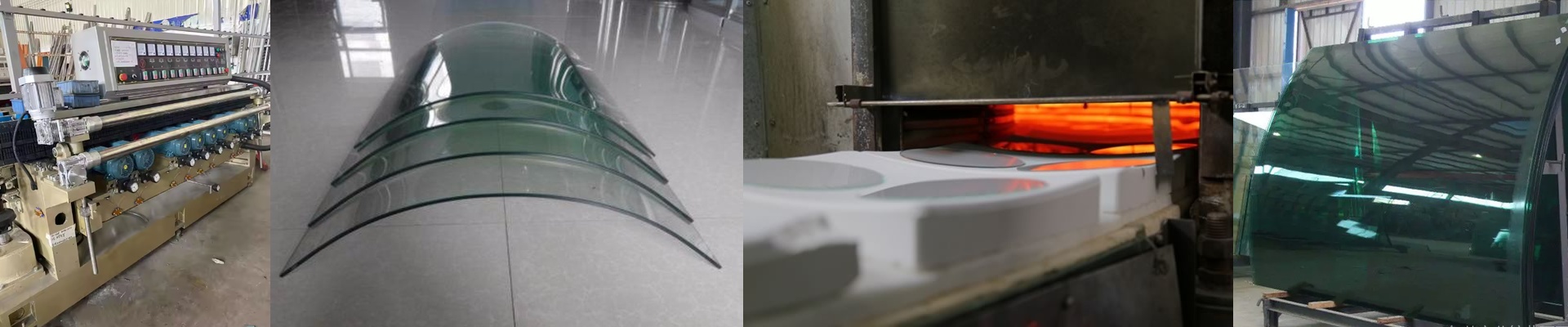
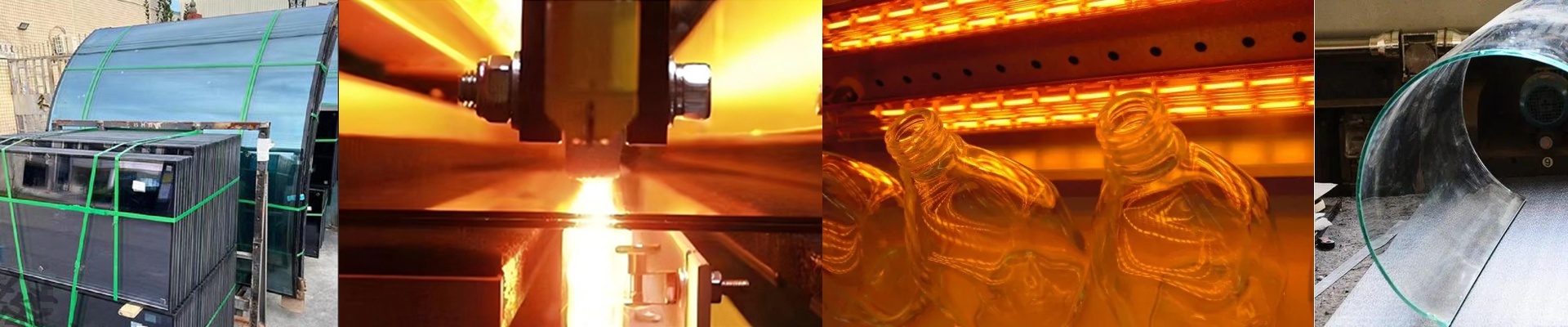
Out on the glass line, forehearth temperature isn’t just another setting you glance at. It’s the boundary condition that decides whether the ribbon stays honest or starts fighting you. When the heat profile drifts, you know it instantly—edge stress, optical distortion, and tempering failures that show up as spontaneous breakage after forming. The forehearth heating element has to deliver stable, repeatable heat right where the glass is exposed, without stirring up convection that wrinkles the melt surface. What matters, technically We build the forehearth heating element around short-wave infrared (NIR) quartz emitters, because they throw directional radiation and switch fast. In practice, that means the element heats quickly when line speed changes and cools quickly when the glass flow drops, so the temperature band doesn’t overshoot. The payoff is a more uniform thermal field across the forehearth width—fewer hot spots, fewer cold bands—so you don’t drag thermal stress into bending, coating drying, or tempering. Why it holds up in real processing Glass work lives and dies on consistent heat delivery, and the forehearth is where that consistency is either made or broken. With NIR, you get rapid recovery after a line stop, so you spend less time chasing process temperature. That means fewer off-spec sheets, better throughput, and less scrap. Energy use drops too, because the element isn’t idling against convection losses—heat comes on demand, and the faster response keeps temperature swings from amplifying variability downstream. A few shop-floor details NIR forehearth elements are particular about mounting and clearance. Keep reflectors clean and aligned, and make sure the spacing matches the target irradiance profile—otherwise you can cook the quartz tube in spots. Also, check compatibility with your terminal box, voltage, and control strategy. Some retrofits only need a simple rewiring kit to match the power connection and thermal protection.