
Getting the Heat Right for Mobile Glass Repair
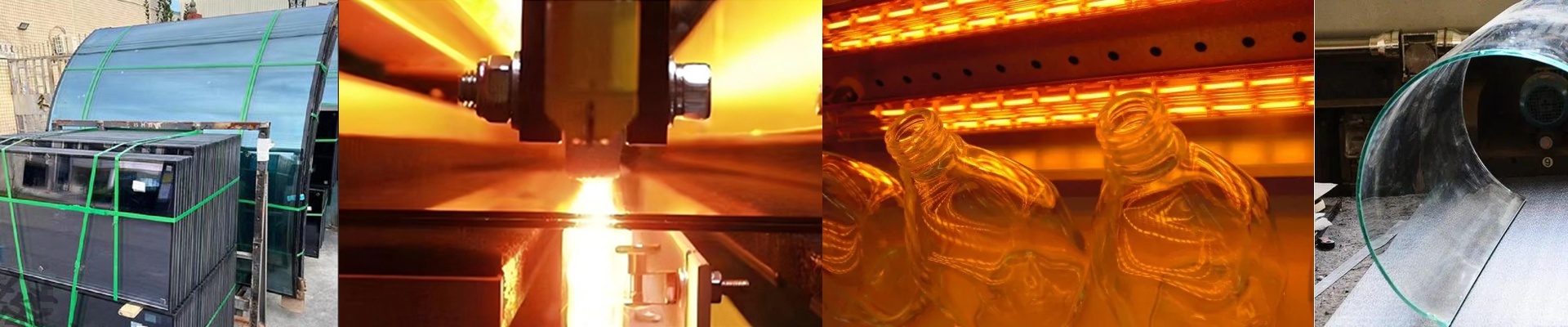
If you’ve ever tried to build a mobile glass repair bracket, you know the struggle. You’re basically fighting a war on two fronts: you’ve got almost no room to work with, and your power supply is usually pretty weak. Most infrared heaters are just too chunky, or they try to pull more current than a portable battery can actually handle. The trick we found to beat this is using twin-tube infrared lamps. Instead of one filament, you’ve got two packed into a single quartz tube. It’s a clever bit of engineering because you get double the heat without the tool getting any bigger. The power struggle When you’re working with a tiny frame, you need a lot of heat in a very small space to get that resin to cure. That’s where the twin-tube setup really shines. You get more “punch” per inch of lamp. This means you can shrink the lamp down so it actually fits in a handheld bracket, but it still hits the glass with enough intensity to do the job. Now, here is the catch: voltage. If you just plug these into a standard mobile battery, the temperature usually dips. To keep things hot and—more importantly—to stop the filaments from popping during quick on-off cycles, we usually lean on a DC-to-AC inverter or a precision PWM controller. The trade-offs We use quartz tubes because they let the IR heat pass right through without soaking it up. But there’s a downside. Putting two filaments in one tube creates a lot of internal pressure and a ton of concentrated heat. You can’t just wire it up and hope for the best. Your bracket needs to be made of heat-resistant alloys or use ceramic stand-offs. If the housing traps that heat, you’ll burn through your lamps way faster than you want to. It’s all about giving the heat a place to go. Making it work For the actual build, we stick to compact connectors. It keeps the footprint small and makes it a breeze to swap out a tube when it eventually gives up the ghost. The result? You end up with a high-intensity heater that fits in the palm of your hand. As long as your wiring is solid and your cooling is sorted, it just works.