
Stop Breaking Your Glass: A Real-World Guide to Thermal Shock
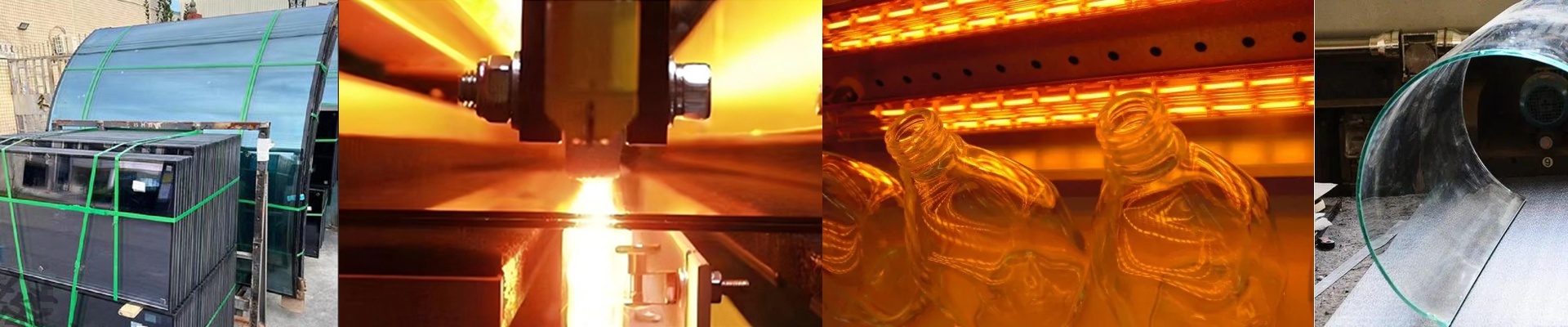
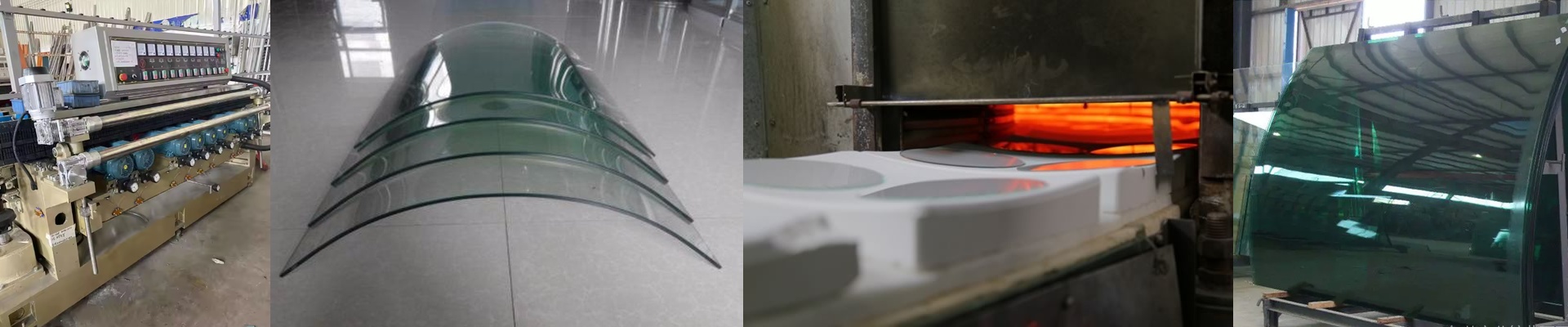
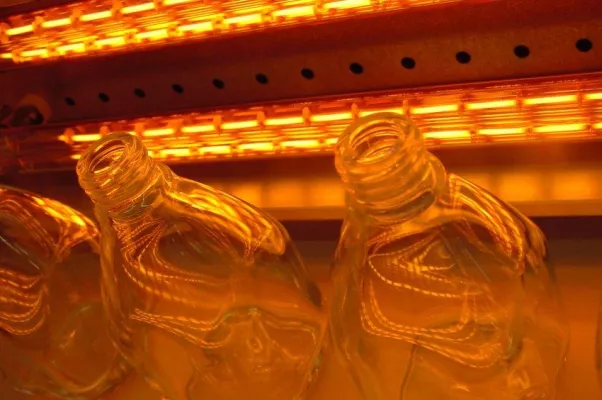
If you’ve ever watched a piece of glass shatter the moment it hits a heat source, you know the feeling. It’s frustrating. It’s a waste of material. And usually, it’s because the heat was just too aggressive. When we talk about instant tempering, we’re basically walking a tightrope. You need the glass to hit its softening point, but if you create a massive temperature gap between the surface and the core, the glass just gives up and cracks. To stop that from happening, we use shortwave infrared lamps tucked into high-reflectivity housings. It’s all about control.
Why Speed Matters (The Physics Part)
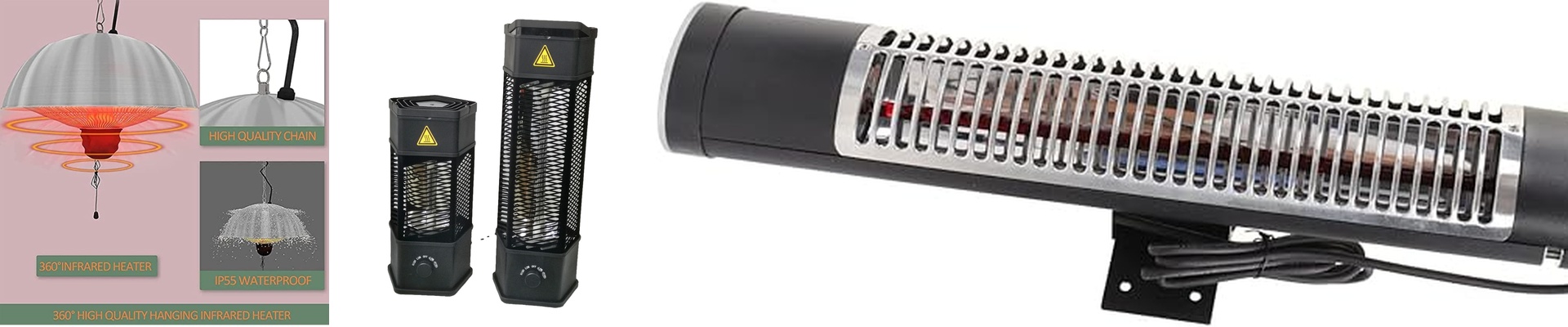
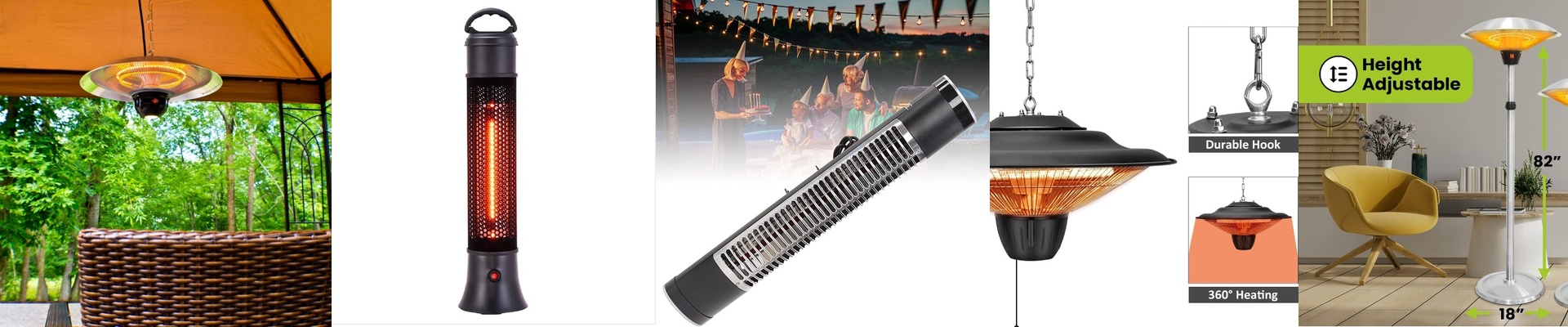
Here is the thing: to save your glass, you need to be able to kill the power in milliseconds. That’s why shortwave IR lamps are the way to go. They have almost no “thermal inertia.” Think of a standard resistive heater like a big pot of boiling water—even after you turn off the stove, it stays hot for a long time. These lamps are different. The second you cut the power, the radiation stops. Just like that. We pair these with gold-coated or polished aluminum reflectors. Now, it’s not just about saving on the electric bill. The reflector acts like a lens, focusing that heat exactly where it needs to go—the bending zone. This keeps the surrounding supports cool and prevents the edges from freezing while the center is molten.
The Trade-offs (What They Don’t Tell You)
Pushing that much heat into a small space isn’t free. When you’re running at peak wattage to keep your cycles fast, your hardware takes a hit. You’ll notice the mounting brackets getting hot. If your cooling fans aren’t beefy enough for the wattage you’re pushing, the reflector can actually warp. Once that happens, your focal point shifts, and suddenly you’re dealing with uneven heating again. It’s a headache you don’t want.
Making it Work on the Floor
If you’re setting this up, do yourself a favor and use high-speed SCR controllers. This lets you play with the power curve. Instead of just slamming the glass with heat, you can start with a soft ramp to “wake up” the material, then spike the power for the actual bend. It’s a much gentler process. Plus, it’s a simple swap for those old, slow ovens that usually leave you with a mountain of scrap at the end of the shift.