
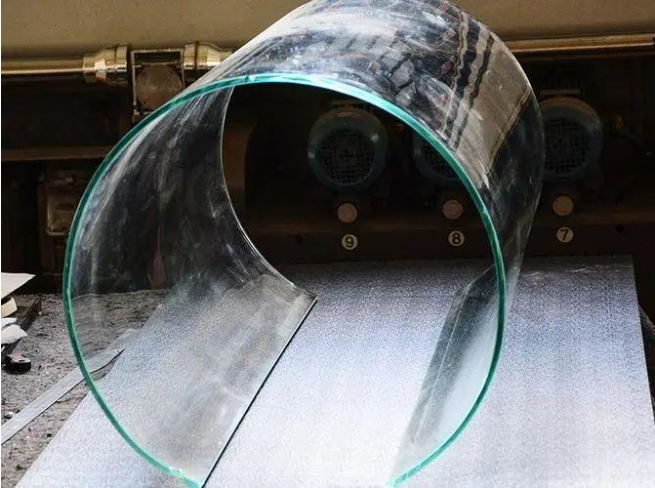
Stopping the Chip: Why We Preheat Glass
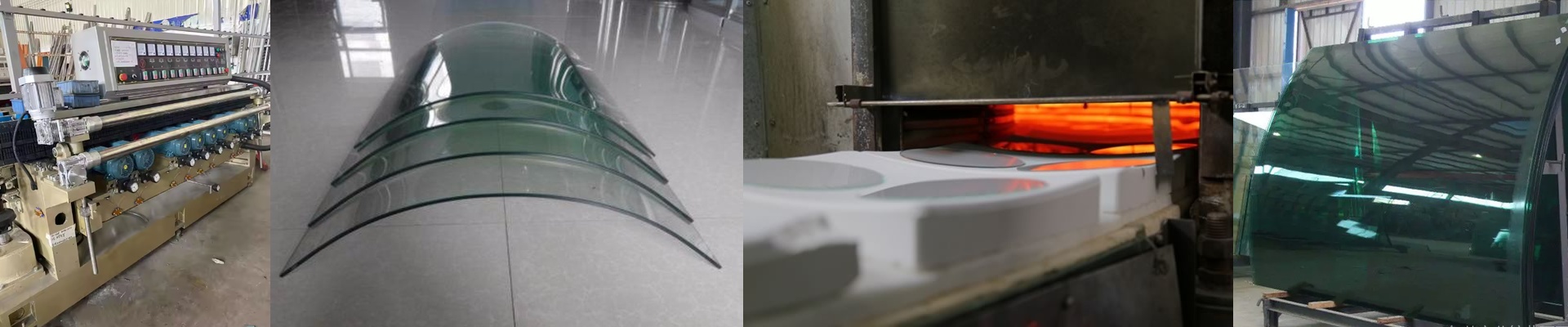
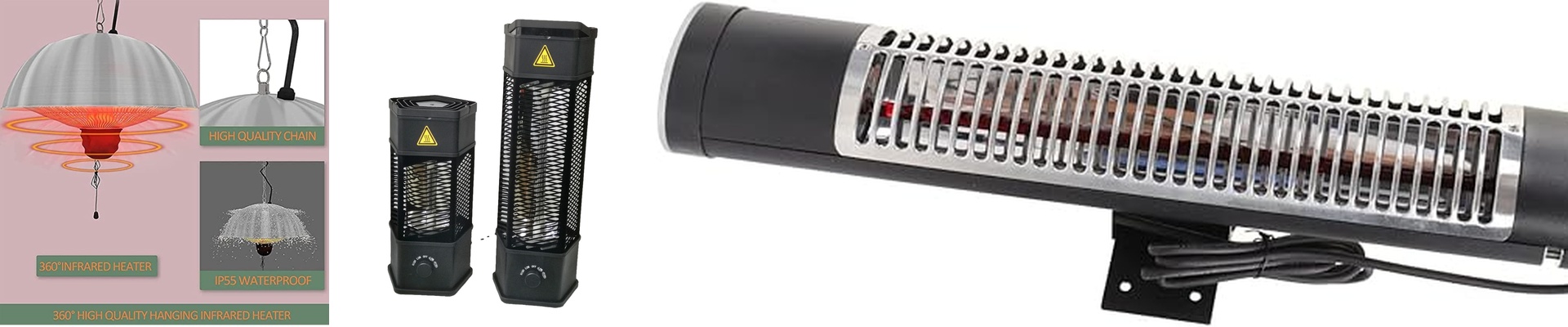
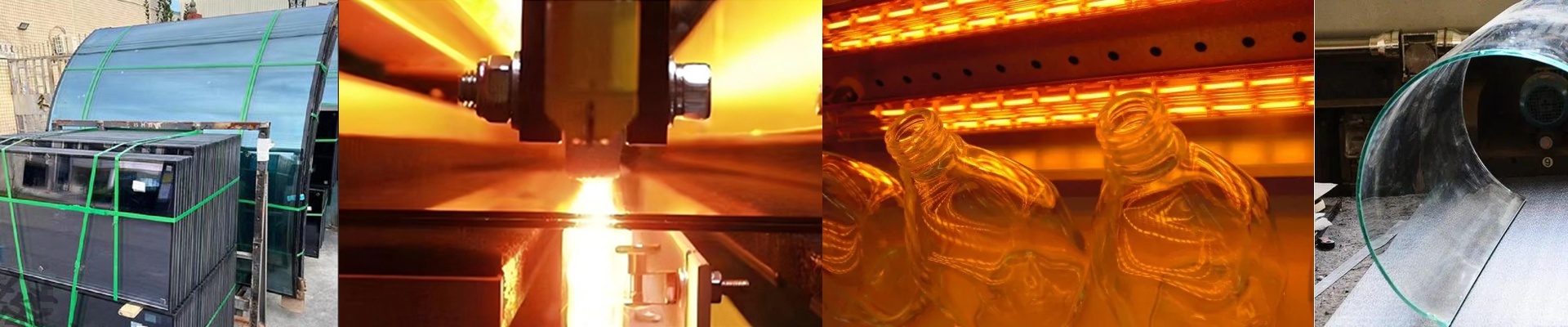
Let’s be honest: glass is a pain to work with. It’s brittle. When you try to score and break it at room temperature, it doesn’t always listen. You get those jagged, ugly “chip-outs” that ruin a perfectly good piece of material. The secret to fixing this is heat. Specifically, high-temperature infrared (IR) lamps. By heating the surface right before the cutting head hits, we basically “relax” the glass. It lowers the viscosity and smooths out the thermal stress. Instead of the crack jumping around and acting crazy, it just follows a straight, clean line. The logic behind the heat Cold glass is stubborn. It fights the tool, which is why you get those unpredictable shards. But when you hit it with targeted IR radiation, you’re softening those molecular bonds just enough. The result? A clean break. But you have to be careful. If the heat is uneven, or if a blast of cold air hits the glass mid-process, you’re just trading one kind of crack for another. It’s all about that steady, uniform warmth. Picking the right lamps If you want the glass up to temp fast, you need short-wave IR lamps. These things pack a lot of heat into a small space. The trick is balancing your wattage with how fast your conveyor is moving. Sure, a higher wattage lamp lets you speed up the line, but your power supply has to be able to handle that surge. And don’t go overboard. If you over-spec the wattage without zoning it correctly, you’ll end up warping the glass or causing thermal shock. Then you’ve got a much bigger problem on your hands. The messy part: Installation Setting this up in a cutting line isn’t a “plug and play” situation. You need the lamps sitting tight to the glass to keep the heat from leaking away. Also, keep in mind that these lamps put off a massive amount of ambient heat. If you just bolt them in and walk away, you’ll fry your wiring. You need real ventilation or some solid heat shielding to keep the machine frame from cooking itself over time.