
Stop Wasting Energy on Glass Annealing
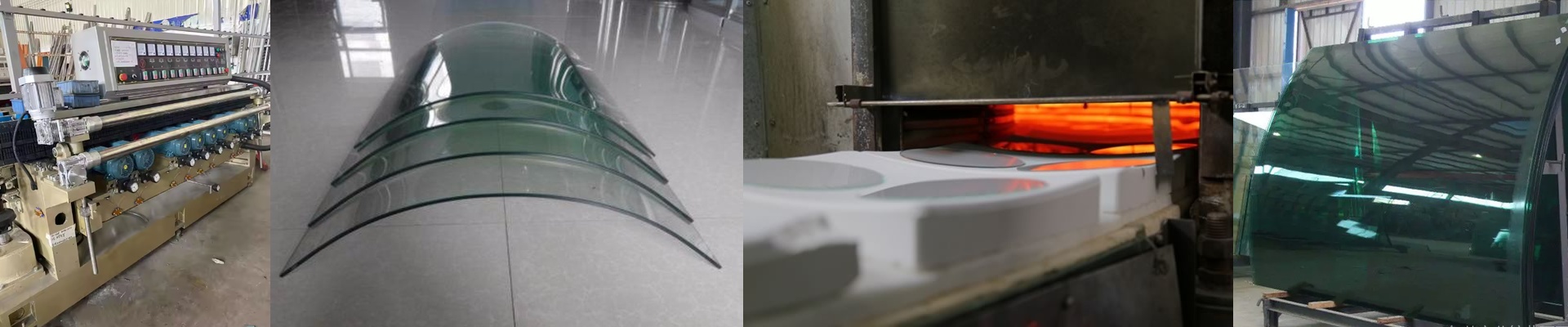
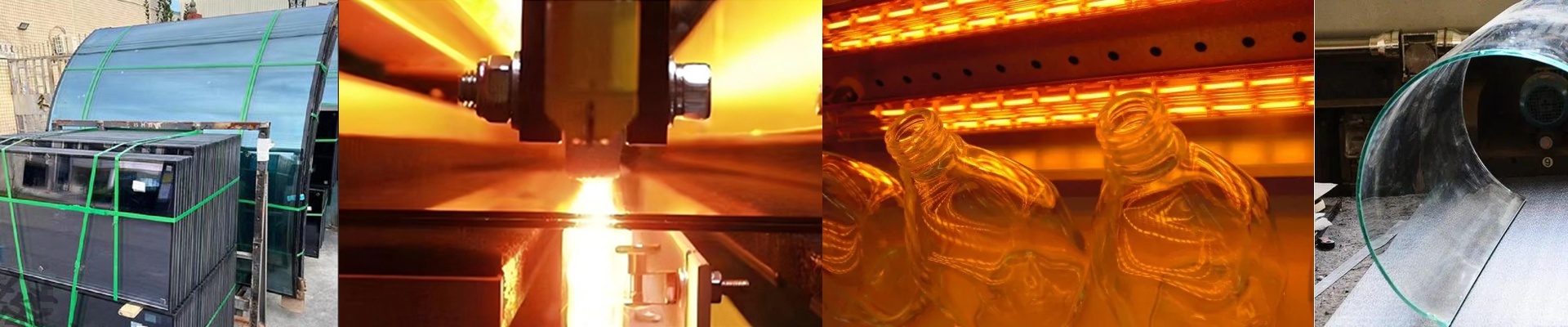
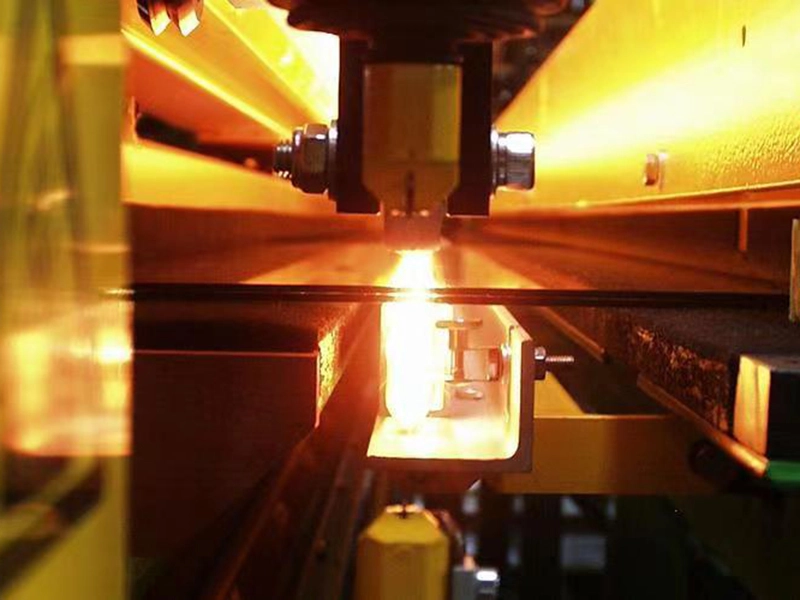
Nobody likes it when glass just… snaps. Spontaneous breakage is a nightmare, and the only way to stop it is getting the thermal control exactly right. For a long time, we’ve relied on convection ovens. But let’s be honest: heating up an entire room of air just to warm up a piece of glass is a waste. It’s slow, it’s expensive, and it’s inefficient. That’s why we moved to shortwave infrared (IR) lamps. Instead of heating the air, we hit the glass directly.
Why IR actually works
Think of it like the sun on your skin. You feel the heat instantly, even if the air around you is chilly. Shortwave IR does the same thing. It sinks into the glass way faster than hot air ever could. This means you spend less time waiting for the material to reach the right temperature and way less money on electricity that’s just leaking out into the factory. We tune these lamps to hit a very specific temperature gradient. The goal is to kill those internal stresses without accidentally cooking the edges of the glass.
The gear under the hood
We don’t use cheap bulbs here. These are high-purity quartz tubes designed to take a beating from rapid heating and cooling cycles without cracking. Inside, there’s tungsten and halogen gas to make sure the light stays consistent for thousands of hours. If you’re plugging these into your current line, the big question is power density. If you go with a high-wattage setup, you can actually shrink the size of your tunnel. You get the same result, but you get your floor space back.
The “Gotchas”
Now, it’s not all magic. High-density IR is fast, but it’s hungry for power. If you’re swapping out old resistive heaters for these,please check your breakers and cable gauges first. You don’t want to trip your panels the moment you flip the switch. And here’s a tip: since the glass heats up so quickly, you have to watch your cooling zone. If you quench the glass too aggressively right after the IR stage, you’re just trading one kind of stress for another. It’s all about the balance. At the end of the day, this is about the math of kWh per square meter. If you’re running high-volume lines 24/7, the cost savings are huge. It just makes sense.