Getting Your Infrared Heaters to Play Nice With Local Power
When you’re preheating glass, you need two things: a ton of heat, and you need it now. But here’s the headache. If you move a production line from a US plant over to Canada or Europe, the power in the walls changes. You could just throw a transformer on it, sure. But that’s just adding a bulky metal box to your floor and giving yourself one more part that can break. We do things differently. We just build the lamps to match your local grid from the start.
Why Voltage Actually Matters
We build our lamps for 110V, 480V, and 575V. It’s not just about making sure the plug fits. The voltage actually changes how we build the lamp—the thickness of the filament and the length of the heating element. For example, a 575V lamp handles current differently than a 110V one, even if they’re putting out the same amount of wattage. The goal? You get the exact same heat on your glass, no matter where in the world your machine is plugged in. And a word of caution: don’t wing it. If you plug a 110V lamp into a higher voltage circuit, it’ll pop instantly. On the flip side, under-volting it just leaves you with a lukewarm lamp and a ruined cycle time.
The Gear Side of Things
Our quartz tubes are designed to be simple drop-in replacements. We use standard connectors because nobody wants to spend their weekend doing custom fabrication just to get a heater wired up. Just keep in mind that high-voltage lamps put out a massive amount of energy. That energy creates heat—not just at the glass, but in the connector housings too. Make sure your wiring gauge and insulation can actually handle the load. You don’t want to find out the hard way that your terminals are melting.
Making Glass Processing Easier
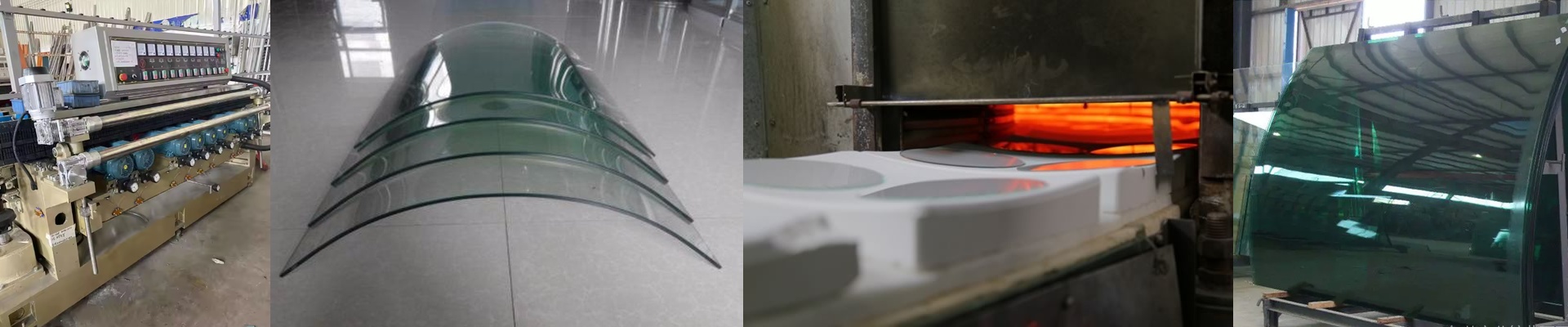
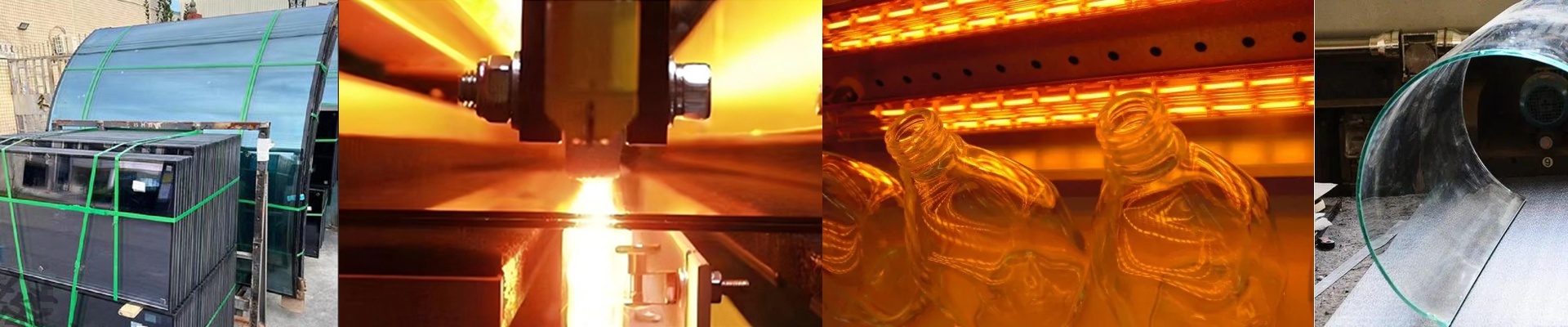
Preheating glass quickly is the only way to stop thermal shock and get that viscosity just right for forming. By matching the lamp voltage to your site’s primary power, you can ditch those heavy step-down transformers. Your control cabinet stays small, your workspace feels less cluttered, and you get way less electrical noise messing with your sensors. It’s just cleaner.