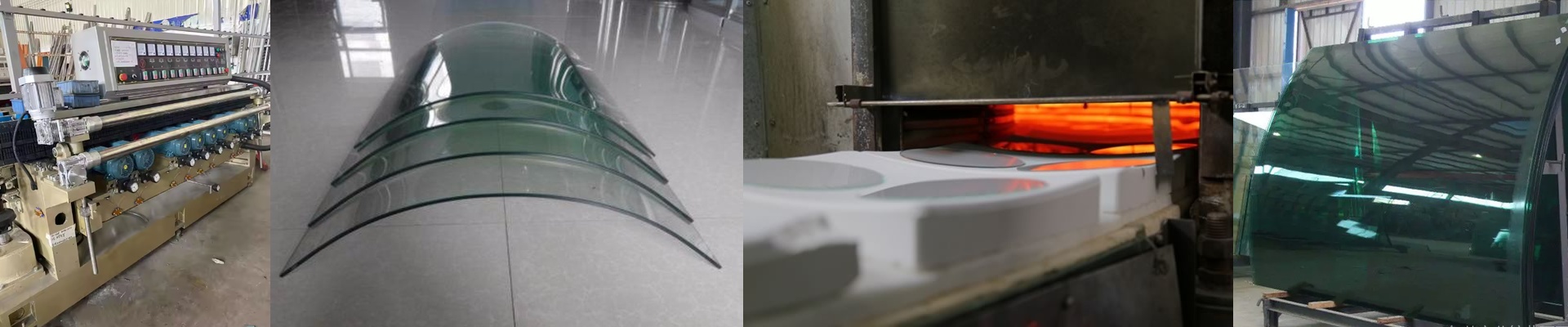

Getting Infrared Heat Right for Mobile Glass Repair
When you’re building a mobile glass repair bracket, you’re basically fighting a war between power and space. You can’t just shrink down a giant industrial oven and expect it to work. That’s not how physics does things. If you’ve got limited voltage and almost no room to move, you have to rethink the whole way you move heat.
The Struggle with Power and Space
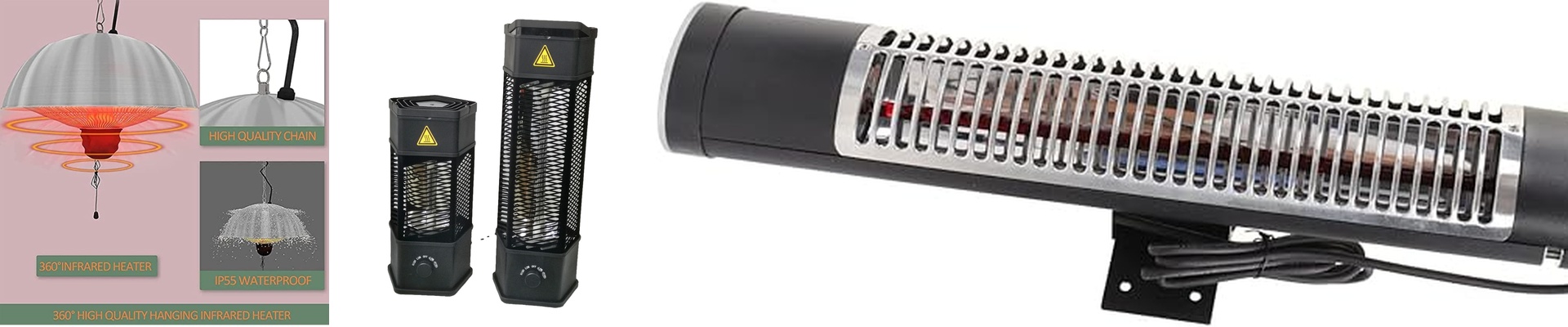
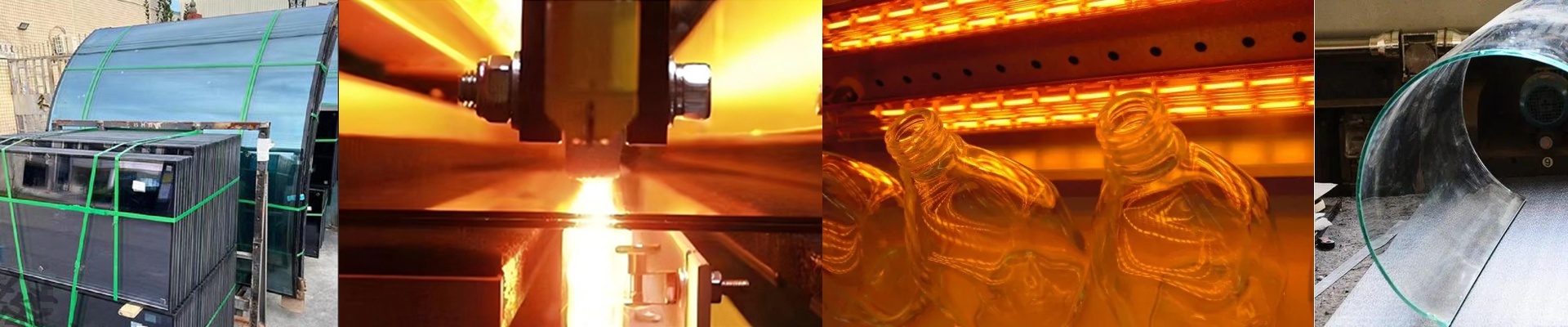
To get a ton of heat out of a tiny footprint, we lean on shortwave infrared (SWIR). Here’s the thing: shortwave radiation actually sinks into the glass better than the medium or longwave stuff. It means you hit your target temp way faster, and you don’t need a massive heating chamber to do it. But then you hit the voltage problem. In a mobile rig, your power source is rarely steady. It dips. It spikes. We spec the filaments to keep the heat steady even when the power fluctuates. If you try to cram too many watts into a tiny tube, you’ll just burn the filament out. It’s a balancing act—getting enough wattage per centimeter to work, without melting the housing.
Picking the Right Parts
We use quartz-halogen tubes. Why? Because they can handle the shock of being turned on and off rapidly without cracking. Standard glass just can’t take that kind of abuse. For the connectors, we keep it simple with standard R7s or Sk15 interfaces. It’s a practical choice. When a lamp eventually dies in the field—and it will—you want to be able to just pop a new one in and get back to work. Then there’s the reflector. Since the heating element is so small, any gap in the reflector is just wasted energy. You end up heating up the bracket instead of the glass. We use gold-coated or high-purity aluminum to bounce every single watt right back onto the workpiece.
The Trade-offs
Here is the catch: when you concentrate that much heat into a small spot, you create a “hot zone.” It makes the repair fast. Really fast. But it also means you risk stressing the glass if you aren’t careful. You have to be precise with your dwell time. And don’t forget the fans. If your cooling isn’t up to the task, the ambient heat will build up inside the bracket and fry your wiring. Not a great way to start the day.