Stop Losing Money Every Time the Temperature Drops
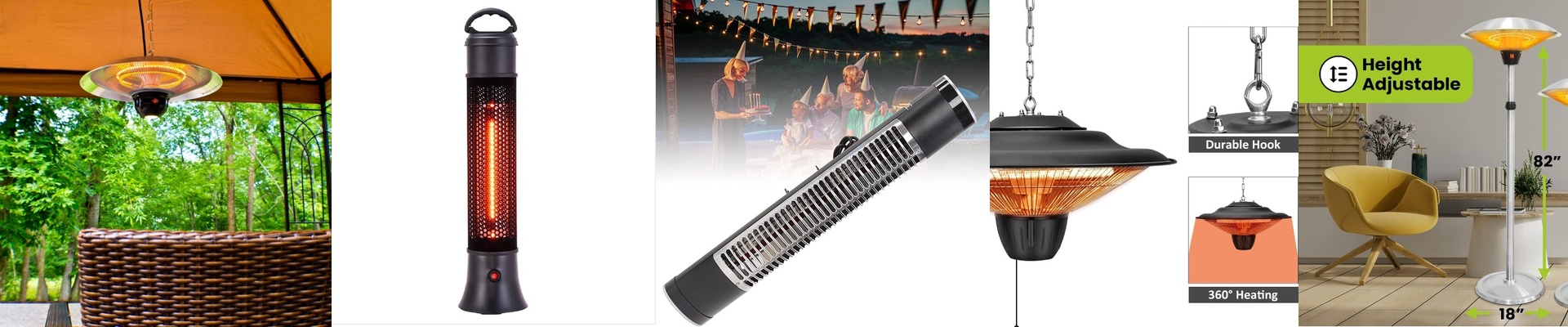
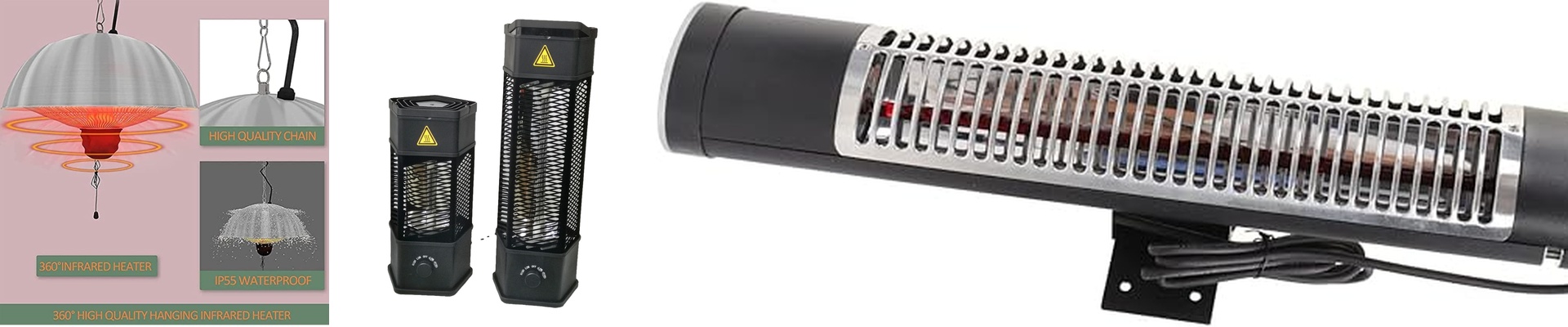
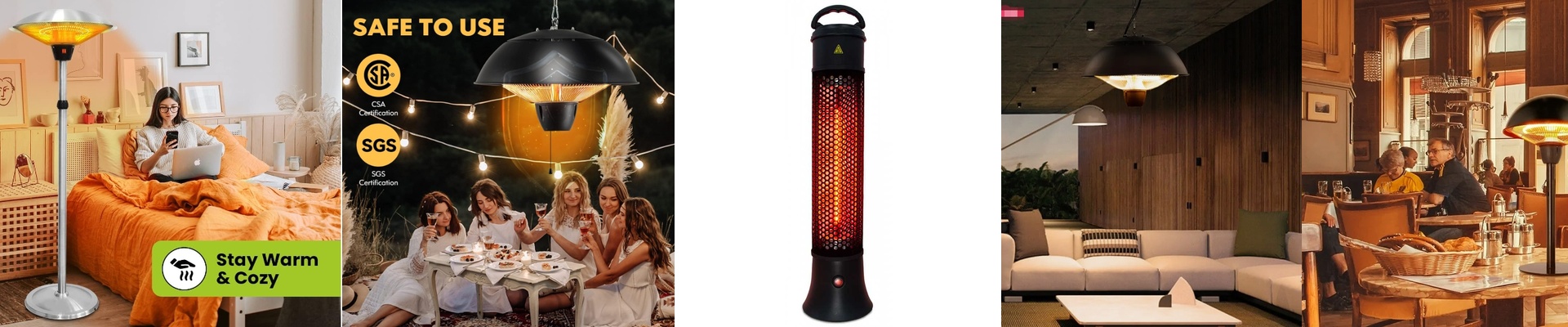
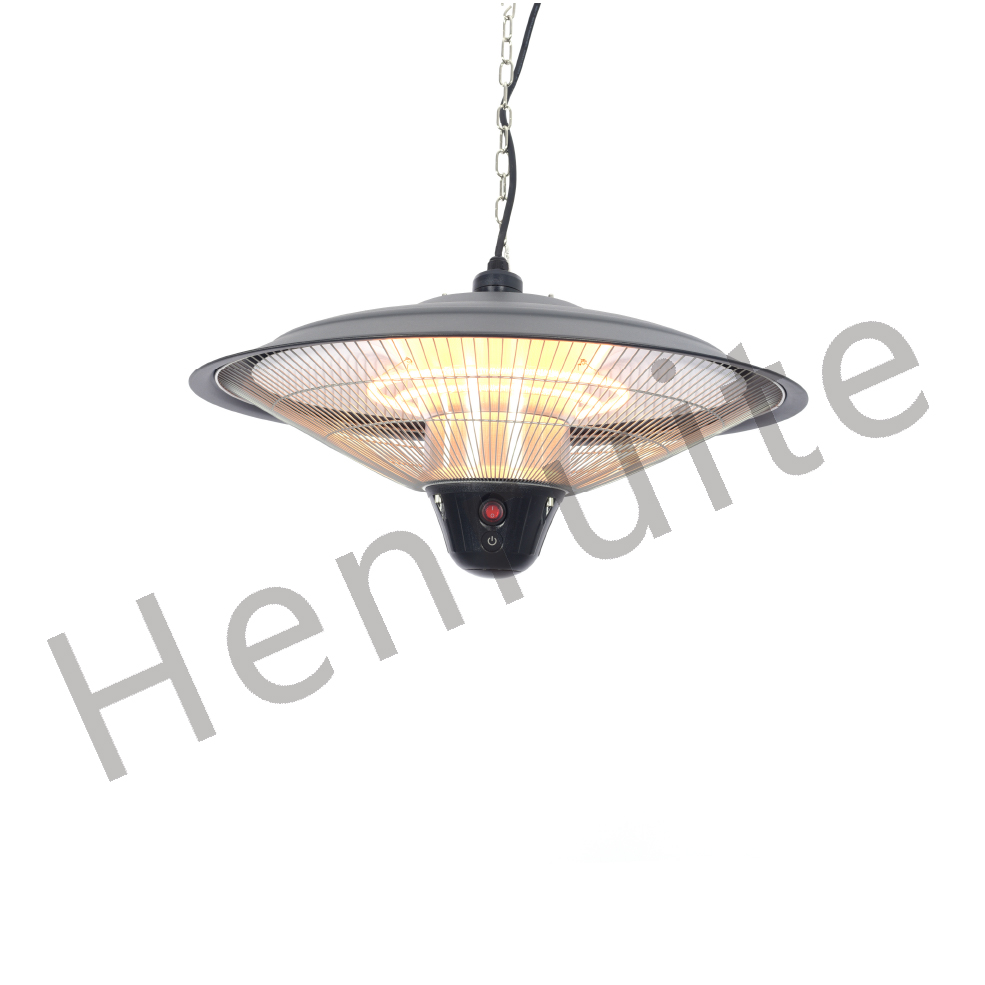
Let’s be honest: outdoor seating is a nightmare in the winter. You’ve got these great tables, but nobody wants to sit in a freezing breeze. And trying to heat the actual air outside? Forget it. The second you pump heat into an open patio, the wind just carries it away. That’s why we use shortwave infrared heaters. Instead of trying to fight the wind, these units ignore the air entirely. They go straight for the people. It’s like the feeling of stepping into the sun on a crisp October morning. You feel it instantly. The math is pretty simple. When your guests feel warm the second they sit down, they don’t rush through their meal to get back inside. They relax. They stay for another drink. They order dessert. Suddenly, those outdoor tables—which usually sit empty for four months a year—are actually making you money again. Getting the setup right We don’t just slap these on the ceiling. We look at how high your roof is and how much wind you usually deal with. Shortwave emitters are the way to go here because the heat travels in a straight line. Wind can’t “blow” the heat away. But you do have to watch your power. These things pull a lot of juice. If you’re adding ten units to an older patio, your breakers might not be able to handle the load. You’ll probably need to beef up your wiring so you aren’t tripping the mains in the middle of a Friday night rush. The “Sweet Spot” Mounting is everything. Hang them too high, and the heat disappears before it hits the table. Hang them too low, and your customers will feel like they’re sitting under a heat lamp at a buffet. We aim for a focused beam—enough to keep the diners cozy, but not so much that you’re wasting energy heating the walkways. It’s a bit of an upfront investment, sure. But when you see your occupancy rates climb in January, the gear usually pays for itself before the first thaw.