Stop the Bathroom Mold Struggle with a Bit of Physics
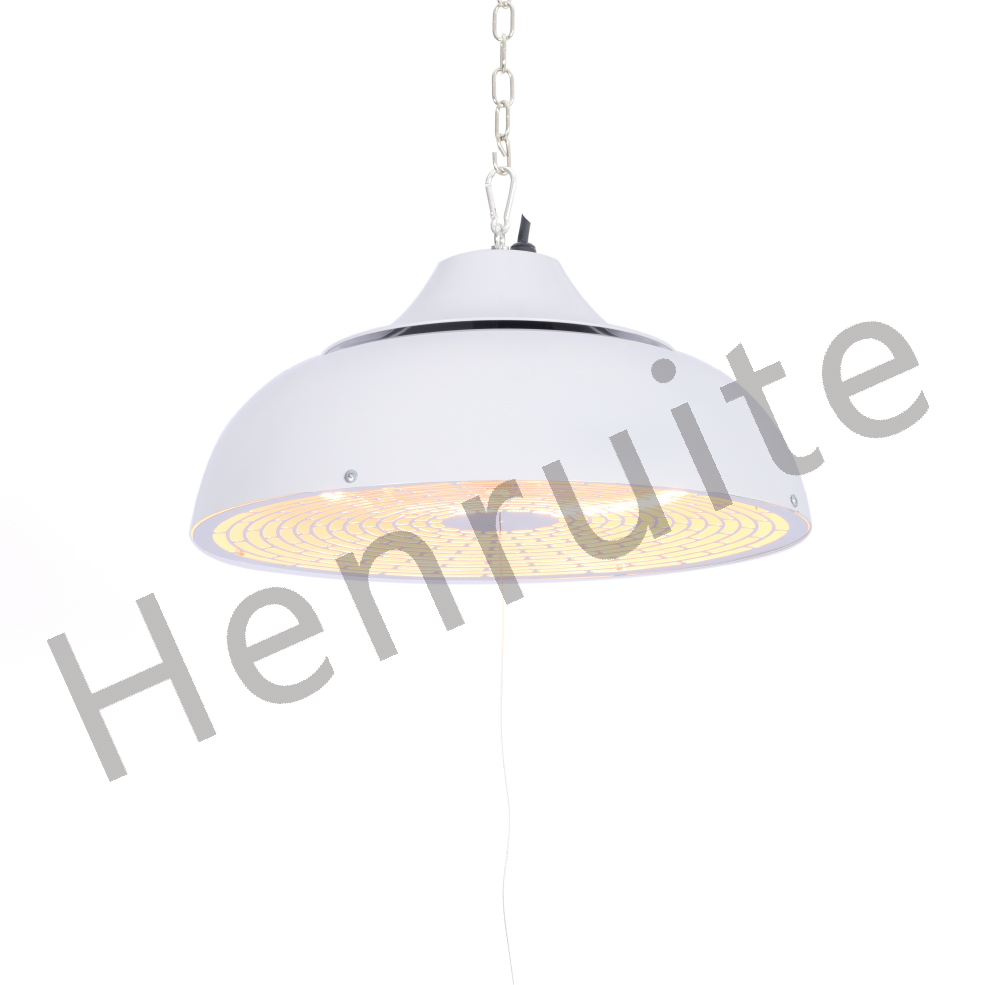
Most people look at an IP65 infrared lamp and just see a way to stop shivering when they step out of the shower. But if you look under the hood, it’s actually a secret weapon for keeping your bathroom dry. We didn’t just build these to warm up the air. We built them to hunt down water molecules on your walls and tiles, drying them out before mold even gets a chance to move in.
Drying the walls, not just the air
Here is how it actually works. Most heaters just blow hot air around, which is fine, but it’s slow. We use shortwave infrared (SWIR). Instead of waiting for the air to warm up, these rays go straight for the surfaces. They soak into your tiles and walls, heating them up from the inside out. Once those surfaces hit a certain temperature, the water just vanishes. It’s a simple way to deal with the dampness hiding in your grout and sealant. No more soggy corners. Just dry walls.
Built for the steam
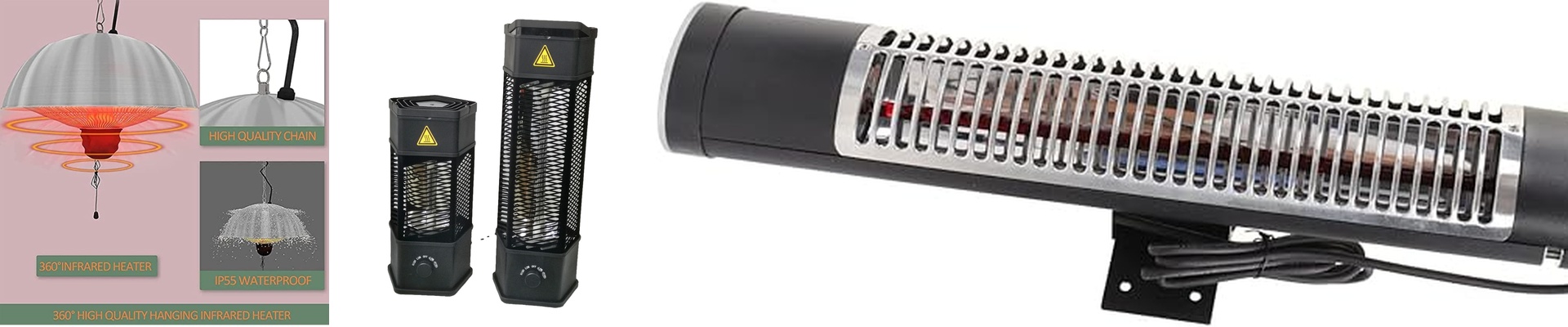
Bathrooms are brutal on electronics. Steam gets everywhere, and that’s usually why heaters die. That’s why we went with an IP65 rating. In plain English? It’s dust-tight and can handle water jets from any direction. We used heavy-duty gaskets and sealed cables so you don’t have to worry about a short circuit just because you took a long, steamy shower. Plus, it’s instant. No waiting around for an oil radiator to slowly warm up. You flip the switch, and you feel the heat immediately.
A few things to keep in mind
Now, these things pack a punch. Because the heat is so concentrated, you have to be a little careful where you put them. If you mount the lamp too close to cheap PVC panels or plastic fixtures, you might actually warp the material. It’s a lot of heat in a small spot. Just make sure you check the wattage and give the unit enough breathing room from your ceiling. And one last thing—don’t ditch your exhaust fan. The lamp turns the liquid water into vapor, but you still need a way to push that humid air out of the room.