

Stop Heating Your Roof and Start Heating Your People
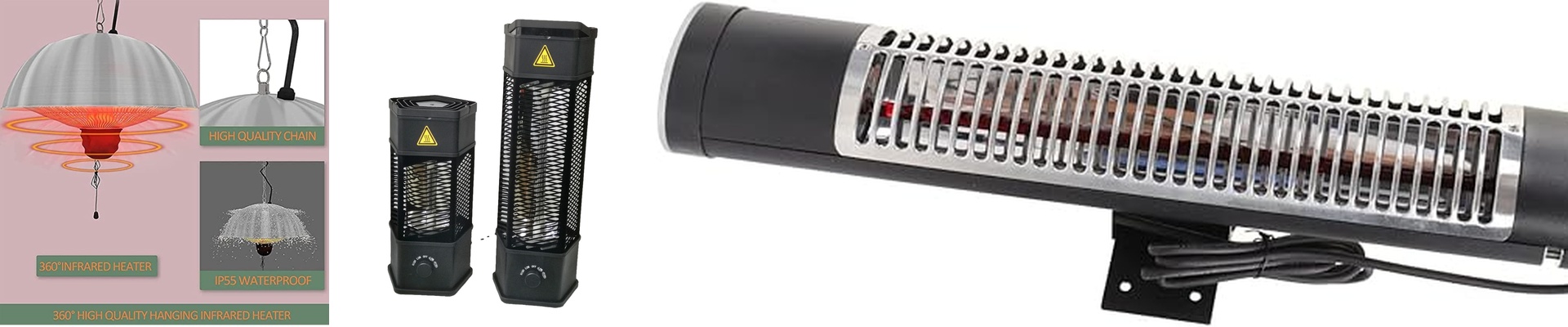
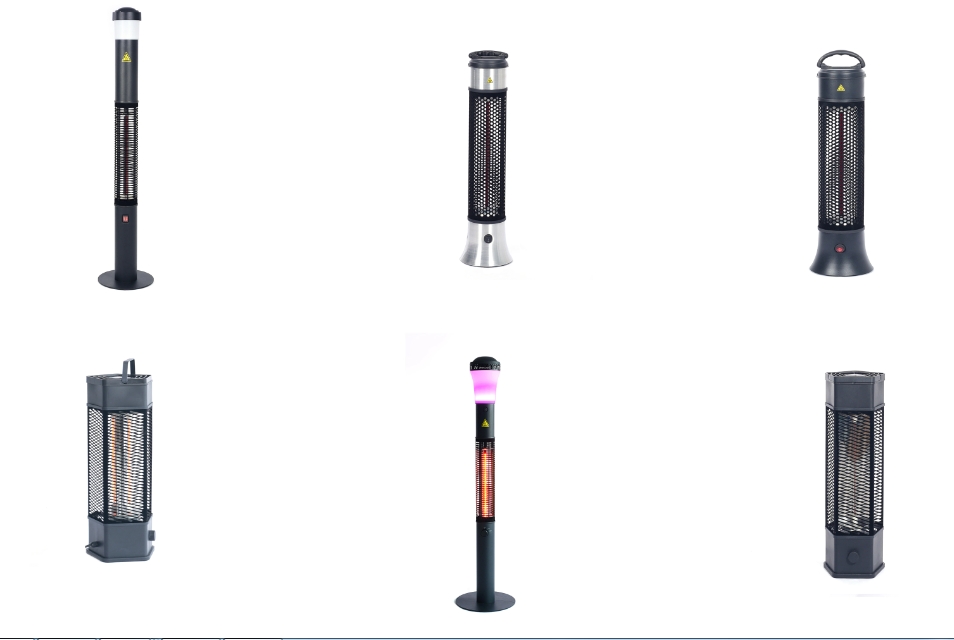
Trying to warm up a drafty factory changing room with standard heaters is basically like throwing money at the ceiling. We’ve all seen it: the hot air rushes straight up to the rafters, leaving the workers shivering on the floor. It’s a waste. That’s why we use shortwave infrared (IR) radiators. Instead of trying to warm up every cubic inch of air in a massive room, these units send energy straight to the people and objects in the room. It’s the difference between warming up a room and feeling the sun on your skin.
Heat That Actually Hits
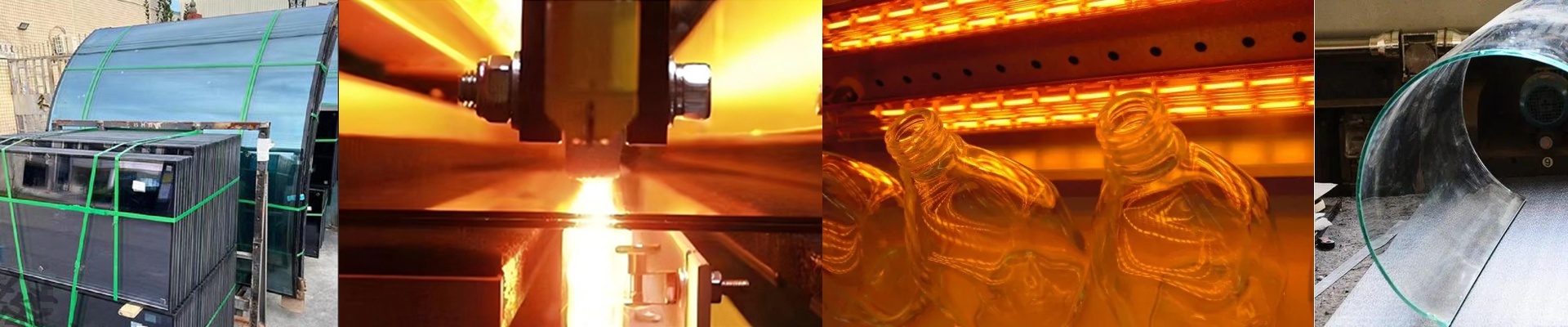
Here is the cool part about shortwave IR: it doesn’t care about the air around it. It travels further and digs deeper. When you flip the switch, the heating element gets hot in seconds. No more waiting an hour for a furnace to slowly nudge the temperature up. You walk into a freezing locker room, hit the button, and you feel the warmth immediately. It’s fast. Really fast.
Dealing with High Ceilings
If your ceilings are over 5 meters, you can’t just use a basic heater. You need some real power to make sure the heat actually reaches the floor. We use quartz-halogen tubes for this. They’re tough enough to handle intense heat without cracking, and they let us pack a lot of punch into a small footprint. Depending on how much power you need, we usually wire these into 220V or 380V grids. Going with higher voltage is usually the smarter move—it lets us run longer tubes without risking a meltdown in your wiring.
The “Gotchas” of Installation
You can’t just slap these on the ceiling and call it a day. Because shortwave IR is so intense, the angle has to be just right. If you’re off by a few degrees, you’ll end up with “hot spots” where one person is roasting while the guy next to them is still cold. Plus, you’ll want to make sure your ceiling materials can handle the heat. And a quick warning: quartz tubes are fragile. If your shop has a lot of vibration or a ton of dust and grit floating around, you’re going to want protective guards. Without them, the tubes can break or get filmed over with grime, and once that happens, your heat output just dies.