
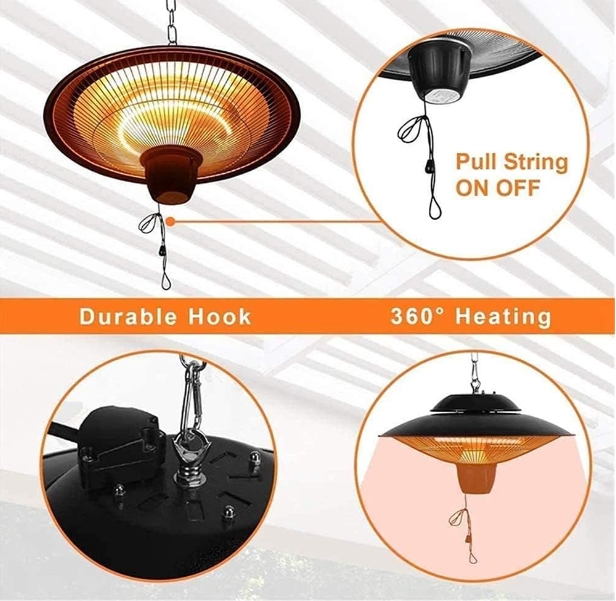
Keeping Your Bathroom Heaters Safe and Dry
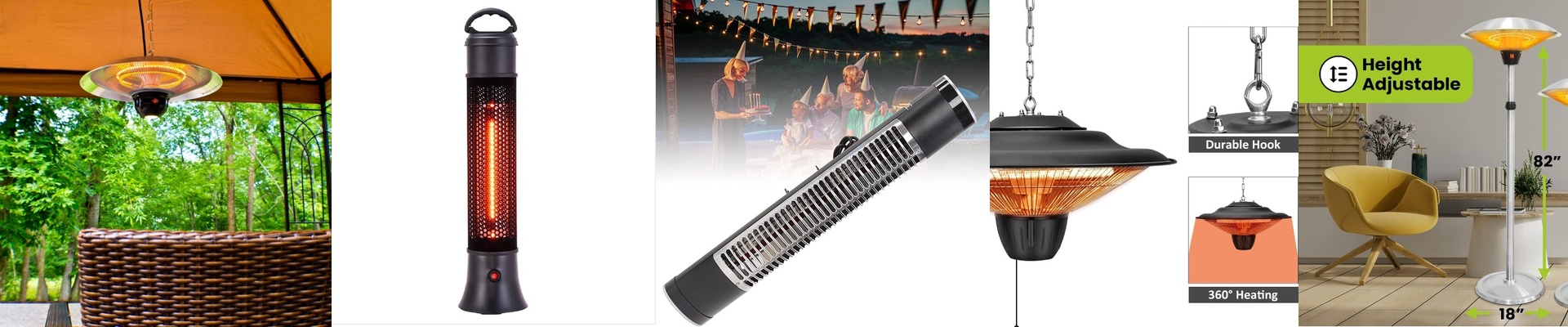
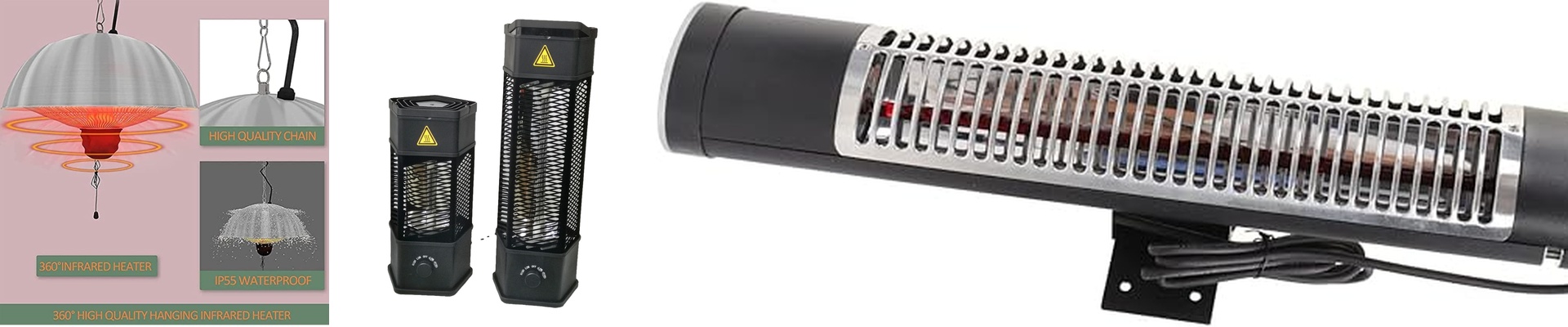
Let’s be honest: putting high-voltage heating lamps in a room full of steam and splashing water is a recipe for disaster if you aren’t careful. Water and electricity don’t get along. When steam settles or a shower spray hits the wrong spot, it creates a path for a short circuit that could shut down your power—or worse. Getting an IP66 rating isn’t about just throwing a plastic cover over the bulb. It’s about making sure moisture never even gets a chance to touch the electrical guts of the machine.
The battle against humidity
Think about a steamy bathroom. Condensation forms on everything. If the lamp housing has even a tiny gap, those little water beads will find their way straight to the terminals. To stop this, we use hermetic seals at every entry point and heavy-duty gaskets. The goal is a chassis that doesn’t “breathe.” Since IP66 means the unit can handle powerful water jets, it has to be tight. Really tight.
Stopping the “creep”
We don’t take chances with the wiring. We use double-insulated cables and a process called potting—basically filling the connection points with a reinforced compound. This stops something called “creepage.” That’s just a fancy way of saying electricity trying to crawl across a damp surface to find a ground. We keep the terminals recessed and shielded to keep them out of harm’s way. **One pro tip:**If you’re installing these, don’t skim on the waterproof cable glands. A loose gland is almost always where these things fail.
The heat struggle
Here is the tricky part. Infrared lamps get incredibly hot. When you seal a heater tight enough to keep water out, you’re also trapping all that heat inside. It becomes a bit of a bottleneck. If the housing is too restrictive, the internal parts can literally cook themselves. To fix this, we use high-temp ceramics and polymers that won’t warp or melt when things get intense. It’s all about finding that sweet spot between a water-tight seal and enough thermal resilience to keep the unit from melting down. And please, double-check your grounding. Even with all the IP66 protection in the world, a solid earth connection is the only thing that truly keeps you safe if a component decides to quit on you.