Stop Letting Your Annealing Oven Kill Your Momentum
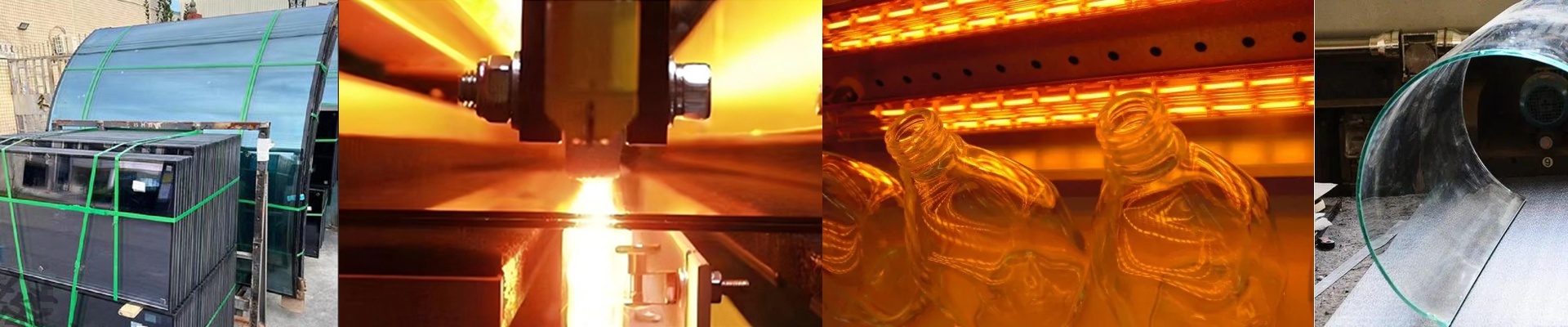
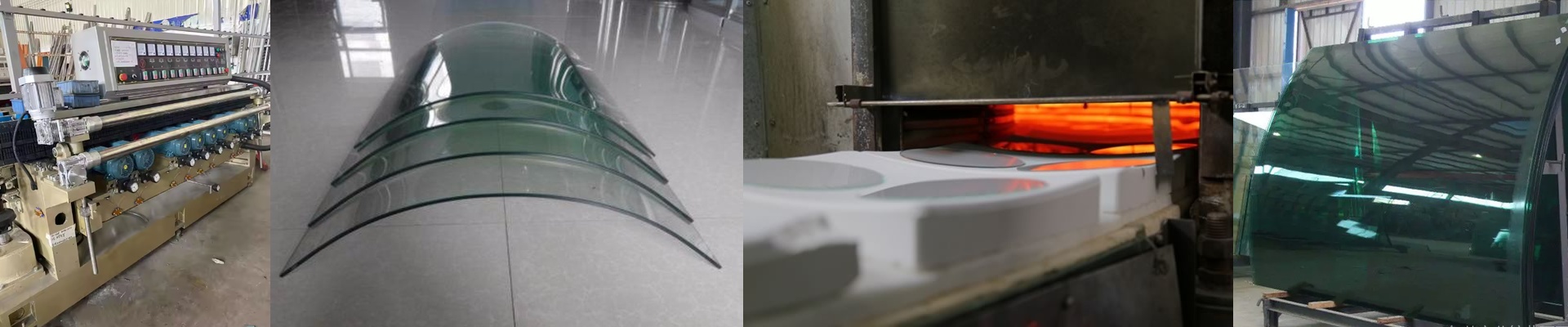
Nobody likes a bottleneck. If you’re still relying on traditional oven annealing, you already know the pain: it’s slow, it’s clunky, and it basically puts a ceiling on how much glass you can actually push through your line. That’s why we moved to shortwave infrared (IR) heating. It lets you handle the stress-relieving right there on the belt. No stopping, no waiting, no wasted time.
Why it actually works
Most heaters rely on convection. In plain English? They’re slow. They have to warm up the air, which then warms up the glass. It’s a slog. Shortwave IR is different. It’s electromagnetic radiation that hits the glass and turns into heatinstantly. You can hit your annealing temperatures in seconds. The best part? If you decide to crank up your line speed, you just dial up the power. You aren’t stuck waiting for a massive, heavy chamber to catch up. It just happens.
Getting the heat right
To keep a line moving without hiccups, you need a lot of punch—specifically, high wattage per linear inch. We set up these lamps to drive energy deep into the glass quickly. This solves that annoying “cold center” problem where the outside looks fine, but the core is still stressed and ready to crack. But you can’t just throw lamps at the problem. You have to find the sweet spot between lamp spacing and belt speed. Pack them too tight, and you’ll fry the edges of your glass. Spread them too far apart, and you get these thermal dips that lead to breakage. It’s all about that balance.
The “Gotchas”
Look, this setup is a powerhouse, but it’s hungry. High-wattage arrays pull a lot of current. Before you flip the switch, make sure your wiring and power distribution can actually handle the load. If they can’t, you’re going to see voltage drops that mess with your consistency. And remember: these things gethot. Really hot. If your cooling fans or heat shields aren’t up to the task, you’ll end up melting your wiring looms or frying your sensors. Once you get the hardware dialed in, though, your annealing process stops feeling like a slow bake and starts feeling like a precision tool. You get a smaller footprint on your floor and a much faster line.