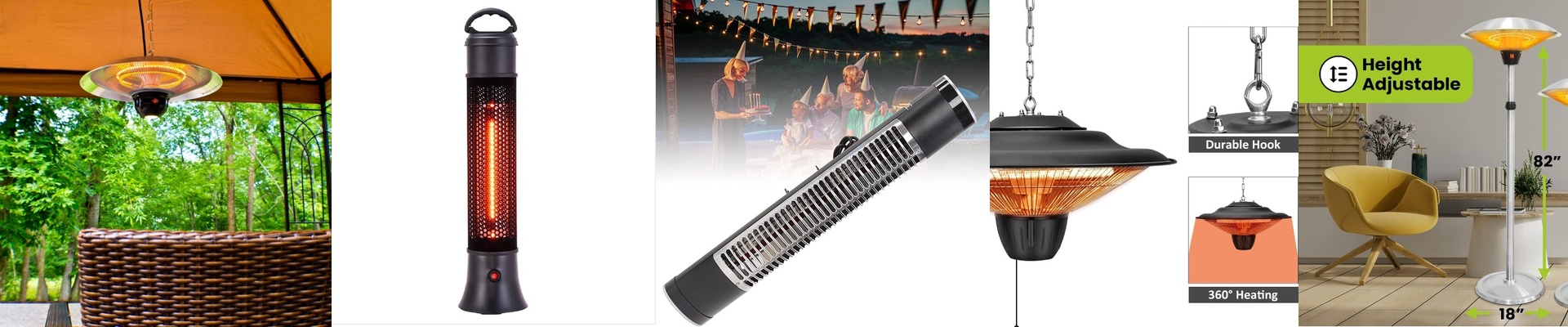
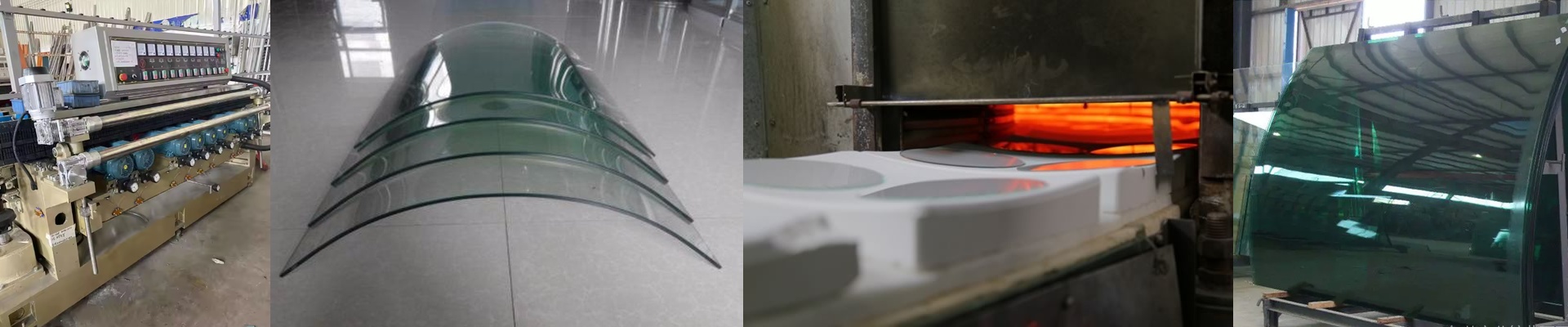
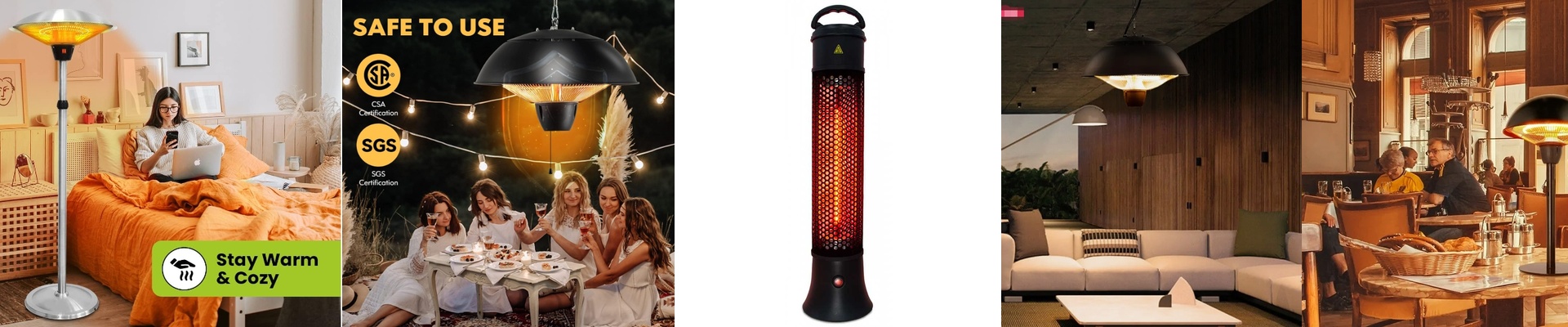
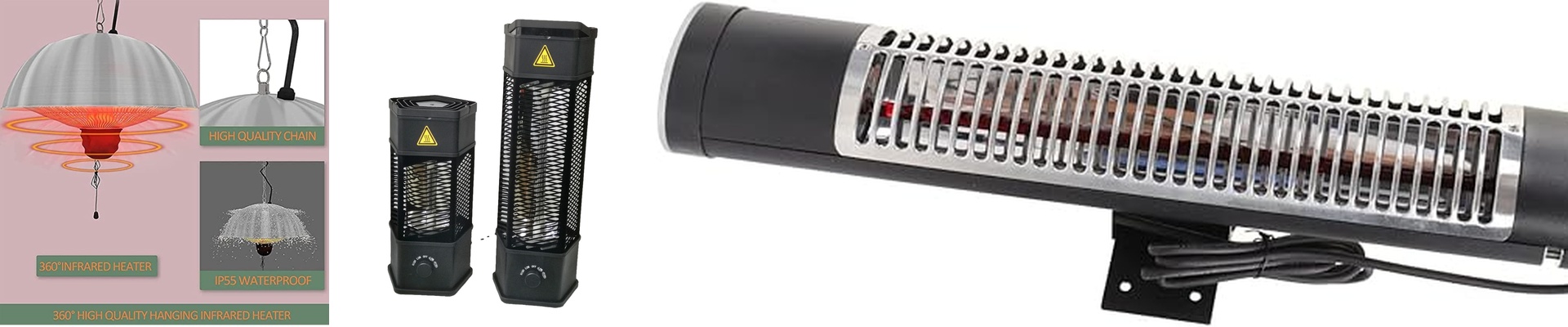
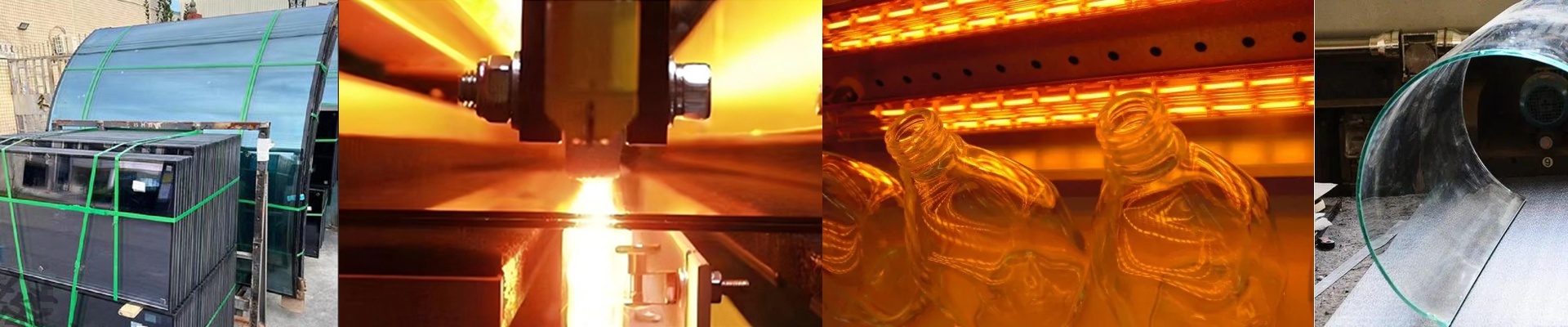
On the line, a hairline crack is a one-way ticket to scrap. It means stopping the tempering furnace, waiting for the lehr to settle back down, and burning minutes the schedule just doesn’t have. We built an infrared lamp for glass crack control to break that cycle. It gives you localized heating for edge repair, pre-heat for bending, and a controlled warm-up before lamination—so the glass moves without pushing defects further.
What it is, technically
This is short-wave infrared, centered on a quartz emitter and a high-emissivity coating profiled for glass. The wavelength is tuned so the glass surface absorbs efficiently, putting energy right where you need it—into the crack zone—without cooking the bulk. It responds fast: full output in seconds, no warm-up lag. We spec it in standard voltages and power densities matched to OEM module envelopes, with rigid terminals and a compact reflector geometry that keeps the thermal footprint tight. The payoff is a repeatable thermal profile, not a guess.
Why it holds up on the line
You need even temperature across the crack and along the edge, because uneven heating creates thermal stress and drives the crack deeper. This lamp lays down a stable heat band, so the glass hits the right local temperature quickly and uniformly. In tempering, that means fewer rejects. In bending, fewer edge blowouts. In lamination, more consistent adhesion. Energy use drops because the heat is on target and the duty cycle is short. Uptime improves because it drops in as a direct-fit replacement for standard fixtures—no reworking the conveyor or shielding.
The practical details
Installation is straightforward, but alignment is where it lives or dies. Set the focal distance to the glass surface and confirm the reflector angle matches the target width; if it’s off, you’ll get hot spots and uneven expansion. Keep the lamp out of cooling airflow that can set up convection gradients. Emitter life runs in the thousands of hours, but on high-duty lines, keep spares on hand. Like any high-temperature component, output decays with cycles, and a scheduled swap beats surprises.
ในสายการผลิต รอยแตกรอยผมเป็นสัญญาณที่ชัดเจนว่าชิ้นงานต้องถูกตัดทิ้ง ซึ่งหมายถึงการหยุดเตาอบเทมเปอร์ รอให้ lehr ปรับอุณหภูมิลงมาใหม่ และเสียเวลาที่ไม่มีในตารางการผลิต เราจึงพัฒนาหลอดอินฟราเรดสำหรับควบคุมรอยแตกร้าวบนกระจกเพื่อแก้ไขปัญหานี้ หลอดนี้ให้ความร้อนเฉพาะจุดสำหรับซ่อมขอบ กระตุ้นความร้อนไว้ก่อนดัด และคุมอุณหภูมิให้ค่อย ๆ อุ่นก่อนการลามิเนต เพื่อให้กระจกเคลื่อนที่ได้โดยไม่ทำให้ตำหนิแย่ลง
ทางเทคนิค
หลอดนี้ใช้คลื่นสั้นอินฟราเรด มีจุดศูนย์กลางที่ตัวปล่อยควอร์ตซ์พร้อมด้วยชั้นเคลือบที่มีค่าการแผ่รังสีสูง ออกแบบเฉพาะสำหรับกระจก ความยาวคลื่นถูกปรับให้กระจกดูดซับพลังงานได้อย่างมีประสิทธิภาพ จึงส่งพลังงานตรงไปยังบริเวณรอยแตกร้าวโดยไม่ทำให้ตัวเนื้อกระจกร้อนเกินไป หลอดตอบสนองรวดเร็ว ออกกำลังเต็มที่ภายในไม่กี่วินาที ไม่มีเวลารออุ่น เรากำหนดสเปกในแรงดันไฟและความหนาแน่นพลังงานมาตรฐานที่สอดคล้องกับโมดูล OEM มีขั้วต่อแข็งแรงและโครงสร้างรีเฟลกเตอร์ขนาดกะทัดรัดที่จำกัดขนาดรอยความร้อน ผลลัพธ์คือโปรไฟล์ความร้อนที่ทำซ้ำได้ ไม่ใช่การเดา
ทำไมทนทานในสายการผลิต
ต้องการอุณหภูมิที่สม่ำเสมอตลอดรอยแตกร้าวและขอบกระจก เพราะความร้อนกระจายไม่สม่ำเสมอจะสร้างความเครียดทางความร้อนและขยายรอยแตกร้าว หลอดนี้จึงสร้างแถบความร้อนที่มั่นคง ทำให้กระจกถึงอุณหภูมิเป้าหมายอย่างรวดเร็วและสม่ำเสมอ ในการเทมเปอร์ ช่วยลดอัตราผลิตภัณฑ์เสีย ในการดัด ช่วยลดการเปื่อยขอบกระจก ในการลามิเนต ช่วยให้กาวยึดติดสม่ำเสมอขึ้น การใช้พลังงานลดลงเพราะความร้อนตรงจุดและรอบการทำงานสั้น เวลาทำงานเพิ่มขึ้นเพราะสามารถติดตั้งแทนที่อุปกรณ์มาตรฐานได้ทันทีโดยไม่ต้องปรับเปลี่ยนสายพานลำเลียงหรือกันความร้อน
รายละเอียดเชิงปฏิบัติ
การติดตั้งทำได้ง่าย แต่วิธีปรับแนวเป็นสิ่งสำคัญมาก ต้องตั้งระยะโฟกัสให้ตรงกับผิวกระจก และยืนยันมุมของรีเฟลกเตอร์ว่าเข้ากับความกว้างเป้าหมาย หากไม่ตรงจะเกิดจุดร้อนและการขยายตัวไม่สม่ำเสมอ หลีกเลี่ยงการติดตั้งในช่องทางลมเย็นที่อาจทำให้เกิดความต่างอุณหภูมิจากกระแสลม ตัวปล่อยมีอายุใช้งานหลายพันชั่วโมง แต่ในสายการผลิตที่ใช้บ่อยควรมีอะไหล่สำรองพร้อมใช้งาน เช่นเดียวกับส่วนประกอบอุณหภูมิสูงทั่วไป กำลังการออกจะลดลงตามรอบการใช้งาน และการเปลี่ยนตามตารางดีกว่าการเจอปัญหาโดยไม่คาดคิด