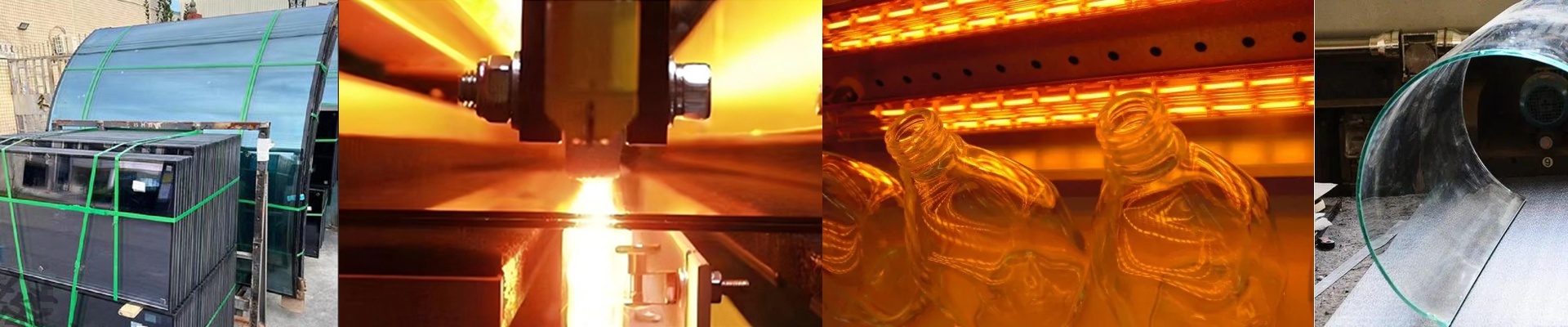
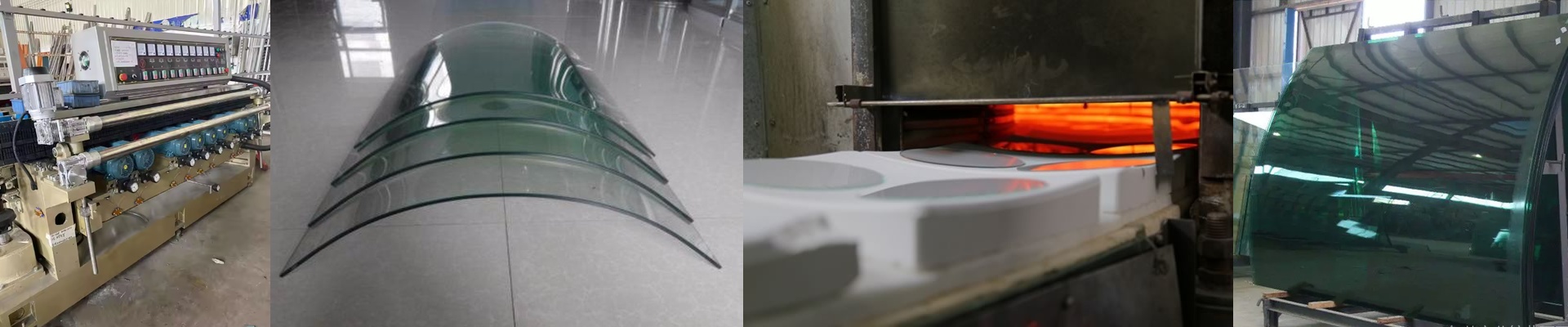
Out on the line, one hot spot during molding doesn’t just kill a piece—it stops the whole shift. Uneven heat builds thermal stress, and that stress shows up as spontaneous fracture, warpage, and optical distortion that turn into rework and scrap. We designed our molding heating element around one straightforward idea: keep the thermal field even across the entire mold face. The heart of it is a quartz-based heating element running on short-wave energy, tuned for fast response and tight control. The emitters are laid out to deliver consistent radiant heat, which cuts down the steep gradients that cause differential expansion. You get predictable temperature profiles across the glass, quicker stabilization, and less time chasing setpoints. In practice, that means fewer rejects from edge cracking and surface waviness, and more consistent output when you’re running tempering and bending back-to-back. Why it works on the floor is simple: uniform heat means fewer interruptions. The element recovers fast after door cycles and holds setpoint without drift, so cycle times stay tight and throughput can climb without pushing the glass. Energy use drops, too—the element heats on demand and holds temperature with minimal overshoot, cutting idle losses and smoothing peak demand. For the lamination and coating drying steps that follow molding, that same evenness translates into better adhesion and more consistent cure. Installation is straightforward, but alignment is the detail that matters. Match the element to the machine’s mounting geometry and verify emissivity and clearance to the mold—misalignment creates localized shadows and uneven heating. Plan proper thermal management at the terminals so you don’t cook them and create a hot spot there. Expect service life in the thousands of hours, and keep spare mounting hardware on hand for quick changeouts during scheduled maintenance.
در خط تولید، یک نقطه داغ در حین قالبگیری تنها باعث از دست رفتن یک قطعه نمیشود بلکه کل شیفت کاری را متوقف میکند. گرمای نامتوازن باعث ایجاد تنش حرارتی میشود که خود را به صورت ترکهای ناگهانی، پیچخوردگی و انحرافات اپتیکی نشان میدهد که منجر به دوبارهکاری و ضایعات میشوند. ما المان حرارتی قالبگیری خود را بر اساس یک ایده ساده طراحی کردیم: حفظ یکنواختی میدان حرارتی در سراسر سطح قالب.
هسته این سیستم یک المان حرارتی مبتنی بر کوارتز است که با انرژی موج کوتاه کار میکند و برای پاسخ سریع و کنترل دقیق تنظیم شده است. تابشدهندهها به گونهای چیده شدهاند که حرارت تابشی یکنواختی ارائه دهند و شیبهای تند دما که عامل انبساط متفاوت هستند را کاهش دهند. این باعث میشود تا پروفایلهای دمایی پیشبینیپذیر در سراسر شیشه حاصل شود، تثبیت دما سریعتر انجام شود و زمان کمتری صرف رسیدن به نقطه تنظیم شود. در عمل این به معنای کاهش ضایعات ناشی از ترکهای لبهای و موجدار شدن سطح و خروجی یکنواختتر در حالت اجرای متوالی عملیات تمپر و خمکاری است.
دلیل کارایی این سیستم در خط تولید ساده است: حرارت یکنواخت به معنای کمتر شدن وقفهها است. المان پس از باز و بسته شدن در سریعاً به حالت اولیه بازمیگردد و نقطه تنظیم را بدون انحراف حفظ میکند، بنابراین زمان سیکلها ثابت میماند و بهرهوری میتواند بدون فشار به شیشه افزایش یابد. مصرف انرژی نیز کاهش پیدا میکند—المان به صورت تقاضامحور گرم میشود و دما را با حداقل افزایش بیش از نقطه تنظیم حفظ میکند که باعث کاهش تلفات در حالت آمادهبهکار و هموارسازی اوج تقاضا میشود. برای مراحل لمیناسیون و خشککردن پوشش که پس از قالبگیری انجام میشوند، همین یکنواختی به چسبندگی بهتر و پخت یکنواختتر منجر میشود.
نصب این المان ساده است، اما تراز کردن آن نکته کلیدی است. المان را با هندسه نصب دستگاه هماهنگ کرده و میزان تابش و فاصله آن تا قالب را کنترل کنید—عدم تراز باعث ایجاد سایههای موضعی و گرمادهی نامتوازن میشود. مدیریت حرارتی مناسب در ترمینالها برنامهریزی کنید تا از آسیب دیدن آنها و ایجاد نقاط داغ جلوگیری شود. عمر مفید المان در حدود هزاران ساعت است و داشتن قطعات یدکی نصب برای تعویض سریع در زمان نگهداری برنامهریزیشده توصیه میشود.