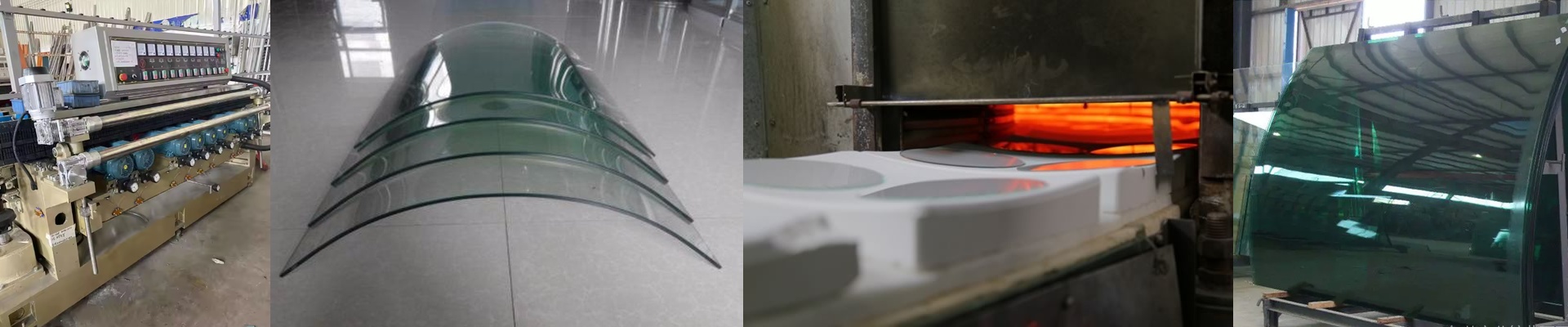

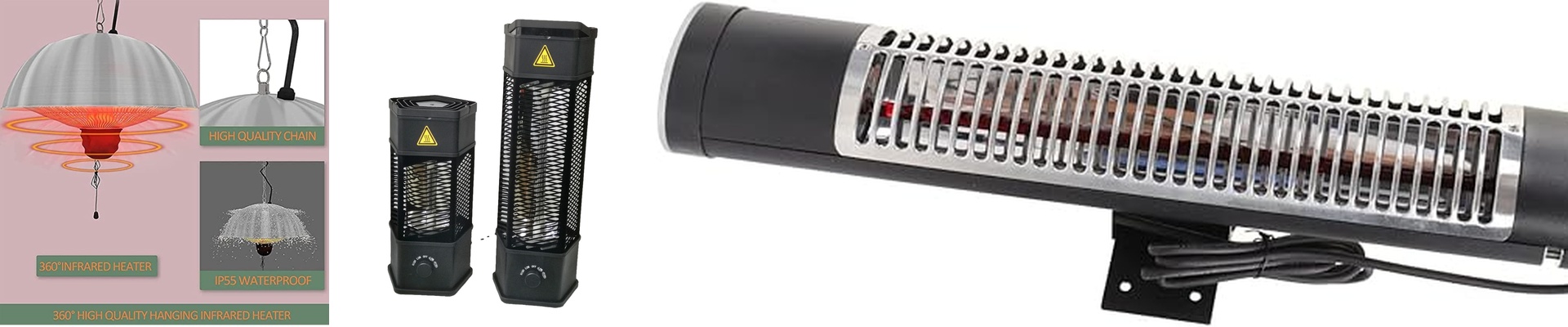
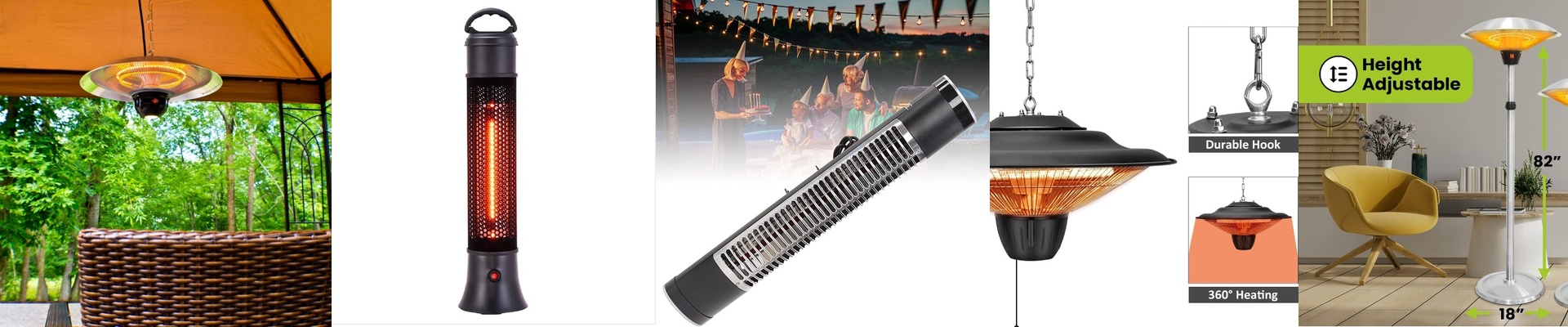
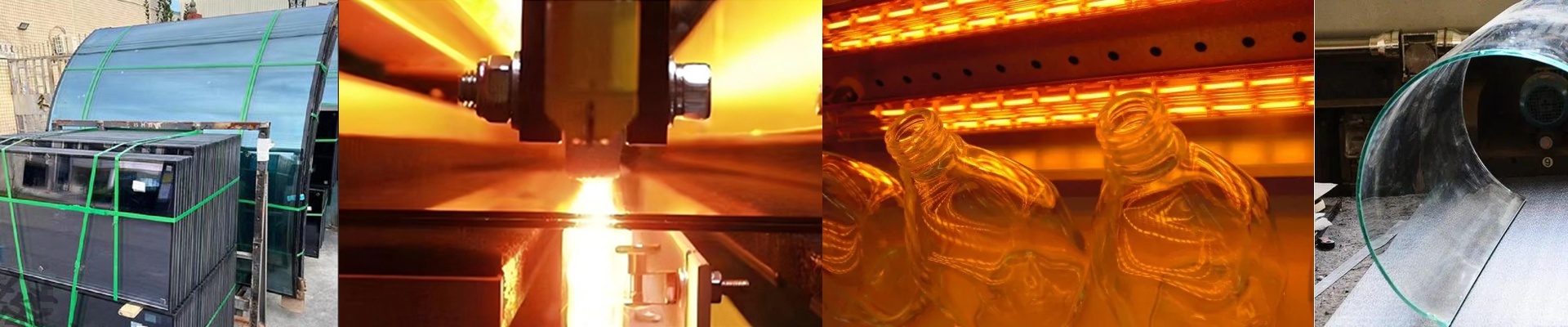
On the line, a hairline crack is a one-way ticket to scrap. It means stopping the tempering furnace, waiting for the lehr to settle back down, and burning minutes the schedule just doesn’t have. We built an infrared lamp for glass crack control to break that cycle. It gives you localized heating for edge repair, pre-heat for bending, and a controlled warm-up before lamination—so the glass moves without pushing defects further. What it is, technically This is short-wave infrared, centered on a quartz emitter and a high-emissivity coating profiled for glass. The wavelength is tuned so the glass surface absorbs efficiently, putting energy right where you need it—into the crack zone—without cooking the bulk. It responds fast: full output in seconds, no warm-up lag. We spec it in standard voltages and power densities matched to OEM module envelopes, with rigid terminals and a compact reflector geometry that keeps the thermal footprint tight. The payoff is a repeatable thermal profile, not a guess. Why it holds up on the line You need even temperature across the crack and along the edge, because uneven heating creates thermal stress and drives the crack deeper. This lamp lays down a stable heat band, so the glass hits the right local temperature quickly and uniformly. In tempering, that means fewer rejects. In bending, fewer edge blowouts. In lamination, more consistent adhesion. Energy use drops because the heat is on target and the duty cycle is short. Uptime improves because it drops in as a direct-fit replacement for standard fixtures—no reworking the conveyor or shielding. The practical details Installation is straightforward, but alignment is where it lives or dies. Set the focal distance to the glass surface and confirm the reflector angle matches the target width; if it’s off, you’ll get hot spots and uneven expansion. Keep the lamp out of cooling airflow that can set up convection gradients. Emitter life runs in the thousands of hours, but on high-duty lines, keep spares on hand. Like any high-temperature component, output decays with cycles, and a scheduled swap beats surprises.