

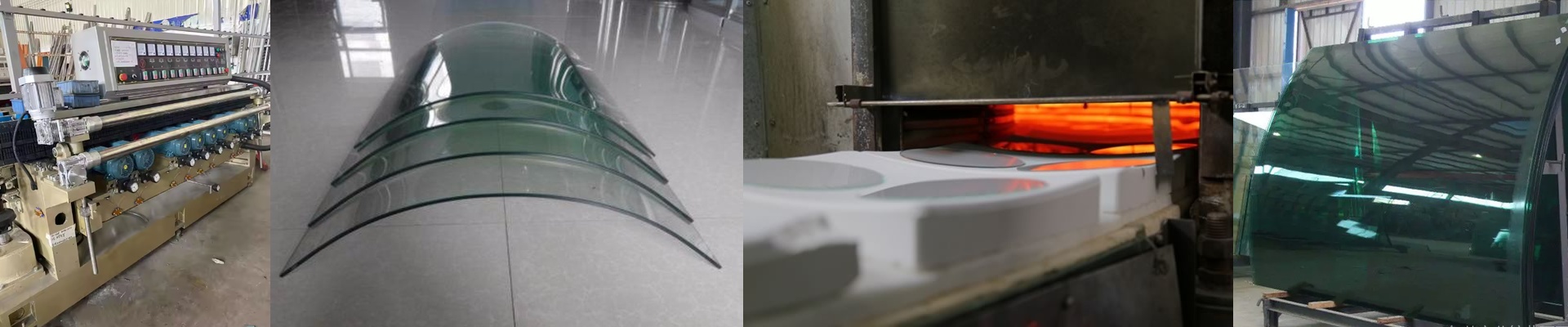
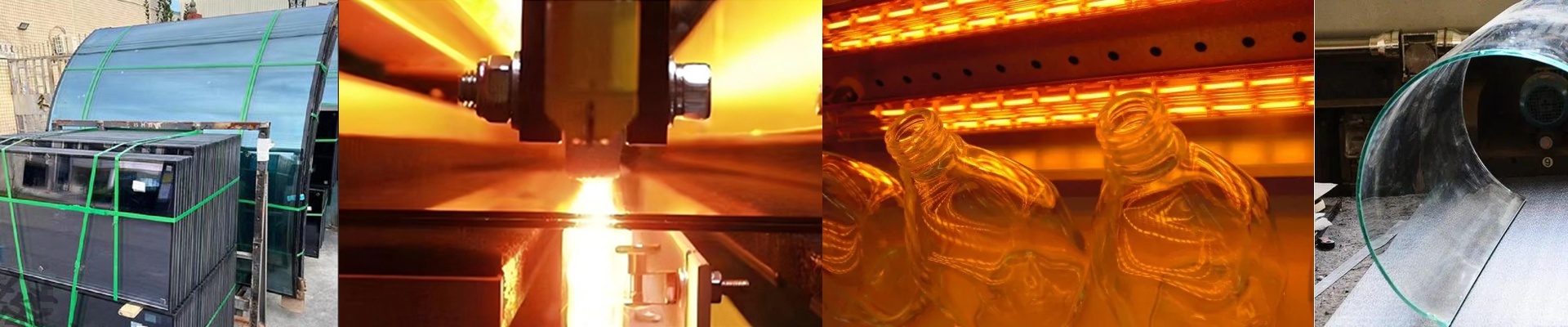
Out on the line, one hot spot during molding doesn’t just kill a piece—it stops the whole shift. Uneven heat builds thermal stress, and that stress shows up as spontaneous fracture, warpage, and optical distortion that turn into rework and scrap. We designed our molding heating element around one straightforward idea: keep the thermal field even across the entire mold face. The heart of it is a quartz-based heating element running on short-wave energy, tuned for fast response and tight control. The emitters are laid out to deliver consistent radiant heat, which cuts down the steep gradients that cause differential expansion. You get predictable temperature profiles across the glass, quicker stabilization, and less time chasing setpoints. In practice, that means fewer rejects from edge cracking and surface waviness, and more consistent output when you’re running tempering and bending back-to-back. Why it works on the floor is simple: uniform heat means fewer interruptions. The element recovers fast after door cycles and holds setpoint without drift, so cycle times stay tight and throughput can climb without pushing the glass. Energy use drops, too—the element heats on demand and holds temperature with minimal overshoot, cutting idle losses and smoothing peak demand. For the lamination and coating drying steps that follow molding, that same evenness translates into better adhesion and more consistent cure. Installation is straightforward, but alignment is the detail that matters. Match the element to the machine’s mounting geometry and verify emissivity and clearance to the mold—misalignment creates localized shadows and uneven heating. Plan proper thermal management at the terminals so you don’t cook them and create a hot spot there. Expect service life in the thousands of hours, and keep spare mounting hardware on hand for quick changeouts during scheduled maintenance.