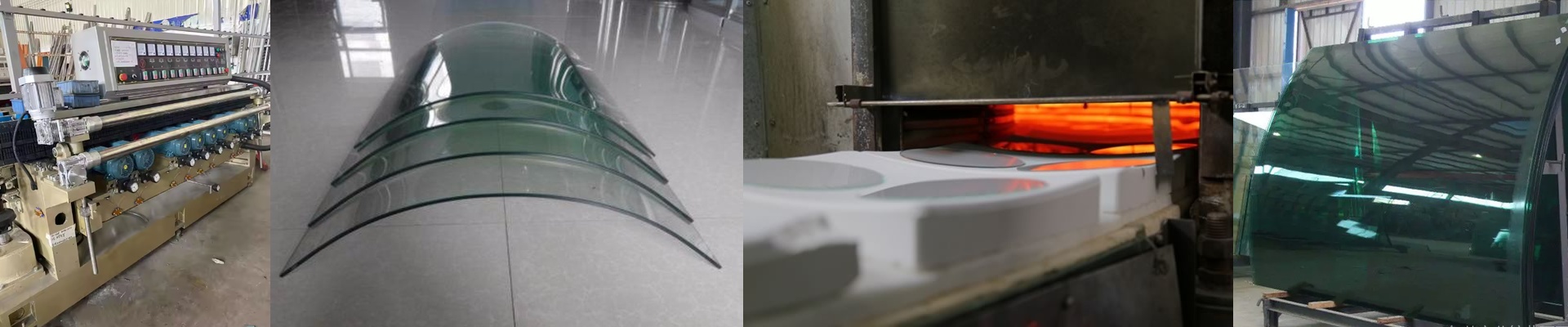

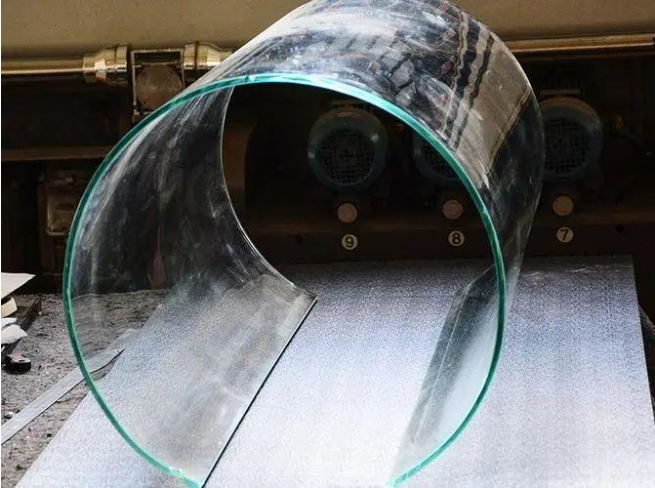
On the tempering line, the furnace fires up fast and the glass moves through on cadence. Then the headaches show up—edge cracks after quench, wavy distortion, or optical marks that fail inspection. Most of the time, the culprit isn’t peak temperature. It’s uneven heat across the glass surface. Tempering is all about controlled stress. If the thermal field is off, the glass doesn’t expand uniformly before quench. You get localized stress peaks, warped geometry, and optical anomalies that scream under polarized light. In production, that translates to scrap, rework, and a furnace that never settles. We built our approach around one objective: keep temperature consistent across the entire load, edge to edge, corner to corner.
What matters under the hood
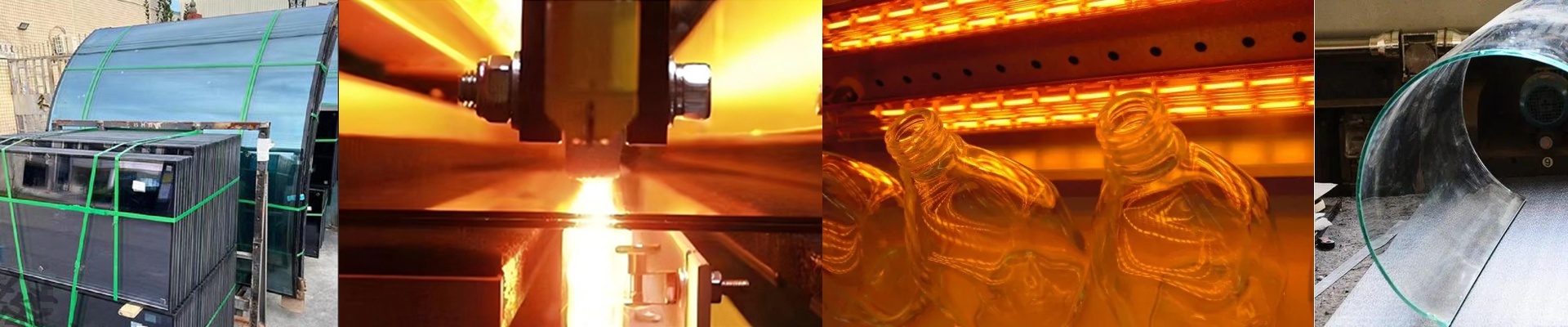
Uniform heating in tempering isn’t about cranking the power. It’s about managing heat flux so the glass hits setpoint with minimal ΔT across the sheet. We use short-wave infrared (SWIR) quartz heating modules with engineered radiation profiles. The emitters deliver high power density and respond quickly, so the furnace tracks setpoint during loading without overshoot. The quartz envelope handles thermal shock and keeps output stable in a glass-processing environment. Key engineering targets:
- Temperature uniformity: ±3°C across the active heating zone, measured on a standard test pane with a calibrated sensor grid.
- Heating rate: ramp to setpoint in seconds, not minutes, to keep line rhythm without soaking the glass.
- Spectral output: matched to glass absorption so energy goes into the glass, not the surroundings.
- Zone control: independent zones allow edge compensation, reducing edge cooling losses and controlling bow.
- Installation envelope: drop-in mounting dimensions for standard tempering furnaces, with standardized connectors and brackets. Power density is tuned to line speed and glass thickness. Thin glass needs faster response and tighter control to avoid surface overheat before the core catches up. Thick glass needs enough penetration to prevent a skin-hot/core-cool condition that causes optical distortion. The control strategy matters as much as the emitter. Closed-loop control on each zone, with emissivity compensation and load-aware tuning, keeps the furnace stable when glass enters, when the load changes, and when line speed shifts.
Why this plays on the line
Tempering lines run on yield and uptime. Uneven heating shows up as failures that cost real money.
Prevents stress fractures and breakage
When heat distribution is uniform, expansion is uniform. The glass enters quench at a consistent temperature, so the compressive layer forms predictably. We’ve run production lots with this setup where edge-crack rejects dropped from thousands per week to single digits—same glass type, same tooling.
Reduces optical distortion and warp
Architectural and automotive tempered glass gets judged by distortion under polarized inspection. Nonuniform heating creates local hot spots and thermal shadows that show up as roller wave, bow, and optical bands. Tight uniformity cuts those artifacts because the sheet sees the same thermal history across the surface.
Keeps the line moving
Fast, repeatable heating means the furnace recovers quickly after loading. You don’t have to throttle back the line to protect quality. We’ve seen tempering lines hold design speed with fewer temperature alarms and less operator intervention.
Lowers energy cost per part
Targeted heating and better thermal coupling mean less wasted heat. In one plant, switching to zone-controlled SWIR modules cut furnace energy per square meter by a measurable margin, while keeping the same temper strength and optical performance.
Drops into existing equipment
You don’t need a new furnace to get uniform heating. Our modules fit standard mounting patterns and connectors, so the changeover fits a maintenance window, not a capital project.
What to watch for
Uniform heating modules are straightforward to install, but real-world conditions deserve attention.
- Clear line of sight to the glass: Infrared heats what it sees. Keep the emitter-to-glass path free of shielding, debris, and reflective surfaces that can create hot spots.
- Reflectors and insulation: Worn reflectors and gaps in insulation degrade uniformity. Replace damaged reflectors and seal leaks before commissioning.
- Control tuning: Zone tuning is application-specific. Expect a short commissioning period to set edge compensation and ramp profiles for your glass mix.
- Emitter life and maintenance: Quartz emitters are tough, but they age. Plan scheduled replacement and keep spares on hand. Output drift over thousands of hours is normal and is handled by closed-loop control. If your tempering line is chasing fewer rejects, steadier quality, and lower energy use, start by fixing the thermal field. Uniform heating isn’t a polish. It’s the foundation of consistent tempering.